




…How one agricultural economist is rewiring Africa’s relationship with the land
Dr. Ikechi Agbugba remembers being the only student in his graduating set at the University of Nigeria Secondary School who applied to study agriculture at the tertiary level. His friends thought it was an odd choice. Many of their parents would have agreed. That social reality — the quiet stigma around farming — became the problem he has spent his career trying to solve.
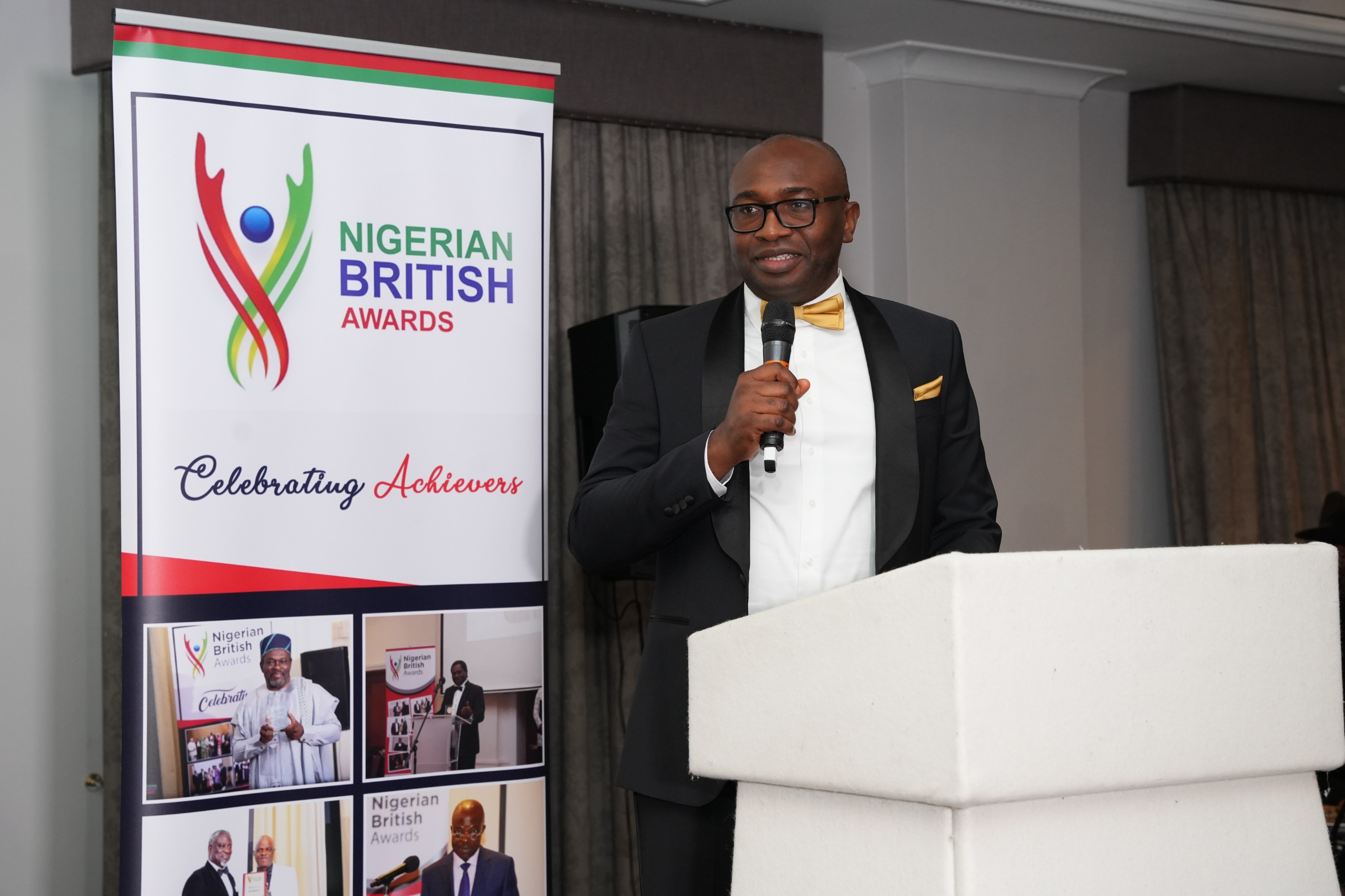
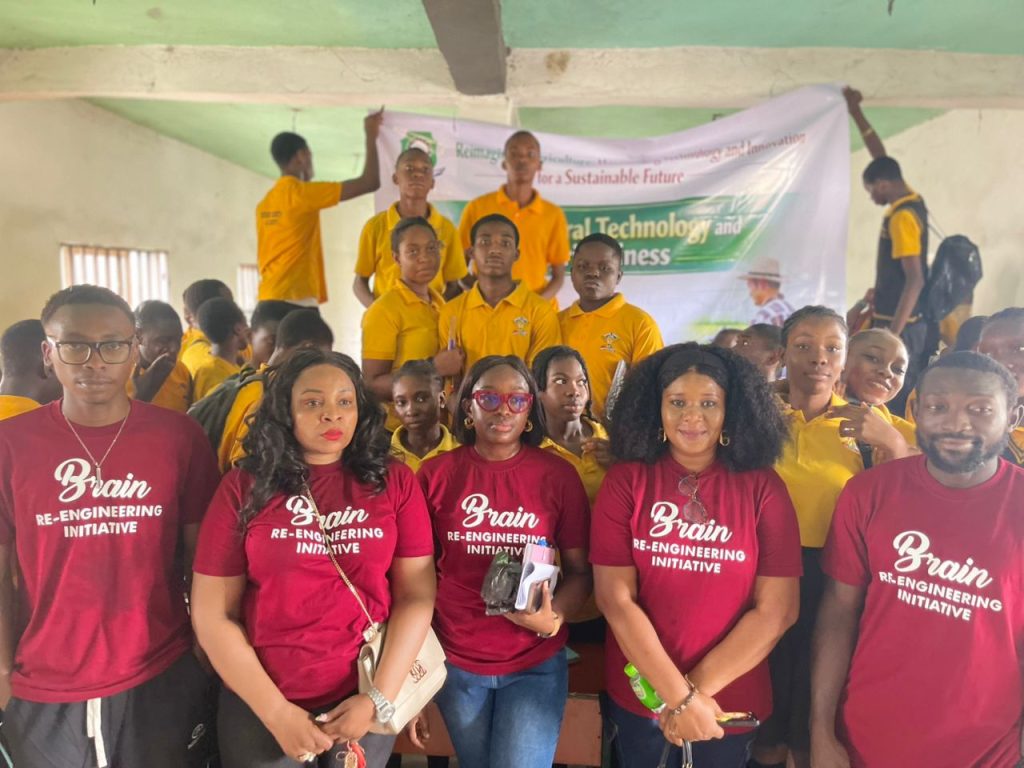
Today, Agbugba is an Associate Professor of Agricultural Marketing at Rivers State University, a postdoctoral fellow trained in South Africa, and the pioneer of the Brain Re-engineering Initiative — a framework registered in the Library of Congress in Washington, D.C., and recognised by the Nigerian British Awards on their 25th Anniversary. His mission: persuade a generation raised on digital ambition that agriculture is not a retreat from modernity, but its next frontier.
The Perception Problem
Agriculture in Nigeria and across much of Africa carries a weight that statistics alone cannot capture. It is perceived, Agbugba says plainly, as “not cool” — a low-status, dirty occupation associated with poverty and physical drudgery. Parents who once farmed out of necessity actively steer their children toward white-collar careers. The result is a sector that employs roughly 65 to 70 percent of Nigeria’s population and contributes between 30 and 40 percent of GDP, yet remains chronically under-invested and struggling to attract new talent.
“Agriculture is often seen as for the older and less-educated population,” Agbugba notes, “making it unappealing to youth looking for modern, technology-driven careers.”
The irony, he argues, is that modern agriculture is precisely that — technology-driven. Drones monitor crop health. AI systems optimise planting cycles. Blockchain platforms secure supply chain transactions. Precision agriculture tools reduce waste and increase yields. The farm of the 21st century looks nothing like the farm of the last generation, and young Africans, Agbugba believes, are simply not being shown that version of it.
A Framework Built From Personal Experience
The Brain Re-engineering Initiative did not emerge from a policy document. It grew from Agbugba’s own life. Raised on the campus of the University of Nigeria, Nsukka, where his parents worked, he was put to work in the family garden by his mother — planting cassava cuttings, sowing maize and okra, experimenting with waterleaf and bitterleaf. When his enthusiasm flagged, his mother introduced reward systems to sustain it. She was, he reflects, his first agricultural science teacher.
That early formation — discipline, hands-on practice, and the framing of farming as responsibility rather than punishment — shaped a conviction he now applies at scale. “If we can empower one youth to start some farming,” he says, “they wouldn’t just feed themselves but feed their community and create jobs for others.”
His academic journey deepened the argument. A postdoctoral fellowship in South Africa and a research trip to Malaysia — where he observed disease-free oil palm trees lining highways from Johor Bahru to Singapore — showed him what strategic agricultural investment looks like when a country commits to it. Malaysia’s economic rise was substantially powered by its palm oil sector, with historical roots tracing back to Nigeria. Indonesia now leads global palm oil production. Africa, with its land and labour resources, has yet to fully mobilise either.
The Five Pillars
The Brain Re-engineering framework rests on five pillars. The first targets perception — using education and media to shift the cultural image of farming from subsistence to sophisticated enterprise. The second builds entrepreneurial capacity, encouraging youth to develop agribusiness ideas across the full value chain, not just at the production stage. The third integrates Fourth Industrial Revolution technologies — AI, drones, blockchain, IoT — to make agriculture technically compelling to a digitally literate generation.

The fourth pillar addresses sustainability, aligning the framework with the UN Sustainable Development Goals and promoting circular economy principles. The fifth advocates social equity in public policy: ensuring that young people, and particularly women, gain equal access to land, funding, and subsidies.
With food demand projected to rise sharply by 2050 and Africa’s youth population expanding faster than any other demographic on earth, the case for rebranding agriculture is not merely philosophical. It is urgent, practical, and, if the Brain Re-engineering Initiative has anything to say about it, it’s already underway.
Nigeria’s Agriculture: A Sector Primed for Transformation
Nigeria’s single most compelling agricultural asset is not its land, its climate, or its commodity diversity — it is its people. With over 70% of the population under 35, Nigeria holds one of the world’s largest reservoirs of young, energetic labour. This demographic dividend, if properly channelled into agribusiness, precision farming, and agri-tech, represents an unmatched productive force that few emerging markets can rival.
That youth population sits atop an agricultural landmass of approximately 84 million hectares of arable land — yet less than half is currently cultivated. The headroom for expansion is enormous. From the fertile floodplains of the Niger Delta to the vast savannahs of the North, Nigeria’s agro-ecological zones support an extraordinary range of crops: cocoa, cassava, sesame, groundnut, soya, sorghum, palm oil, and rice, among dozens of others.
Nigeria is also the world’s largest producer of cassava and a top-five producer of several other staples — a production scale that creates natural leverage for value-added processing, export positioning, and regional food system leadership.
Add to this a domestic consumer base of over 220 million people generating relentless food demand, a federal government with stated commitments to agricultural financing, and a growing cohort of agri-tech startups digitising the value chain from farm to fork — and the investment case becomes hard to dismiss.
Nigeria’s agriculture is finally stirring and in Dr Agbugba’s words, “Farming is not a gamble, it is a game of certainty and fulfilment.”