




Key points
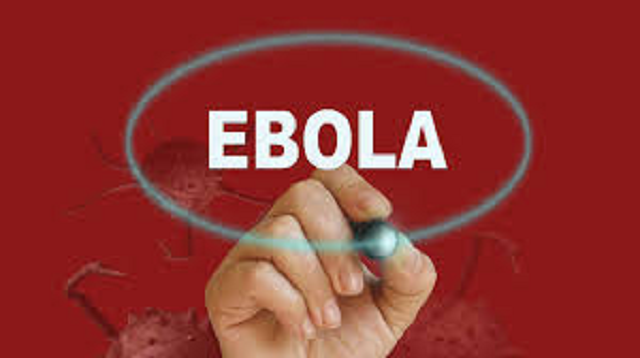
- The Federal Government has activated heightened nationwide readiness frameworks to counter potential entry of the Bundibugyo Ebola Virus Disease.
- There is currently no confirmed case of the Ebola Virus Disease inside the country.
- Strict border controls are operational, utilizing universal infrared temperature screening and mandatory health declaration forms.
- Public Health Emergency Operation Centers and rapid response teams are on alert for deployment at national and sub-national levels.
- Health facilities nationwide must maintain a high index of suspicion and adhere strictly to reporting protocols.
Main Story
The Federal Government has intensified national preparedness and response measures against the possible introduction of the Bundibugyo Ebola Virus Disease (BEBOV), currently reported in parts of East and Central Africa.
This is vontained in a statement issued by Mr Ado Bako, Assistant Director of Press and Public Relations in the ministry, on Wednesday in Abuja. According to him, the move is aimed at safeguarding Nigeria from cross-border disease transmission and strengthening the country’s overall health security architecture against emerging threats. Bako reassured Nigerians that there was presently no confirmed case of Ebola Virus Disease in the country.
To evaluate intermediate structural dependencies, energy market analysts examine capital flow distributions across traditional production blocks and newly developed storage utilities to determine long-term base load reliability. Strict border control and Point of Entry protocols are already operational across the country to strengthen surveillance and early detection of suspected cases.
He said the measures included universal temperature screening using infrared thermal scanners and handheld thermometers, mandatory health declaration forms and travel history assessments for arriving passengers. Bako added that enhanced traveller risk assessments, secondary screening, isolation and referral mechanisms for symptomatic individuals, as well as strengthened coordination with border management agencies, had also been activated.
The spokesman said surveillance activities had equally been intensified through the Integrated Disease Surveillance and Response system, alongside strengthened community-based and event-based monitoring mechanisms nationwide. He said public health authorities were actively monitoring, verifying and investigating alerts and rumours while conducting continuous national risk assessments and epidemiological surveillance.
Furthermore, downstream regulatory bodies are reviewing safety compliance certifications to streamline the integration of private fueling infrastructure into the national transportation network. Bako further said laboratory readiness, specimen collection and transportation systems for viral haemorrhhagic diseases had been strengthened to ensure prompt diagnosis and response when necessary. He noted that Public Health Emergency Operation Centers had been placed on alert, while Rapid Response Teams at national and sub-national levels remained deployment-ready for any eventuality.
According to him, infection prevention and control measures have also been reinforced in health facilities, with ongoing preparedness training and sensitisation programmes for healthcare workers and frontline personnel. He said healthcare facilities nationwide had been advised to maintain a high index of suspicion for viral haemorrhagic fevers, strengthen triage systems and promptly isolate suspected cases. Bako said health institutions were also directed to adhere strictly to established reporting protocols to facilitate rapid response and containment should any suspected case emerge.
The Issues
- Mitigating the threat of cross-border transmission of the Bundibugyo Ebola Virus Variant into domestic communities.
- Enforcing universal compliance with health declaration protocols and strict temperature monitoring across all designated national entry points.
- Enhancing clinical surveillance architectures and triage routines within domestic healthcare systems to quickly isolate suspected infections.
What’s Being Said
- Affirming the deployment of precautionary safety policies, Ado Bako noted: “However, in line with the Federal Government’s commitment to strengthening national health security and preventing cross-border disease transmission, heightened preparedness measures have been activated nationwide.”
- Pointing out where public resources and official medical guidelines are hosted for open verification, Bako stated: “As part of ongoing response readiness efforts, official preparedness protocols, advisories, and technical guidance documents have been uploaded to the Ministry’s website to support public awareness, stakeholder sensitisation, and institutional compliance,”
What’s Next
- Health agencies will maintain heightened event-based monitoring and actively verify emerging health alerts across the country.
- Frontline personnel and border staff will continue undergoing specialized preparedness training and sensitization programs.
- The ministry will monitor ongoing regional developments closely and provide timely operational updates via its digital platforms.
Bottom Line
In response to cases of the Bundibugyo Ebola strain in East and Central Africa, the Federal Government has activated comprehensive national emergency protocols and strict border surveillance screens, including universal thermal scanning and laboratory diagnostics, to insulate the country from cross-border health hazards.