






Key points
- Energy expert Mustapha Habu says Nigeria should adopt lessons from India’s power sector reforms.
- He called for renewable energy to drive industrialisation, local manufacturing and innovation.
- Habu advocated a National Renewable Energy Industrialisation Roadmap with phased development targets.
- He urged stronger private sector participation, technology transfer and investment in local manufacturing.
Main story
Nigeria should adopt long-term reforms that position renewable energy as a catalyst for industrial growth rather than simply a solution to electricity shortages, according to energy expert Mustapha Habu.
Habu, Chief Executive Officer of ENGAUSA Global Tech Hub, said the country’s clean energy transition should be anchored on policies that encourage private investment, local manufacturing, technology transfer and skills development.
He pointed to India’s economic transformation following its 1991 Liberalisation, Privatisation and Globalisation (LPG) reforms as an example of how policy consistency and market-oriented reforms can stimulate investment, expand energy access and strengthen industrial capacity.
According to Habu, Nigeria’s renewable energy strategy should extend beyond household electrification to support manufacturing, innovation and broader economic development.
He said sustained investment in engineering, research and education, alongside closer collaboration among government, industry and academic institutions, would be critical to building a competitive renewable energy sector.
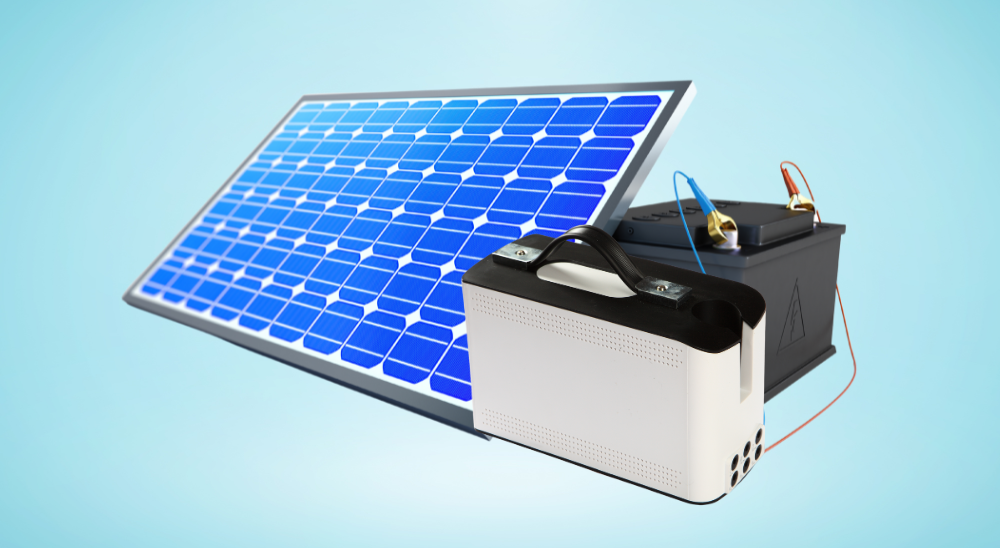
Habu also advocated local production of solar panels, batteries, inverters and charge controllers, arguing that domestic manufacturing would create jobs, reduce pressure on foreign exchange, strengthen technical capacity and deepen industrial supply chains.
To accelerate the transition, he proposed the adoption of a National Renewable Energy Industrialisation Roadmap with clearly defined short-, medium- and long-term goals. He said the roadmap should prioritise expanding renewable energy access and technical skills in the short term, while focusing on local manufacturing, research and technology transfer over the medium term.
In the long run, he said Nigeria should position itself as Africa’s leading hub for renewable energy manufacturing and clean technology exports.
The issues
Nigeria’s renewable energy sector has largely focused on improving electricity access through imported solar products. Expanding local manufacturing and aligning renewable energy with industrial policy could help reduce import dependence, create skilled jobs and strengthen the country’s clean energy value chain.
What’s being said
“We must stop seeing solar energy only as a way to light homes. It should be the backbone of our industrial growth, our manufacturing base and our innovation ecosystem.” — Mustapha Habu, Chief Executive Officer, ENGAUSA Global Tech Hub.
Bottom line
Habu argues that Nigeria’s renewable energy ambitions will deliver greater economic value if they are backed by consistent reforms that promote industrialisation, local manufacturing and private sector investment, rather than focusing solely on electricity access.