Keypoints
- Minister Wale Edun, serving as the G-24 Chairman, called for a “fairer” international financial system during the IMF/World Bank Spring Meetings in Washington D.C.
- He urged global institutions to provide expanded access to affordable financing and improved liquidity for developing nations facing geopolitical and energy disruptions.
- Edun highlighted that Nigeria’s domestic reforms are successfully strengthening economic fundamentals and improving policy credibility.
- The minister advocated for job-rich inclusive growth through private sector participation, infrastructure, and human capital development.
Main Story
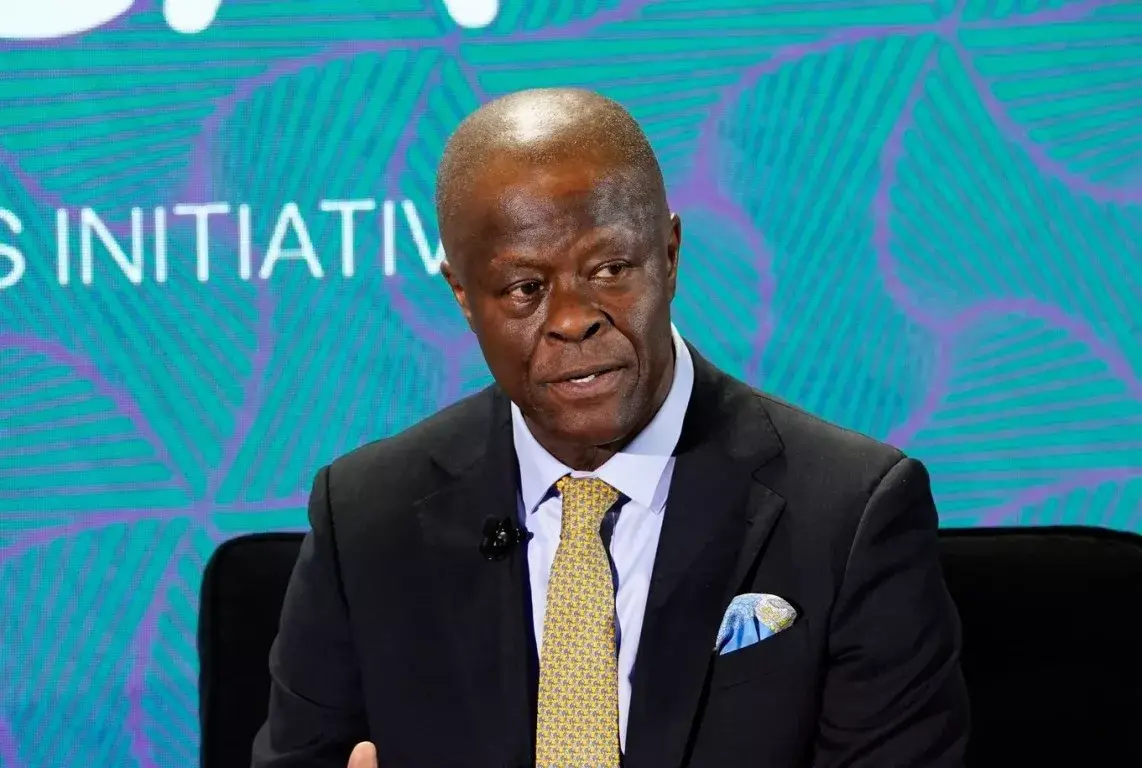
Leading a coalition of developing nations, Finance Minister Wale Edun emphasized that global support must match the scale of current crises.
At the G-24 news conference on Tuesday, he argued that the international financial architecture needs urgent reform to better serve economies struggling with tightening financial conditions and rising inflation.
Edun used Nigeria’s current leadership of the G-24 to push for outcomes that allow developing countries to absorb external shocks without derailing their growth trajectories.
Domestically, Edun noted that coordinated fiscal and monetary policies are already delivering stronger outcomes for Nigeria. He maintained that beyond simple stabilization, the government is focused on long-term resilience through energy investment and financial inclusion.
Despite persistent “global headwinds,” the minister reaffirmed that the administration’s goal remains achieving higher incomes and improved living standards for all Nigerians by fostering an environment conducive to large-scale private investment.
The Issues
The primary challenge for the G-24 is the “liquidity-investment” gap; while developing nations are implementing tough reforms, the cost of the capital needed to support those reforms remains prohibitively high. Authorities must solve the problem of policy credibility, as attracting foreign direct investment (FDI) requires long-term macroeconomic stability that is often threatened by sudden energy price spikes or global trade tensions. Furthermore, there is a structural inclusivity risk, where economic growth might appear in national data but fail to translate into jobs for the poorest citizens. To bridge these gaps, Edun is calling for a global shift toward more “concessional” (low-interest) financing that prioritizes human capital over simple debt servicing.
What’s Being Said
- “Global support must match the scale of crises,” stated Wale Edun, urging a reform of international financial systems.
- Economic delegates at the Spring Meetings noted that Edun’s dual role as Nigeria’s Finance Minister and G-24 Chairman gives him a unique platform to align domestic reforms with global advocacy.
- Investment analysts have observed that Nigeria’s focus on “job-rich inclusive growth” is a necessary pivot to ensure that macroeconomic stability leads to social stability.
- Representatives from developing nations echoed the call for “fairer outcomes,” citing that current international lending rules often penalize the countries most in need of liquidity.
What’s Next
- The G-24 is expected to issue a formal communiqué at the end of the Spring Meetings, detailing specific demands for IMF quota reforms and increased lending power for multilateral banks.
- Nigeria’s economic team is anticipated to hold high-level bilateral talks in Washington to secure further infrastructure and energy investment commitments.
- A report on financial inclusion is likely to be released by the Ministry of Finance later this quarter, showing the progress of digital tools in bringing more Nigerians into the formal economy.
- The IMF and World Bank are under pressure to announce new “resilience and sustainability” funding windows specifically tailored for the energy transition needs of G-24 members.
Bottom Line
Wale Edun is positioning Nigeria as the “voice of the global south.” By linking domestic stability to international fairness, he is arguing that for Nigeria’s reforms to fully succeed, the global financial system must stop being a headwind and start being a tailwind.