










By Boluwatife Oshadiya | March 9, 2026
- Dangote Refinery raises ex-depot petrol price by N100 to N874 per litre due to rising global crude costs.
- NNPCL leverages international traders to supply foreign crude, addressing domestic feedstock shortfalls.
- Retail prices exceed N1,000 per litre in many areas, deepening economic strain amid Middle East tensions.
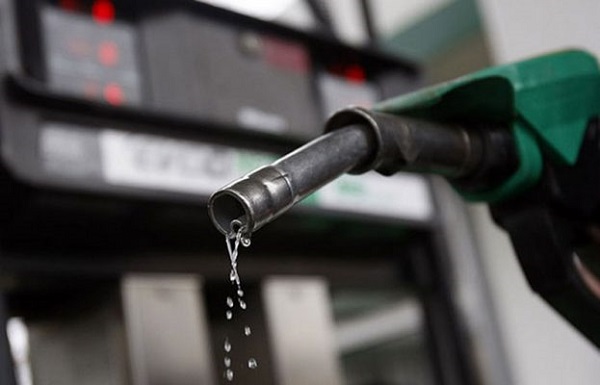
The Dangote Petroleum Refinery has increased its ex-depot price for Premium Motor Spirit (PMS) by N100, pushing the gantry rate from N774 to N874 per litre. This adjustment, the second in recent days, reflects surging global crude oil prices driven by geopolitical conflicts in the Middle East involving the US, Israel, and Iran. The refinery temporarily suspended PMS loading over the March 7-8 weekend to manage costs and avoid selling at a loss amid volatile markets.
NNPCL has stepped in to secure additional crude supply for the $20 billion Lekki-based facility through third-party international traders. The refinery requires 13 to 14 cargoes monthly for full operations but has received only about five from NNPCL. To bridge the gap, NNPCL is sourcing competitive foreign crude, including surging imports from the US—up 161% to 41.13 million barrels in 2025 from 15.79 million in 2024, per Kpler data. This shift comes as Nigerian crude trades at a $3 to $6 premium over Brent benchmarks, with landing costs now at $88 to $91 per barrel, up 33% from $68 when prices were lower.
Retail outlets, including NNPCL stations, have responded by hiking pump prices, with some in the North-West selling at N1,013 per litre and others reaching N1,200. The increases mark the third spike in a week, exacerbating burdens on consumers already grappling with inflation. Brent crude hovered around $85 to $91 per barrel last week, but attacks on Iranian refineries and disruptions in the Strait of Hormuz—handling 20% of global oil—have fueled fears of further escalation. Major producers are cutting output as storage fills, prompting G7 discussions on joint reserve releases.
The refinery claims to have absorbed 20% of the cost surge to soften the impact, but 80% is passed to marketers and end-users. Officials warn that while enhanced NNPCL supply may stabilize operations, immediate price relief for consumers is unlikely given persistent global tensions.
The Issues
The price hikes underscore Nigeria’s reliance on imported crude despite being Africa’s top oil producer, highlighting upstream production shortfalls and regulatory gaps under the Petroleum Industry Act (PIA). Domestic refiners face premiums on local crude, compounding forex pressures and exposing the economy to external shocks like the ongoing Iran conflict.
What’s Being Said
“The high crude cost is compounded by the fact that Nigeria upstream producers have failed to supply crude oil to the refinery as required under the PIA, forcing us to source a substantial portion through international traders who charge an additional premium,” said a Dangote Refinery spokesperson.
“Leveraging our global crude trading network, we are sourcing third-party crude for the refinery at prices that are competitive with prevailing international market rates,” noted a senior NNPCL official.
What’s Next
- G7 finance ministers to discuss potential joint oil reserve releases on March 11, which could ease global prices.
- Dangote Refinery’s next crude import schedules expected by mid-March, potentially stabilizing domestic PMS supply.
- NNPCL’s Monetary Policy Committee meeting on March 20-21 to assess forex impacts on fuel pricing.
The Bottom Line:
Nigeria’s fuel market remains vulnerable to international volatility, but NNPCL’s third-party crude strategy could enhance refinery output and reduce import dependence—provided upstream reforms accelerate to meet PIA mandates.










 by N100, pushing the gantry rate from...)