








KEY POINTS
• Customs processed ₦25.79trn goods, generated ₦2.29trn revenue amid reform push
• PEBEC drives switch from 100% cargo checks to intelligence-led inspection
• CGC, PEBEC DG visit Single Window facility, agree on stronger collaboration
Main Story
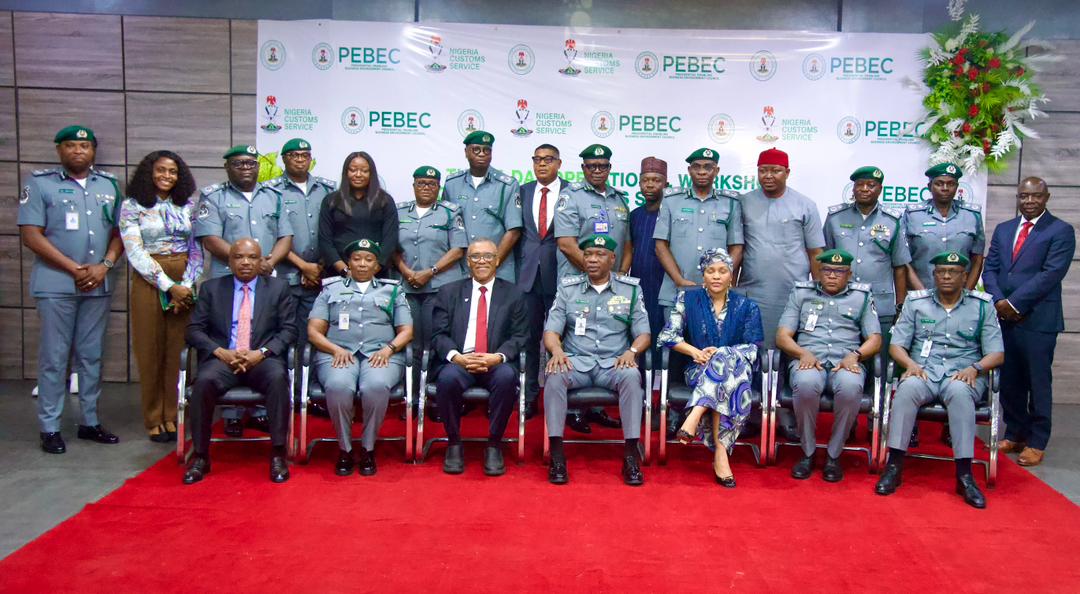
Speaking at the event, the Comptroller-General of Customs (CGC), Adewale Adeniyi, outlined a five-pillar strategy focused on joint inspections, risk-based cargo clearance, optimisation of scanning infrastructure, enforcement of service timelines, and strengthened inter-agency coordination. He stressed that the priority is no longer policy design but consistent execution.
“This workshop is about closing the distance between knowing and doing. The Service must now focus on translating established best practices into consistent operational outcomes”, he said.
Adeniyi emphasised the transition to intelligence-led cargo processing, noting that investments in digital platforms and scanning systems must translate into faster and more transparent clearance processes for traders.
To ensure implementation, the CGC disclosed that the workshop would produce a reform execution matrix to be closely monitored, while urging officers to uphold professionalism at all times.
“The reform implementation matrix will not end up in a filing cabinet. It will be actively monitored, and I will personally follow the progress reports. The professionalism, commitment, and integrity that this workshop asks of are qualities you need to acquire. I am therefore, asking you to deploy them consistently, not selectively”, he stated.
The Issues
The Director-General of PEBEC, Zara Mustapha-Audu, emphasised that Nigeria must urgently transition from blanket cargo inspections to intelligence-driven systems.
She cited global data showing that trade facilitation reforms can reduce costs by up to 14 per cent, while each additional day of delay at ports reduces trade volumes by 1 per cent.
“We must move from inspecting everything to inspecting the right things,” she said, adding that efficient border operations are central to economic growth and investor confidence.
Mustapha-Audu described the workshop as a “working session for action,” stressing that reforms must move from diagnosis to implementation.
What’s Being Said
In her welcome address, the Deputy Comptroller-General, Tariff and Trade, Caroline Niagwan, said Customs has evolved beyond revenue collection to become a key driver of trade facilitation and global supply chain efficiency.
She stressed that efficiency must be anchored on transparency, accountability, and professionalism, urging officers to translate workshop outcomes into measurable operational improvements.
What’s Next
The workshop is expected to produce a time-bound reform implementation plan covering immediate, medium, and long-term actions, including improvements in joint inspections, scanning technology deployment, and inter-agency coordination.
Adeniyi maintained that the focus would be on execution, with clearly assigned responsibilities and measurable outcomes.
Bottom Line
In a significant follow-up to the workshop, the Comptroller-General and the PEBEC Director-General visited the National Single Window (NSW) facility, where they met with the Chairman of the Nigeria Revenue Service, Zacch Adedeji.
The meeting reinforced the role of the Single Window platform in integrating trade processes, reducing duplication, and improving transparency across agencies.
Both parties agreed to deepen collaboration to enhance operational efficiency, strengthen compliance, and accelerate cargo clearance processes, signalling a unified commitment to translating reform discussions into tangible improvements across Nigeria’s ports.







, Adewale Adeniyi, outlined a five-pillar strategy focused on joint ...)