Keypoints
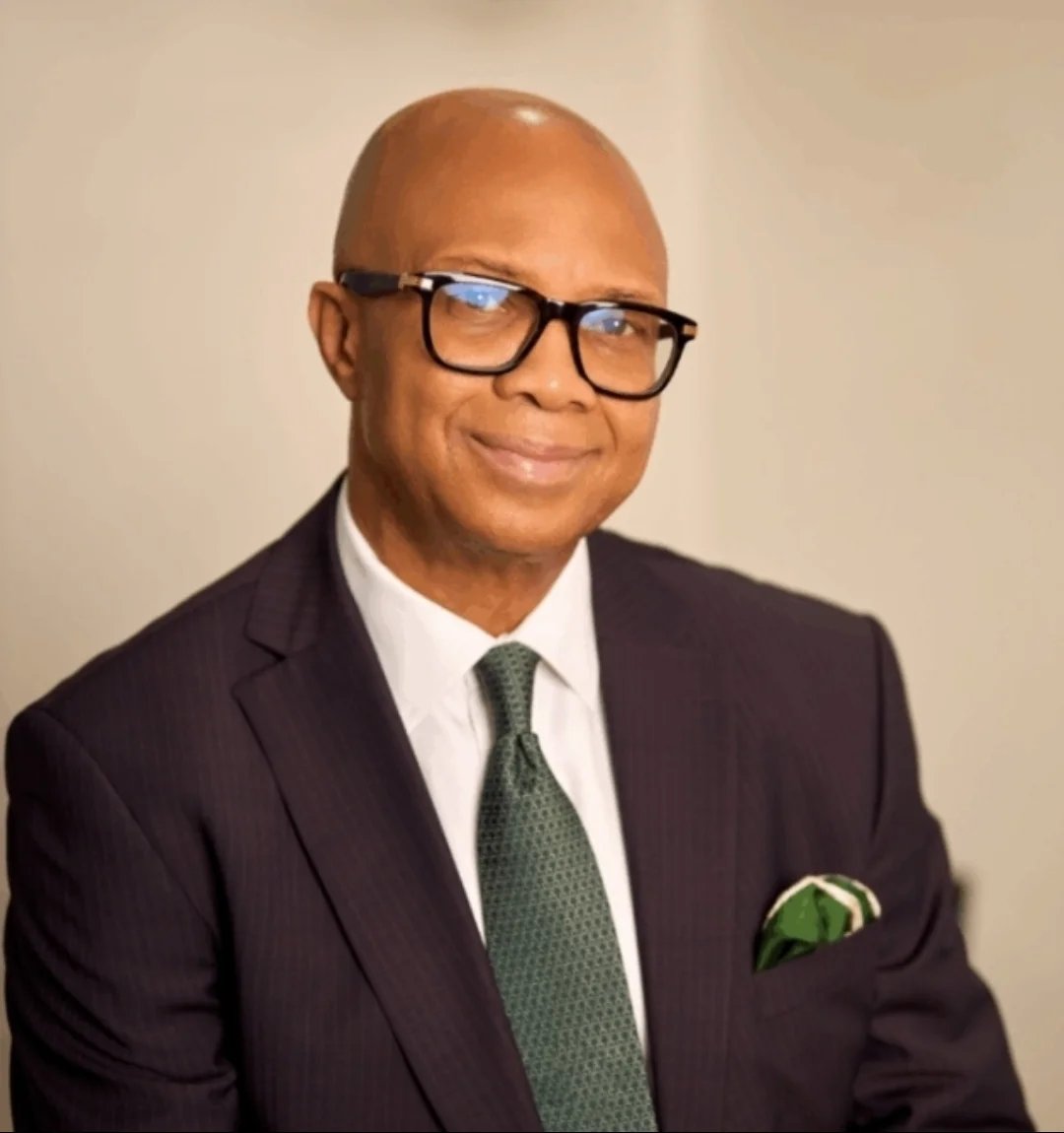
- Ben Akabueze, former Director-General of the Budget Office, revealed that over 56,000 government projects are currently uncompleted across Nigeria.
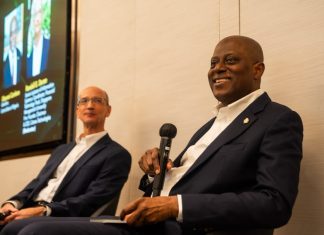
- Speaking at a policy dialogue in Abuja on Monday, April 20, 2026, he noted that the country’s primary issue is weak implementation rather than a lack of planning.
- Factors contributing to this backlog include revenue shortfalls, rising debt service obligations, procurement delays, and “policy discontinuity” between administrations.
- Akabueze proposed a shift to results-based budgeting and the enactment of an Organic Budget Law to legally tie spending to measurable development outcomes.
- While acknowledging infrastructure growth in the 2026 budget, he cautioned that over-reliance on oil revenue projections could hinder project completion.
Main Story
Nigeria is currently grappling with a “delivery crisis” that has left tens of thousands of public works in limbo. At a National Assembly dialogue on Monday, Ben Akabueze, a veteran of Nigeria’s budget office, raised the alarm over 56,000 projects that have been started but never finished.
He argued that Nigeria operates in a “multi-layered” system where various agencies work in silos, leading to massive spending that fails to improve the lives of citizens.
The former Budget DG highlighted that sustained economic growth is impossible when every new administration abandons the projects of its predecessor. To stop this cycle of waste, Akabueze is advocating for a fundamental shift in how Nigeria handles its money.
He suggests moving away from “input-focused” budgeting where the focus is simply on how much money is given out to “results-based” budgeting, where every Naira is tied to a specific, verifiable outcome. This reform, backed by a proposed Organic Budget Law, would make it a legal requirement for plans to be funded and completed regardless of who is in power.
The Issues
The primary challenge is the revenue-debt gap; with a significant portion of national income going toward debt servicing, the funds available for finishing these 56,000 projects are severely limited. Authorities must solve the problem of institutional coordination, as the current “silo” approach means the Ministry of Works might be building a road that the Ministry of Transport hasn’t planned for in its regional strategy. Furthermore, there is a procurement-inefficiency risk; lengthy delays in awarding contracts often mean that by the time work starts, the cost of materials has skyrocketed due to inflation, leading to more abandoned sites. To succeed, Nigeria must digitize its public financial management to allow for real-time monitoring of every project site in the country.
What’s Being Said
- We are not short of ideas or frameworks; the real task is translating plans into funded, implemented and completed projects, stated Ben Akabueze.
- Senator Atiku Bagudu, Minister of Budget and Economic Planning, noted that bold reforms in the last three years have been “courageous but difficult choices” for the economy.
- Civil society groups like Tracka have echoed Akabueze’s concerns, noting that billions are wasted in states like Taraba and Abia where projects are “poorly delivered or abandoned.”
- The Ministry of Finance recently clarified that despite the high number of uncompleted works, capital spending in 2024 and 2025 reached nearly 80% performance, signaling that “execution continues” under strain.
What’s Next
- The National Assembly is expected to begin deliberations on an Organic Budget Law to provide a stronger legal framework for the budgeting process.
- A massive audit of the 56,000 projects is anticipated to identify which can be fast-tracked and which are no longer viable for completion.
- For the remainder of 2026, the government is likely to prioritize “completion over new starts,” focusing limited revenue on finishing existing infrastructure.
- Increased legislative oversight is expected, with committees planning more frequent “on-site” inspections to ensure that released funds match the work done.
Bottom Line
Nigeria has plenty of maps, but it is struggling to reach the destination. By calling for an Organic Budget Law and a focus on measurable results, Akabueze is pushing for a future where a “government project” actually means a finished road, a working school, or a powered hospital, rather than just a line in a book