





Key points
- Adamawa has commenced construction of hybrid solar mini-grid projects in Michika, Madagali and Bazza.
- Gov. Ahmadu Fintiri says the projects will expand electricity access and support economic recovery in insurgency-affected communities.
- The Rural Electrification Agency has approved 40 mini-grid projects across the state.
- Government has also ordered an assessment of electricity distribution infrastructure from Uba to Madagali for rehabilitation.
Main story
The Adamawa State Government has commenced the construction of hybrid solar mini-grid projects in Michika, Madagali and Bazza as part of efforts to expand access to reliable electricity and accelerate economic recovery in communities affected by insurgency.
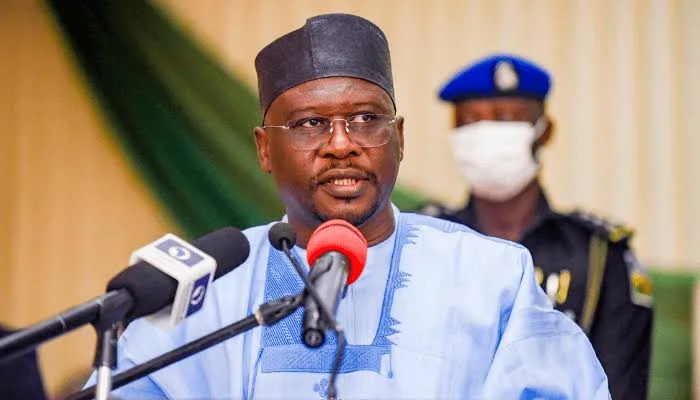
Gov. Ahmadu Fintiri flagged off the projects on Tuesday, describing the initiative as a major step towards ending energy poverty and delivering sustainable power to underserved communities across the state.
He said the hybrid systems, which combine solar power, battery storage and backup generation, are designed to provide stable electricity throughout the day while supporting commercial and productive activities.
Fintiri recalled that when his administration assumed office in 2019, Michika and neighbouring communities were still rebuilding after years of insurgency that destroyed critical infrastructure, including electricity facilities.
He said the projects emerged from engagements with investors during the Rural Electrification Agency’s Investor Roundtable in 2025, which attracted private sector interest in renewable energy investments across Adamawa.
According to the governor, the Rural Electrification Agency (REA) has approved 40 mini-grid projects for deployment across the state.
The current phase includes a 3.2-megawatt hybrid solar mini-grid for Michika, a 665-kilowatt mini-grid for Bazza and a 1.8-megawatt hybrid solar mini-grid for Madagali.
Fintiri said the three projects would be developed by A4 and T, while additional mini-grid projects planned for Shuwa, Gulak and neighbouring communities would be implemented by Startimes Nigeria Limited.
The governor also directed the Ministry of Works and Energy Development to assess the Yola Electricity Distribution Company’s network from Uba to Madagali to determine the rehabilitation and upgrades required to strengthen electricity distribution in the affected areas.
He expressed confidence that improved electricity supply would stimulate agro-processing, welding, fabrication, ICT services, small-scale manufacturing and other cottage industries, creating new opportunities for businesses and residents.
The issues
Many communities in northern Adamawa continue to face limited electricity access after years of insurgency damaged power infrastructure and disrupted economic activities. Hybrid solar mini-grids are increasingly being deployed as decentralised energy solutions capable of providing reliable electricity to underserved areas while supporting local businesses, public services and post-conflict economic recovery.
What’s being said
“The initiative is a major milestone in providing reliable electricity and stimulating economic activities across the benefiting communities.” — Ahmadu Fintiri, Governor of Adamawa State
“The hybrid system combines solar energy, battery storage and backup generation to ensure a stable electricity supply throughout the day.” — Ahmadu Fintiri
What’s next
Construction will proceed on the mini-grid projects in Michika, Madagali and Bazza, while the state government assesses the electricity distribution network from Uba to Madagali ahead of planned rehabilitation. Additional mini-grid projects are also expected to commence in Shuwa, Gulak and neighbouring communities.
Bottom line
Adamawa is expanding renewable energy infrastructure through hybrid solar mini-grids to restore reliable electricity in insurgency-affected communities, support local businesses and drive long-term economic recovery.