






Key points
- ActionAid empowers over 135,000 farmers and youths with climate-resilient farming skills.
- Women and young farmers gain improved access to land through community partnerships.
- Stakeholders call for reforms to address land access barriers and boost food security.
Main story
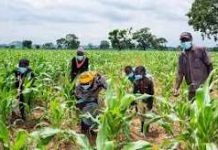
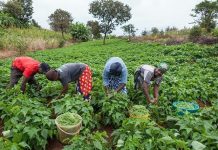
ActionAid Nigeria has trained over 135,000 smallholder farmers and youths, mostly women, in climate-resilient agricultural practices across several states, as part of efforts to strengthen sustainable food systems.
The Country Director, Andrew Mamedu, disclosed this at a national town hall meeting in Abuja focused on land access and agroecology.
According to him, the intervention was implemented under the Strategic Partnerships for Agroecology and Climate Justice (SPAC) project, aimed at promoting agroecology and enhancing inclusive agricultural systems.
Mamedu stressed that land remains central to sustainable livelihoods, resilience, and agroecological practices, noting that it goes beyond being just a productive asset.
He highlighted progress in improving land access for farmers through collaboration with communities, traditional institutions, and government bodies. These include multiple land allocations across states such as Ondo, Delta, and Jigawa for cooperative farming and agroecology projects.
The issues
Despite progress, stakeholders identified persistent structural barriers limiting equitable land access, particularly for women and young farmers.
Challenges include competing land use for residential and commercial purposes, inadequate infrastructure, long distances to farmlands, and bureaucratic bottlenecks under the Land Use Act.
Experts also noted that weak policy implementation and socio-cultural constraints continue to restrict inclusive agricultural development.
What’s being said
Mamedu said the initiative demonstrates the impact of collaboration but warned that systemic challenges remain.
“These realities show that land access and control are structural issues requiring deliberate policy and institutional reforms,” he said.
He added that without secure land tenure, farmers would struggle to adopt sustainable practices and achieve stable incomes.
Also speaking, Permanent Secretary, Federal Ministry of Agriculture and Food Security, Marcus Ogunbiyi, said land access remains a major constraint to agricultural productivity.
Represented by Mr Tanimu Ibrahim, he noted that legal, structural, and socio-cultural barriers continue to limit opportunities for women and youth.
He described agroecology as a viable pathway for balancing productivity, environmental sustainability, and social inclusion.
What’s next
Stakeholders are expected to push for reforms to the Land Use Act and explore alternative frameworks that promote inclusive and gender-responsive land governance.
There are also calls for increased investment in agroecology and stronger institutional support to improve farmers’ access to land and resources.
Bottom line
While ActionAid’s intervention is expanding climate-smart farming and land access, experts say meaningful agricultural transformation in Nigeria will depend on policy reforms that ensure equitable land ownership and support sustainable practices.