



Keypoints
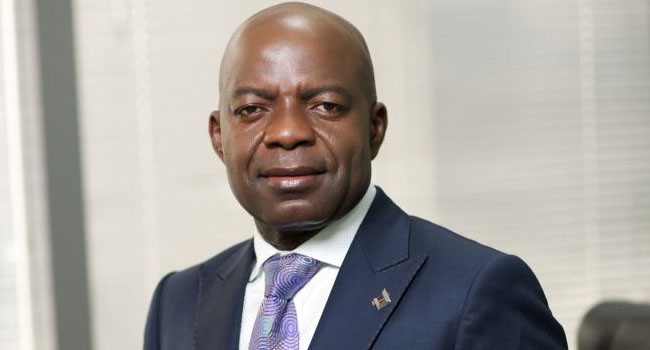
- Governor Alex Otti has confirmed Abia State’s readiness to pay a $200,000 counterpart fund to access the newly approved World Bank Health Security Programme.
- Abia is one of the few states selected to benefit from a $250 million World Bank grant designed to strengthen health security across West and Central Africa.
- The World Bank team praised Abia for allocating 95% of its budget to “soft capital” including health, education, infrastructure, and social protection.
- To improve education, the state has recruited 5,300 teachers with plans for 4,000 more and increased the teacher retirement age to 65.
Main Story
The Abia State Government has cleared the path for a major international health partnership by committing to the required counterpart funding for the World Bank’s HOPE and Health Security programmes.
During a meeting in Isiala Ngwa South on Thursday, Governor Alex Otti assured a delegation of Senior Health Specialists that the state would fulfill all financial and administrative obligations. The visit by the World Bank team was a mission to assess public financial management and the quality of basic service delivery in the state.
The delegation, led by Dr. Okunola Olamide, noted that Abia was chosen as a model state due to its consistent prioritization of human capital development.
Specifically, for three consecutive years, the state has directed its highest budgetary allocations toward the health and education sectors. World Bank representatives highlighted that Abia is now part of an elite group of Nigerian states eligible for the $250 million regional health security grant which is aimed at preventing and responding to public health emergencies.
The Issues
The primary challenge identified by Governor Otti is the lack of public confidence in government health institutions despite the presence of retrofitted and well-equipped facilities. He expressed concern that many residents still prefer traditional caregivers over modern primary healthcare centers. The government must now solve the problem of behavioral reorientation to ensure that the heavy investments in physical infrastructure translate into actual usage by the local population. Additionally, maintaining the high level of recruitment and increased retirement ages for teachers and health workers will require sustained fiscal discipline as the state scales its operations.
What’s Being Said
- “We see health and education as top priorities, and all the retrofitted primary healthcare centres are equipped in line with minimum acceptable standards,” stated Governor Alex Otti.
- Dr. Okunola Olamide of the World Bank described Abia as a “model for other states” due to its high level of investment in critical sectors.
- Dr. Chijioke Okoro, another Senior Health Specialist, noted that only five to six states in Nigeria have a budget structure so favorable to human capital development.
- Odinakachi Eme, Senior Special Assistant to the Governor, explained that the mission aimed to identify and remove bottlenecks in “planning, budgeting, and budget execution” to improve service delivery.
What’s Next
- Fund Disbursement Once the $200,000 counterpart fund is processed, the state is expected to begin receiving disbursements from the $250 million regional grant.
- Teacher Recruitment The state will proceed with the employment of an additional 4,000 teachers to further strengthen the education sector.
- Public Reorientation A major public health campaign is likely to follow to encourage citizens to utilize the newly retrofitted primary healthcare centers rather than traditional alternatives.
Bottom Line By committing to international standards and counterpart funding, Abia has positioned itself as a regional leader in health security. The success of this $250 million partnership will depend on whether the state can successfully rebuild public trust in its institutions.