








By Annette Ikponmwonba | November 25th, 2026
Key Points
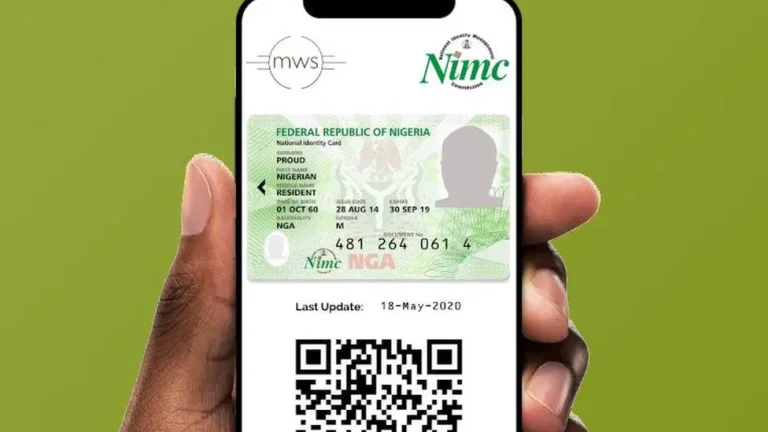
· The Federal Government plans to enforce NIN requirements for domestic air travel from January 1, 2027, under the new Verified Passenger Access System (VPASS)
· VPASS is a biometric facial recognition platform designed to verify passengers on domestic flights
· Passengers have raised concerns about data privacy, freedom of movement and exclusion of travellers without a NIN, including foreign nationals and children with foreign citizenship
· Aviation Minister Festus Keyamo says the system will curb identity fraud, unauthorised entry into departure lounges, ticketing irregularities and manifest errors
· The system will first be introduced at the Lagos airport before rollout to other domestic airports
· Airlines must complete integration with the platform by December 31, 2026
Main Story
The Federal Government’s plan to enforce National Identification Number requirements for domestic air travel from January 1, 2027, has sparked debate, with travellers weighing security benefits against practicality and passenger rights. The requirement follows the introduction of the Verified Passenger Access System, a biometric facial recognition platform designed to verify passengers travelling on domestic flights.
At the launch of the platform, Aviation and Aerospace Development Minister Festus Keyamo ordered airlines to comply, warning that from January 1, 2027, operators must integrate the system before boarding passengers on scheduled domestic flights. He instructed the Nigerian Civil Aviation Authority to ensure that all airlines complete their integration by December 31, 2026.
For many Nigerians, domestic air travel is already costly, and the proposed requirement has heightened concerns. Some passengers interviewed at the Lagos airport on Monday dismissed the policy as unnecessary, arguing that mandatory NIN verification would hardly address the country’s wider security challenges.
The Issues
Passengers questioned why they must submit additional personal details to travel within the country when other recognised forms of identification could serve the same purpose. Mrs Juliet Adeoye, a mother of three, raised the issue of children who hold foreign citizenship. “Two of my children are citizens of another country. Are you saying that from January, local flights won’t be open to them because they don’t have NIN? This is just like saying a social security number in the UK is required to book a domestic flight. I have been wondering where this is coming from since I read the news, but I strongly hope they will have a rethink before the set date,” she said.
Mr Kelvin Jones accepted the security objective but questioned making NIN the mandatory document. “What the Nigerian government is saying, in essence, is that you cannot fly locally without being a Nigerian. That will not work. No, over what? I believe that when they get our feedback, they will tweak the idea,” he said.
On social media, users asked how foreign nationals would be verified and how personal data would be protected. X user Adesina Adegbite asked: “How will foreigners travelling through domestic airports pass through the NIN verification system? What means of identification would be used to verify them?” Ademax said identity fraud and ticketing abuses could be tackled without exposing NINs to hackers, and another user, Hon Jay, said making NIN the sole requirement “unfairly excludes Nigerians with other valid means of identification. Security should not become a barrier to citizens’ freedom of movement.”
What’s Being Said
Keyamo said VPASS was introduced to curb identity fraud, prevent unauthorised entry into airport departure lounges, tackle ticketing irregularities and ensure the accuracy of passenger manifests. He cited bulk ticket purchases resold to other travellers under different identities as one malpractice it targets, and said linking passenger details to NINs would help verify identities, enhance accountability and reinforce security.
He said the system will be restricted to domestic flights, since international passenger verification is handled under a separate framework involving the Ministry of Interior and other agencies. The Federal Executive Council approved the project, which is being executed through a public-private partnership, with the Federal Airports Authority of Nigeria overseeing the equipment and operations. He described it as part of a plan to make Nigerian airports smart facilities, in line with President Tinubu’s directive, The spokesperson of the Airlines Association of Nigeria, Prof Obiora Okonkwo, declined to comment, saying, “We have no reaction.”
What’s Next
Airlines have until December 31, 2026, to integrate with VPASS, and the NIN requirement takes effect on January 1, 2027, starting at the Lagos airport. Public debate is expected to continue as the date approaches, Attention will turn to whether the government clarifies how foreign nationals, dual citizens and children without a NIN will be handled, and whether it adjusts the policy after public feedback.
Bottom Line
The government sees VPASS and mandatory NIN as a way to close security and ticketing loopholes, but unanswered questions about foreigners, data protection and exclusion mean it must reassure travellers before January 1 or risk making domestic flying harder.