








By Emmanuella Opara | October 29th 2026
KEY POINTS
- Nigeria Labour Congress (NLC) President Joe Ajaero has questioned the Trade Union Congress (TUC)’s rejection of the Federal Government’s proposed N70,000 transport allowance for workers.
- Ajaero said the NLC negotiated independently and that the TUC had distanced itself from the process.
- The TUC rejected the proposal, arguing that temporary wage awards would not adequately address workers’ economic hardship.
- The disagreement also involves the timing of negotiations over a new minimum wage and outstanding government commitments to workers.
MAIN STORY
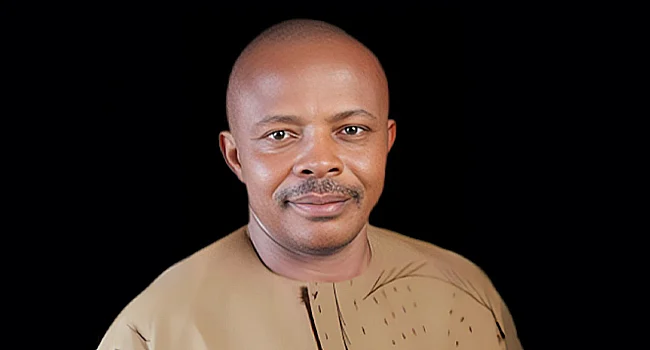
President of the Nigeria Labour Congress (NLC), Joe Ajaero, has criticised the Trade Union Congress (TUC) for rejecting the Federal Government’s proposed N70,000 transport allowance, arguing that the union was not involved in the negotiations that produced the agreement.
Ajaero said the NLC had made it clear from the outset that it was negotiating separately with the government, making the TUC’s opposition to the outcome surprising.
Speaking on Channels Television’s Morning Brief on Thursday, he maintained that the TUC should not oppose an arrangement it had neither negotiated nor requested.
“Why is TUC challenging what was gotten for the workers when we stated clearly that NLC was acting alone?” Joe Ajaero, president of the Nigeria Labour Congress, asked.
“The agreement was not signed by TUC, and you don’t kick against something that you didn’t negotiate, you never asked for,” he added.
Ajaero said he would have preferred the TUC to seek a higher allowance, which could have provided an opportunity for both labour centres and the government to work towards a common position.
“I would have preferred a situation whereby if NLC was asking for one naira, TUC would be asking for 10 naira, and probably the government would harmonise it,” he said.
He traced the disagreement to differences over when negotiations on the minimum wage should begin. According to Ajaero, the dispute followed comments by the TUC president that the minimum wage would be due for negotiation in August 2027.
The NLC disagreed with that position, insisting it was inconsistent with the law, and proceeded with its own engagement with the Federal Government.
Ajaero said the TUC had also distanced itself from the process after reports emerged that both labour centres were meeting with the government.
“When we started the first meeting, the media reported that NLC and TUC had a meeting. They threatened us and said they are not part of it,” he said.
He added that the NLC subsequently issued a statement clarifying that it was acting independently.
“We came out with a statement that NLC is on this alone; we are not with TUC. So I would be surprised why TUC would be challenging what was gotten for the workers,” Ajaero said.
On calls for a salary increase, the NLC president argued that wage adjustments require a formal process involving the relevant stakeholders rather than a unilateral decision by the government.
“Does the government dash wage increase? There must be a process put in place,” he said.
He noted that the TUC had called for negotiations to begin in August 2027, while the NLC had advocated for the relevant committee to commence work immediately.
The TUC, however, has maintained that a temporary wage award is insufficient to address the economic hardship facing Nigerian workers and has demanded an immediate salary increase.
In a statement issued on Wednesday, TUC President Festus Osifo and Secretary-General N.A. Toro also accused the Federal Government of failing to fulfil its 2023 wage award obligations to some workers.
The congress further alleged that the government had neglected a seven-month-old agreement on adjustments to the Consolidated Health Salary Structure for health workers under the Joint Health Sector Unions.
THE ISSUES
The disagreement highlights divisions between Nigeria’s two major labour centres over the Federal Government’s proposed transport allowance and the approach to wage negotiations.
While the NLC argues that the TUC should not reject an agreement it did not negotiate, the TUC maintains that temporary wage awards are inadequate to address the financial pressures facing workers.
The dispute also raises questions about coordination between labour unions in negotiations with the government and the timing of discussions on wage adjustments.
The TUC’s allegations over outstanding wage awards and the health sector salary agreement add another dimension to the dispute, with the congress calling for the government to fulfil previous commitments.
WHAT’S BEING SAID
“Why is TUC challenging what was gotten for the workers when we stated clearly that NLC was acting alone?” Joe Ajaero, president of the Nigeria Labour Congress, asked.
“The agreement was not signed by TUC, and you don’t kick against something that you didn’t negotiate, you never asked for,” Joe Ajaero, president of the Nigeria Labour Congress, said.
“I would have preferred a situation whereby if NLC was asking for one naira, TUC would be asking for 10 naira, and probably the government would harmonise it,” Joe Ajaero, president of the Nigeria Labour Congress, said.
“When we started the first meeting, the media reported that NLC and TUC had a meeting. They threatened us and said they are not part of it,” Joe Ajaero, president of the Nigeria Labour Congress, said.
“We came out with a statement that NLC is on this alone; we are not with TUC. So I would be surprised why TUC would be challenging what was gotten for the workers,” Joe Ajaero, president of the Nigeria Labour Congress, said.
“Does the government dash wage increase? There must be a process put in place,” Joe Ajaero, president of the Nigeria Labour Congress, said.
WHAT’S NEXT
The dispute is likely to remain centred on the proposed transport allowance, the demand for an immediate salary increase and the timing of formal wage negotiations.
BOTTOM LINE
The NLC and TUC remain divided over the Federal Government’s proposed N70,000 transport allowance. Ajaero argues that the TUC is opposing an agreement it did not negotiate, while the TUC insists that temporary wage awards are inadequate and wants an immediate salary increase for workers.



, Joe Ajaero, has criticised the Trade Union Congress (TUC) for rejecting the Federal..........)