






Key Points
- Kenya confirmed four additional Ebola cases on October 17, raising the reported total to seven, including one death.
- Three of the newly confirmed patients were healthcare workers who treated the first patient.
- All four new cases were identified among people already in quarantine.
- Kenya reported an eighth confirmed case on October 18, underscoring the need for continued surveillance and contact tracing.
Main Story
Kenya is stepping up efforts to contain an Ebola outbreak after four additional cases were confirmed, including three healthcare workers who had treated the country’s first patient.
The new infections, announced on October 17, brought the country’s reported total to seven, including one death. However, the situation developed further the following day, when Kenyan authorities confirmed an eighth case, underlining the need for continued vigilance as health officials work to prevent further transmission.
Dr Jean Kaseya, Director-General of the Africa Centres for Disease Control and Prevention (Africa CDC), disclosed the four additional cases through the agency’s official communication channels.
According to Kaseya, all four patients had already been placed in quarantine because of their contact with the initial case. The group included three healthcare workers and one family member of the deceased patient.
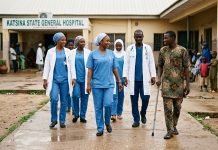
The identification of infections among healthcare workers has raised concerns about the risks faced by medical personnel during outbreaks, particularly when caring for patients whose infections may not initially be recognised.
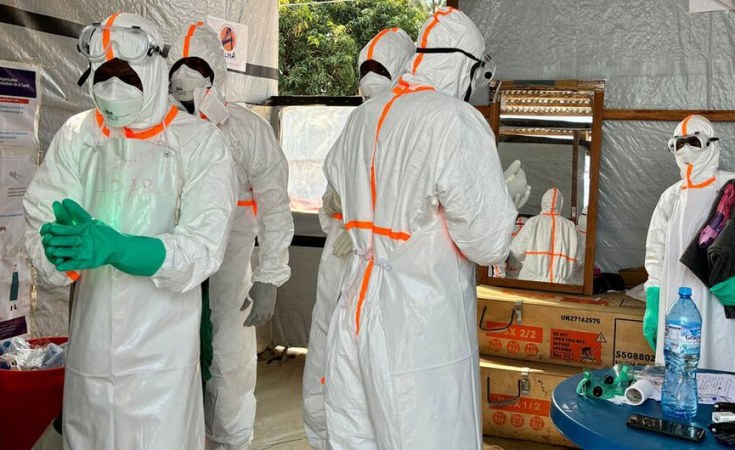
Healthcare workers are often at the forefront of emergency responses. However, without effective infection prevention and control measures, hospitals can become places where infections spread rather than being contained.
The Kenyan response has therefore placed considerable importance on identifying exposed individuals, monitoring their health and isolating suspected cases promptly.
The Issues
One of the major challenges facing Kenya is the protection of healthcare workers. Doctors, nurses and other medical personnel play a central role in treating patients and containing outbreaks, but their work can expose them to infection when safety procedures are inadequate or when a disease is not immediately recognised.
The confirmation of three cases among healthcare workers raises questions about exposure and the effectiveness of infection prevention measures. However, further information would be needed to establish the circumstances surrounding their infections.
Another challenge is identifying everyone who may have come into contact with an infected person. Ebola can spread through direct contact with the blood or other bodily fluids of an infected person, as well as contaminated materials. Rapid identification, testing and isolation of suspected cases are therefore important to limiting transmission.
Public awareness also matters. Communities need reliable information about symptoms, transmission and when to seek medical attention. Clear communication can help people take appropriate precautions without creating unnecessary fear.
What’s Being Said
Kaseya emphasised the importance of early detection, contact tracing and prompt public health interventions. He noted that the identification of all four new cases among people already in quarantine demonstrated the value of monitoring exposed individuals.
Africa CDC also highlighted the need for regional solidarity and coordination, particularly as the Ebola outbreak continues in the Democratic Republic of the Congo (DRC).
The agency said cooperation between affected countries was important for strengthening surveillance, coordinating response efforts and improving preparedness for cross-border transmission.
Its commitment to supporting Kenya includes assistance for frontline health workers and efforts to strengthen interventions designed to protect communities.
What’s Next
Kenya’s immediate priority is to prevent further transmission by continuing to monitor people who may have been exposed, identifying new infections quickly, and maintaining appropriate safety measures in healthcare facilities.
Health authorities will also need to sustain public communication and ensure that medical personnel have the guidance and protective resources required to care for patients safely.
Regional cooperation will remain important as countries work to strengthen disease surveillance and respond to potential cross-border risks.
The progress of these efforts will depend on continued monitoring, timely identification of cases, and the ability of health authorities to respond effectively to new developments.
Bottom Line
Kenya’s latest Ebola cases highlight the challenges of containing an outbreak while protecting the healthcare workers responsible for treating infected patients. The fact that the new infections were detected among people already in quarantine demonstrates the importance of surveillance, but it also underlines the need for continued vigilance. Strong infection prevention measures, prompt contact tracing, and cooperation between neighbouring countries will be essential to reducing the risk of further spread.