Key Points
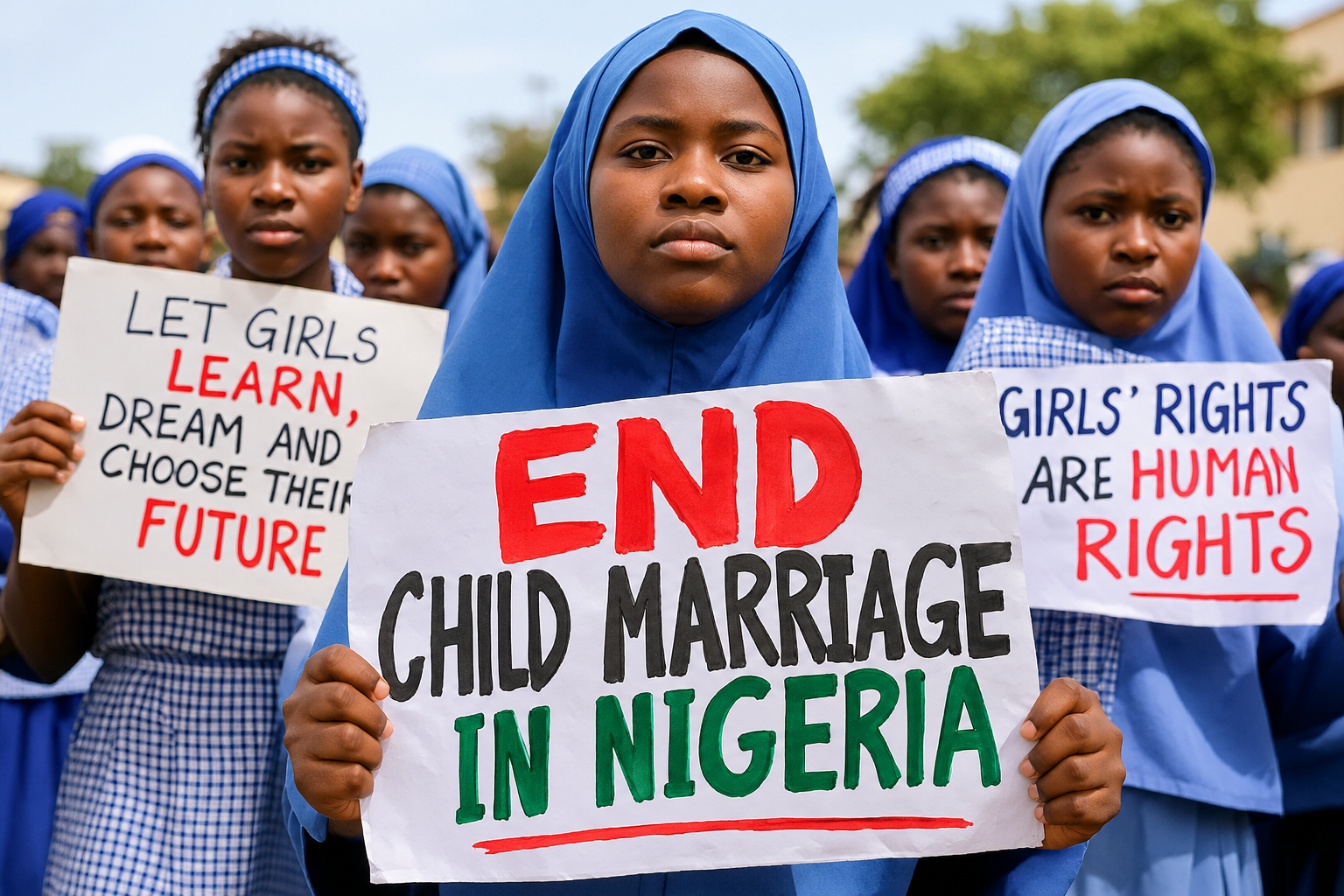
- The Helpline Social Support Initiative (HSSI) has called for urgent action to end child marriage and strengthen the protection of girls’ rights.
- HSSI President Dr Jumai Ahmadu says empowering girls through education, confidence-building and leadership is essential to securing their future.
- The organisation wants stronger child-protection laws, safe schools and confidential reporting channels for girls facing abuse.
- HSSI is urging governments, parents, community leaders and civil society organisations to turn their commitments into measurable action.
Main Story
Every girl deserves the opportunity to grow up, receive an education and build a future based on her own hopes and ambitions. But for girls threatened by child marriage, those opportunities can disappear before they have the chance to discover what life has to offer.
The Helpline Social Support Initiative (HSSI) has renewed its call for an end to child marriage, urging governments, families and community leaders to do more to protect girls and defend their fundamental rights.
The organisation’s president, Dr Jumai Ahmadu, appealed in a statement issued in Abuja on Sunday to mark the 2026 International Day of the Girl Child.
Speaking on this year’s theme, “End Child Marriage and Invest in Girls’ Rights!”, Ahmadu said meaningful investment in girls must go beyond keeping them safe. It must also give them access to quality education, help them develop self-confidence and create opportunities for them to take on leadership roles.
She pointed to initiatives such as the Voice of the Girls Parliament, which gives young girls a platform to speak up, understand their rights and engage with those responsible for their welfare.
“Every girl deserves to grow up knowing that her voice matters, her safety matters and her dreams are valid,” Ahmadu said.
She explained that encouraging girls to express themselves respectfully should never mean expecting them to remain silent when they experience abuse, intimidation or injustice.
Girls, she stressed, must be able to raise concerns, seek help and report threats without fear of being blamed or punished.
According to her, the responsibility for protecting children rests with adults and institutions, not with girls alone.
The Issues
Child marriage can have consequences that extend far beyond childhood. It can interrupt a girl’s education, expose her to serious health risks and limit her opportunities to become financially independent.
For many affected girls, marriage at an early age can mean taking on responsibilities for which they are not physically, emotionally or financially prepared. Leaving school can further narrow their employment opportunities and make it harder to break cycles of poverty.
These challenges make it important to address the conditions that leave girls vulnerable, including barriers to education, inadequate protection systems and social pressures that undermine their rights.
Ahmadu outlined five priorities for governments, traditional and religious leaders, parents, educators and civil society organisations.
She called for stronger legal frameworks to prevent early marriage, abuse and exploitation. She also urged stakeholders to ensure that girls have access to safe, inclusive and affordable schooling, with additional support for those at risk.
Another priority is establishing safe and confidential reporting channels where girls can report abuse and receive timely assistance.
She further called for investment in girl-led initiatives, mentorship programmes and skills development, alongside greater participation by young girls in decisions affecting their lives.
The demands highlight a critical point: protecting girls requires more than public awareness. It also requires effective systems that can prevent abuse, respond to reports and give vulnerable children access to meaningful support.
What’s Being Said
Ahmadu’s message places the voices of girls at the centre of efforts to end child marriage.
Through the Voice of the Girls Parliament, HSSI seeks to encourage girls to understand their rights, express their concerns confidently and engage with people responsible for their welfare.
However, the organisation also recognises that speaking up is not enough if the adults and institutions responsible for protection fail to act.
A girl who reports abuse should be met with support, not blame. Her concerns should be taken seriously, and appropriate assistance should be available when she needs it.
HSSI is therefore calling for a collective response that brings together government institutions, families, schools, community leaders and civil society groups.
What’s Next
The next step is turning these demands into practical results.
Governments and relevant institutions must work to strengthen child-protection measures, improve access to education and ensure that girls can report abuse safely.
Parents, teachers and community leaders also have a role in creating environments where girls feel supported and where threats to their safety are addressed promptly.
Measuring progress will be essential. Stronger protections must translate into safer learning environments, accessible support services and meaningful opportunities for girls to participate in decisions affecting their future.
HSSI has called for stakeholders to demonstrate measurable progress, although the statement provided no specific implementation timetable.
Bottom Line
Ending child marriage requires more than promises made during an annual celebration. It demands sustained action from governments, families, schools and communities.
HSSI’s appeal is a reminder that girls should not have to fight alone for their right to education, safety and a future of their choosing.
A girl’s future should be shaped by her dreams and opportunities, not cut short by child marriage. Protecting her rights is a shared responsibility, and the true measure of commitment is the action taken to make those rights a reality.