KEY POINTS
• Nigeria has called for reforms to the international financial system to reduce borrowing costs and close development financing gaps in Africa.
• The country urged progress on international tax cooperation and implementation of the Sevilla Commitment.
• Nigeria identified insecurity, terrorism, climate change and geopolitical tensions as obstacles to Africa’s economic development.
MAIN STORY
Nigeria has called for urgent reforms of the international financial architecture, warning that high borrowing costs and persistent funding gaps are limiting African countries’ ability to finance development.
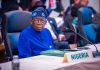
Nigeria’s Permanent Representative to the United Nations, Amb. Jimoh Ibrahim, made the call on Thursday during the UN General Assembly’s Second Committee debate on macroeconomic policies and financing for development.
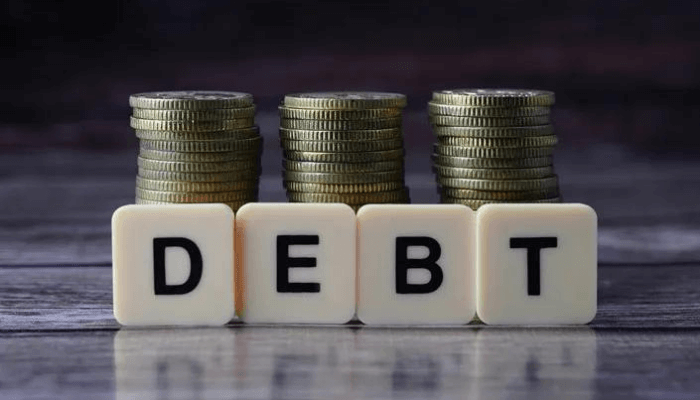
The Nigerian delegation said rising interest rates in developed economies were making affordable credit harder for developing countries to obtain. It warned that the resulting borrowing costs complicated debt management, disrupted capital flows and threatened progress towards the Sustainable Development Goals.
Nigeria argued that domestic economic reforms alone would not be sufficient to address these challenges because national economies operate within an increasingly interconnected global system. It therefore called for stronger international cooperation to mobilise resources and widen access to development finance.
The delegation reaffirmed Nigeria’s commitment to the Sevilla Commitment, adopted at the Fourth International Conference on Financing for Development, describing it as a framework for addressing financing shortfalls and reforming the international financial system.
Nigeria also backed ongoing negotiations towards a United Nations Framework Convention on International Tax Cooperation. It urged member states to participate constructively in the process and work towards an effective convention that could secure broad acceptance before the 2027 deadline.
The delegation said stronger international tax cooperation was necessary to improve domestic resource mobilisation and provide more funding for sustainable development.
Beyond financing constraints, Nigeria identified terrorism, insecurity, climate change and geopolitical tensions as major challenges to Africa’s economic transformation. It called for coordinated international action to address these pressures and accelerate implementation of the UN 2030 Agenda and the African Union’s Agenda 2063.
Nigeria also aligned itself with positions presented by the Group of 77 and China and the African Group during the debate.
THE ISSUES
- High borrowing costs can leave developing countries with less fiscal room to fund infrastructure and essential services when a larger share of public resources is required to service debt. Nigeria’s position is that the international financial system must be part of efforts to address these constraints.
- The call for international tax cooperation centres on countries’ ability to mobilise revenue for development. The proposed UN convention provides a negotiating framework, but its eventual impact will depend on the agreement reached by member states and how it is implemented.
- Nigeria’s appeal links development financing to broader challenges, including insecurity, climate change and geopolitical tensions. These pressures can complicate efforts to attract investment, sustain economic activity and meet development targets.
- The Sevilla Commitment and the proposed tax convention represent separate international processes relevant to development finance. Nigeria’s support for both reflects its call for cooperation on financing sources as well as changes to the international financial system.
WHAT’S NEXT
Negotiations towards the UN Framework Convention on International Tax Cooperation are expected to continue ahead of the stated 2027 deadline. Nigeria has urged member states to work towards an effective and broadly acceptable agreement while supporting wider international efforts to close development financing gaps.
BOTTOM LINE
Nigeria wants international financial reforms and stronger tax cooperation to help developing countries access affordable financing and fund sustainable development. It argues that domestic reforms must be supported by coordinated global action to address debt pressures and wider barriers to Africa’s economic transformation.
NAN