



KEY POINTS
- The Iran-U.S. conflict has expanded into Yemen as government-aligned forces strike Houthi targets in Sanaa and Saada, while President Rashad al-Alimi vows to reclaim remaining territory.
- Tensions at the Strait of Hormuz escalated after an unknown projectile struck a commercial tanker, raising fears of supply disruptions at a critical global oil chokepoint.
- Iranian Foreign Minister Abbas Araghchi dismissed reports that Tehran’s UN delegation was expelled by Washington, insisting diplomats departed on schedule following the General Assembly.
MAIN STORY
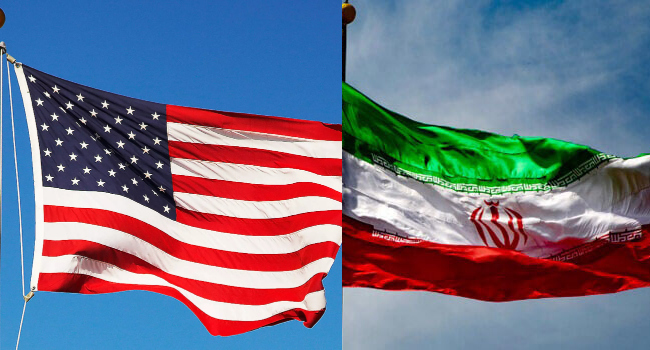
The geopolitical fallout from the Iran-U.S. conflict deepened over the weekend as hostilities spilled further into Yemen, regional shipping lanes, and international diplomacy.
Yemeni government-aligned forces confirmed ongoing military strikes against Houthi targets in Sanaa and Saada, supported by President Rashad al-Alimi’s vow to liberate remaining territory from insurgent control.

Meanwhile, Tehran rejected U.S. preconditions regarding the Strait of Hormuz, demanding concessions while warning it is fully prepared for military escalation. The vital oil chokepoint remains a high-risk flashpoint following an attack on a commercial tanker by an unidentified projectile.
Concurrently, security operations and diplomatic friction added to international tensions. The U.S. Department of War confirmed on Sunday that Air Force bombers were relocated from RAF Fairford in England amid an ongoing investigation into a suspected terror plot targeting the installation.
In the Middle East, the Israel Defense Forces reported eliminating a Hamas Nukhba operative who allegedly exploited humanitarian cover to fund anti-Israel terror operations.
Diplomatic relations between Washington and Tehran also remained strained following reports that U.S. Secretary of State Marco Rubio demanded the immediate departure of Iran’s UN delegation on September 28 amid stalled bilateral talks.
Iranian Foreign Minister Abbas Araghchi forcefully pushed back against claims of an expulsion, stating on social media that all diplomats departed as scheduled after the UN General Assembly and criticizing Washington’s handling of host-nation obligations as a sign of diplomatic desperation.
THE ISSUES
- Securing critical maritime trade corridors like the Strait of Hormuz is vital for preventing severe global energy supply shocks amid expanding Middle Eastern hostilities.
- Managing diplomatic channels during active geopolitical conflicts remains critical to preventing miscalculations and unwarranted escalations between nuclear-capable adversaries.
WHAT’S BEING SAID
“All Iranian diplomats who attended the U.N. General Assembly, except one who departed earlier, left as scheduled. Taking pride in fake diplomat ‘expulsion’ is inappropriate… It oozes of desperation and defeat.” – Abbas Araghchi, Iranian Foreign Minister
WHAT’S NEXT
International monitors and naval coalitions will maintain heightened security patrols across the Strait of Hormuz while tracking military developments in Yemen and ongoing diplomatic maneuvers between Washington and Tehran.
BOTTOM LINE
The Iran-U.S. conflict widened into Yemeni combat zones and strained maritime chokepoints over the weekend, accompanied by sharp diplomatic rebuttals between Tehran and Washington over UN delegation travel timelines.