







KEY POINTS
• Vice President Kashim Shettima has urged African countries to process more of their mineral resources locally and use them to drive jobs and industrial growth.
• He called for stronger continental cooperation to improve Africa’s bargaining power and increase its share of value from global mineral supply chains.

• Solid Minerals Development Minister Dele Alake called for the formalisation of artisanal mining and stronger safety regulation.
MAIN STORY
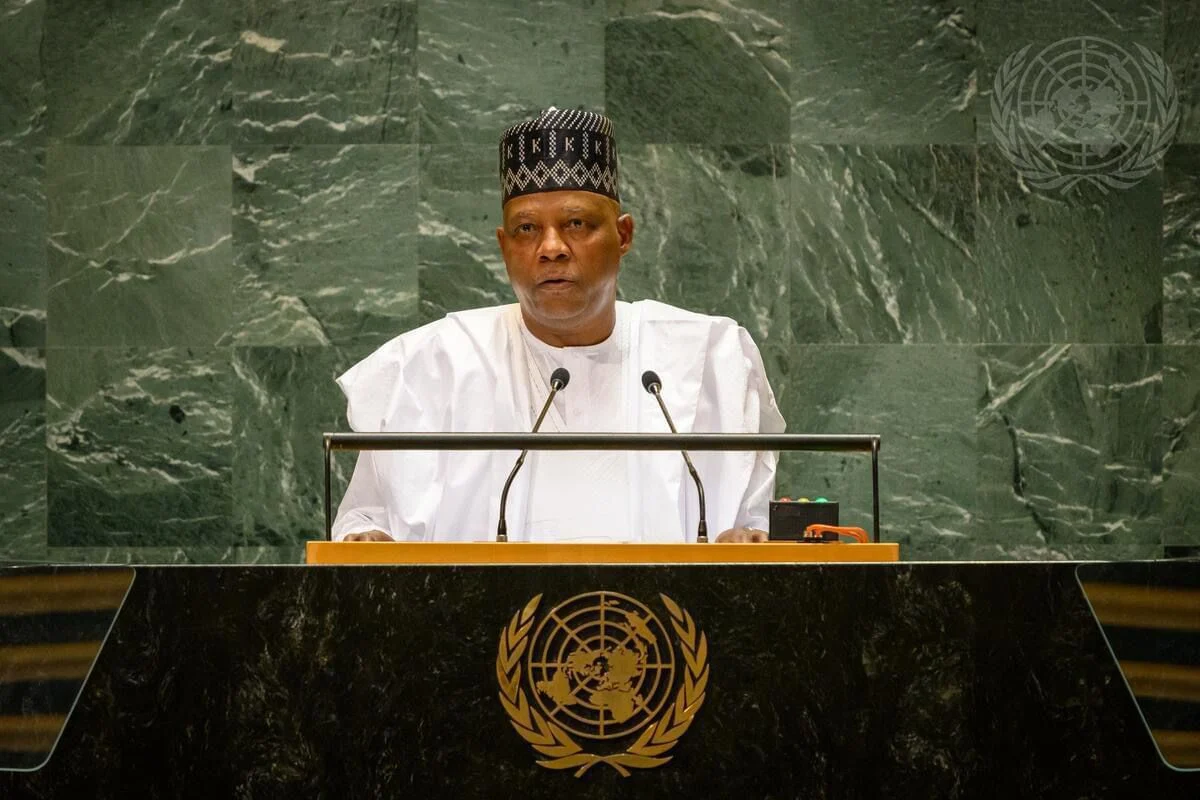
Vice President Kashim Shettima has called on African countries to move beyond exporting raw minerals and develop industries that can generate jobs and greater economic value from the continent’s natural resources.
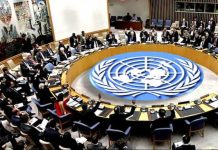
Shettima made the call at the Third High Level Roundtable of the Africa Minerals Strategy Group, held on the sidelines of the 81st United Nations General Assembly in New York.
The meeting, themed “From Resources to Wealth: Continental Cooperation for Mineral Value Addition,” brought together governments, investors and mining industry stakeholders to discuss ways of increasing local value from Africa’s mineral wealth.
The Vice President said Africa’s mineral endowment should be assessed not only by the volume of resources extracted but by the benefits reaching ordinary Africans.
He urged countries to strengthen cooperation on mineral governance, process resources within the continent and develop industries around minerals that are becoming increasingly important to the global economy.
According to him, Africa must move away from a system where raw materials are exported and finished products are imported back at much higher values.
He said greater cooperation among African countries could strengthen their negotiating position and enable the continent to retain more value from global supply chains.
Shettima also urged members of the strategy group to develop bankable projects capable of attracting investment into mineral processing, manufacturing and other value adding activities.
He said such investments should support employment, industrialisation and economic benefits for communities where minerals are extracted.
THE ISSUES
- Africa’s mineral resources can generate greater economic value when more processing and manufacturing activities take place within the continent. Developing local industries around mineral resources could create employment while allowing producing countries to capture more value before products enter international markets.
- Continental cooperation is also central to Africa’s position in global mineral supply chains. The Africa Minerals Strategy Group is seeking to strengthen this through harmonised mining policies, shared infrastructure, regional processing hubs and improved geological data systems.
- Artisanal mining remains another area requiring regulatory attention. Alake argued that miners working to earn legitimate livelihoods should be distinguished from operators involved in illegal activities, with formalisation providing a route to safer and more regulated operations.
- Stronger regulation could also address recurring mine site accidents and improve traceability within the sector. Alake said formalised miners could gain access to training, equipment, finance and government oversight while reducing risks linked to smuggling and environmental degradation.
WHAT’S BEING SAID
“Illegal mining must remain illegal, but artisanal miners should have a structured framework that allows them to operate legally and safely.” – Dele Alake
WHAT’S NEXT
The Africa Minerals Strategy Group is expected to continue pursuing cooperation on mineral governance, local processing, shared infrastructure and geological data as part of efforts to strengthen Africa’s position in global mineral supply chains.
BOTTOM LINE
Shettima wants African countries to retain more economic value from their mineral resources by expanding local processing and industrial activity. The approach would link mineral extraction more directly to jobs, investment and benefits for producing communities.