




By Annette Ikponmwonba | September 18, 2026
Key Points
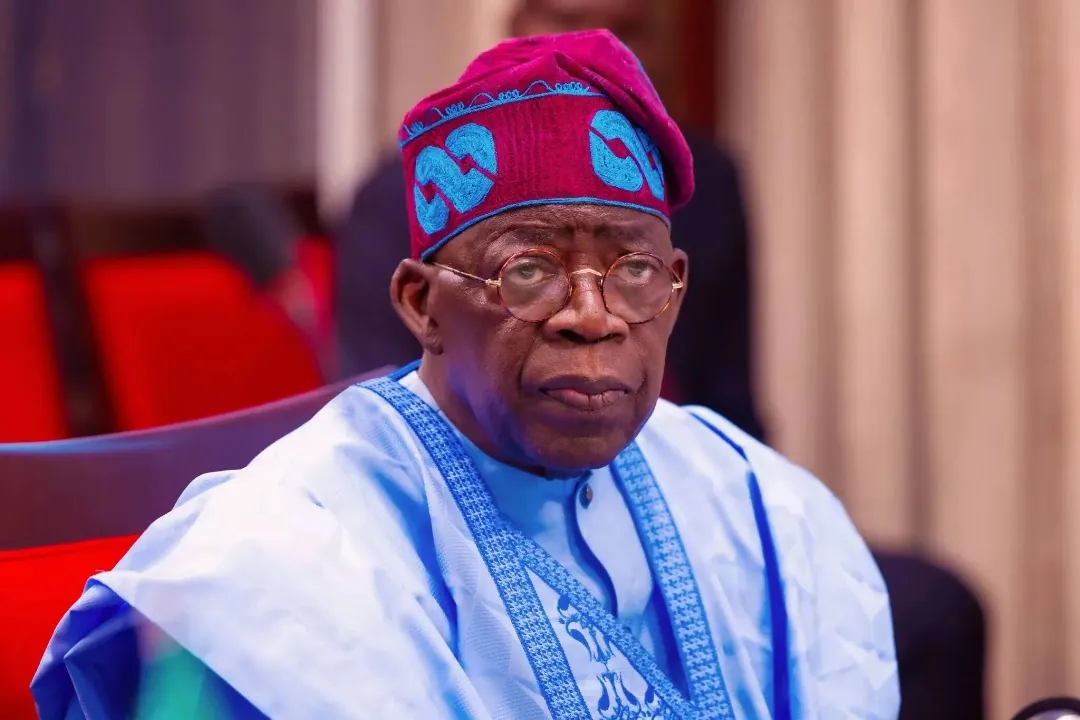
· Singapore’s President Tharman Shanmugaratnam has invited President Bola Tinubu to visit the country
· The invitation was delivered by Singapore’s UN Ambassador Burhan Gafoor to Nigeria’s UN envoy, Ibrahim
· Ibrahim compared Tinubu’s economic reform agenda to the transformation achieved under Singapore’s first Prime Minister, Lee Kuan Yew
· Gafoor also congratulated Ibrahim on becoming Chairman of two key UN committees, the Fifth Committee and the Committee of 34
· Ibrahim said his office has seen increased diplomatic engagement recently, including visits from British and Guyanese envoys
· He pledged fairness, accountability and efficiency in his leadership of the UN committees
Main Story
The President of Singapore, Tharman Shanmugaratnam, has invited President Bola Tinubu to visit the Asian country as both nations look to strengthen diplomatic relations and expand areas of cooperation. According to Nigeria’s Permanent Representative to the UN, Ambassador Tijjani Muhammad-Bande Ibrahim, Singapore’s Permanent Representative to the UN, Ambassador Burhan Gafoor, delivered a letter from President Shanmugaratnam extending the invitation during a visit to the Nigerian Mission House.
During the visit, Gafoor also congratulated Ibrahim on his emergence as Chairman of two key United Nations committees, the Fifth Committee on Administrative and Budgetary Matters and the Special Committee on Peacekeeping Operations, popularly known as the Committee of 34.
Receiving the invitation, Ibrahim thanked the Singaporean government and assured them that President Tinubu would honour the invitation at a suitable time. He explained that Singapore’s interest in engaging Nigeria was linked to the country’s ongoing economic reforms and broader efforts at national transformation.
The Issues
Ibrahim’s framing of the invitation places it within a larger narrative about Nigeria’s economic reform agenda gaining international attention and credibility. His direct comparison of Tinubu’s policies to the transformation achieved under Singapore’s founding Prime Minister, Lee Kuan Yew, is a notably ambitious parallel, given how central Lee’s legacy is to Singapore’s rise as a global economic model. Whether that comparison holds up to scrutiny will likely depend on how Nigeria’s reform outcomes materialize over the coming years, but the framing itself signals how Nigerian officials are positioning the country’s economic direction on the international stage.
The invitation also reflects a broader pattern of countries seeking closer ties with Nigeria amid its ongoing economic restructuring, with Ibrahim noting a recent uptick in diplomatic engagement from multiple countries. This suggests that Nigeria’s reform agenda, whatever its domestic reception, is drawing measurable interest from international partners looking to explore areas of cooperation or share development experiences.
Separately, Ibrahim’s new leadership roles on two significant UN committees carry their own weight, given that the Fifth Committee oversees the administrative and budgetary affairs of the entire United Nations, while the Committee of 34 focuses on the sensitive area of peacekeeping operations. His chairmanship of both places Nigeria in an influential position within UN administrative and peacekeeping governance structures.
What’s Being Said
Ibrahim was expansive in praising Tinubu’s economic direction, stating that the President was making bold economic reforms in a manner comparable to Lee Kuan Yew’s transformation of Singapore, and that his achievements were generating interest from countries like Singapore in sharing experience on multilateral cooperation, He also spoke about Nigeria’s own reform trajectory in broader terms, describing an ongoing effort to transform the country into a modern contemporary state where the interests of everyone are protected and Nigerians begin to enjoy a viable proposition.
On his new UN committee responsibilities, Ibrahim pledged a commitment to fairness and impartiality, stating that he would be fair to all in the allocation of resources under the Fifth Committee, ensuring every country has a say, and that the United Nations would remain impartial to member states under reforms centered on accountability and efficiency.
What’s Next
Attention will now turn to when President Tinubu might actually travel to Singapore to honour the invitation, though no specific date or timeline was disclosed. The visit, when it happens, would likely serve as a platform for deeper discussions on economic cooperation and development experience sharing between the two countries, Ibrahim’s tenure leading the Fifth Committee and the Committee of 34 will also be closely watched, particularly given the sensitivity of UN budgetary and peacekeeping matters, as member states assess how his leadership approach translates into practice.
Bottom Line
Singapore’s invitation to President Tinubu reflects growing international interest in Nigeria’s economic reform trajectory, with Nigerian officials framing the overture as validation of a reform agenda they liken to Singapore’s own historic transformation, even as the true test of that comparison will play out over the coming years.