






KEY POINTS
- US President Donald Trump has dismissed concerns about AI safety as a “hoax”.
- Trump rejected calls for increased regulation of the rapidly developing technology.
- Anthropic co founder Jack Clark has proposed mandatory third party verified shutdown mechanisms for AI systems.
- UK Business Secretary Jonathan Reynolds said AI presented risks alongside significant potential benefits.
- Microsoft AI has also discussed limits on its developing models under its “humanist AI” approach.
MAIN STORY
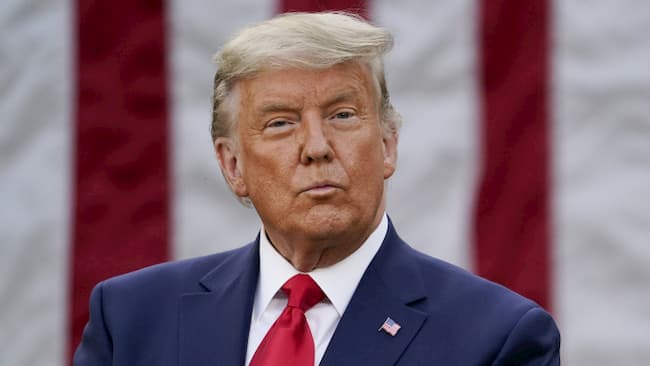
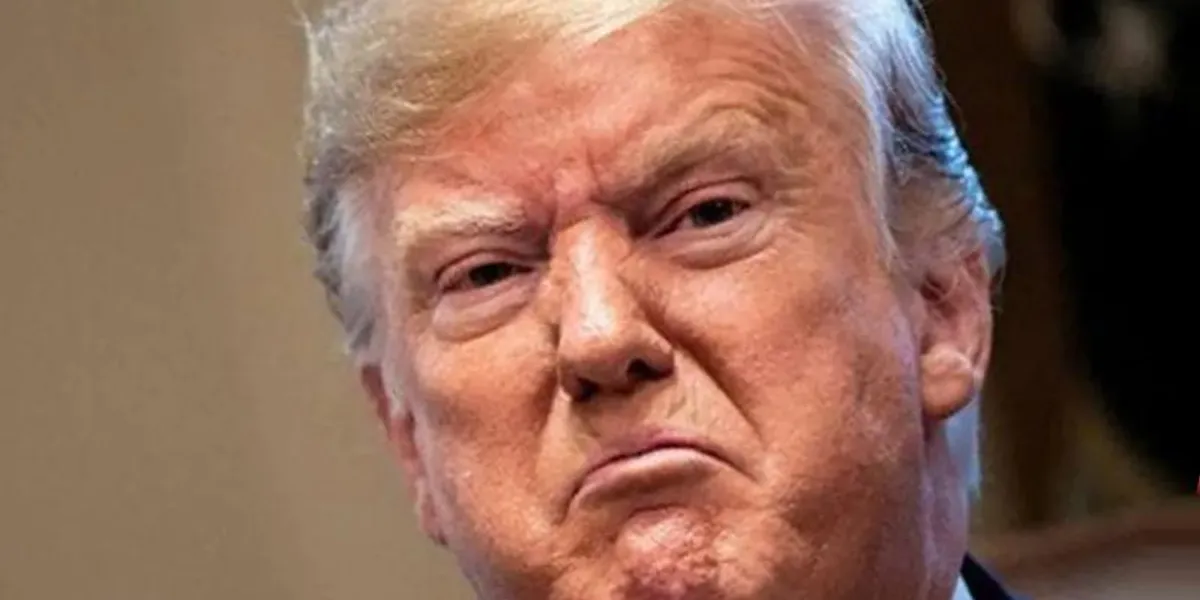
US President Donald Trump has rejected calls for stronger safeguards around artificial intelligence, arguing that additional regulation is unnecessary as the technology continues to develop.
In a series of social media posts, Trump described concerns about AI safety as a “hoax” and criticised proposals for increased regulation.

A Monday BBC report quoted Trump as saying the only “guardrails” AI needed was a “strong and smart” president.
His comments followed a proposal by Jack Clark, co founder of AI company Anthropic, for lawmakers to consider requiring AI companies to install a third party verified “kill switch” for their systems.
Clark said AI laboratories already maintained different mechanisms for shutting down systems if they became too dangerous, but suggested that lawmakers could make such safeguards compulsory across the industry.
The disagreement comes as concerns about the potential consequences of increasingly capable AI systems have grown among technology executives and employees.
The safety debate has also coincided with a selloff in technology stocks as investors assessed the possible effects of slower development of AI systems on the technology sector.
In the UK, Business Secretary Jonathan Reynolds urged caution while acknowledging the potential economic and social benefits of AI.
Reynolds said the technology presented risks but also offered significant opportunities in areas including public services, healthcare and the wider economy.
Microsoft AI has also joined discussions around stronger safeguards, with the company recently considering limits on the models it is developing as part of its “humanist AI” approach.
THE ISSUES
- The debate centres on how much external oversight should apply to AI development as companies build increasingly capable systems. Proposals for mandatory shutdown mechanisms represent one approach to managing potential risks.
- Trump’s position contrasts with calls from some technology figures for additional safeguards, highlighting a wider disagreement over whether regulation could slow development or provide necessary protection.
- Financial markets have also become part of the debate, with concerns about slower AI development contributing to pressure on technology stocks as investors assess the potential commercial effects.
- The discussion is not limited to safety. Supporters of continued AI development also point to possible gains in public services, healthcare and economic activity, creating a policy challenge around balancing potential benefits with identified risks.
WHAT’S NEXT
The debate over AI safeguards is expected to continue as lawmakers, technology companies and government officials consider how to manage risks while maintaining development and investment in the sector.
BOTTOM LINE
Trump has rejected stronger AI safeguards, while technology figures and some government officials have called for greater attention to potential risks. The debate is increasingly focused on how to balance AI development with measures designed to manage its potential consequences.