







By Annette Ikponmwonba | August 31, 2026
Key Points
- The Nigerian Independent System Operator attributed recent reductions in electricity allocations to Lagos, Abuja and northern parts of Nigeria to multiple transmission line outages.
- NISO said the reductions were caused by transmission constraints and not a shortage of electricity generation.
- Several 330kV transmission lines serving the Lagos corridor experienced outages, limiting the amount of electricity that could safely be transferred into the area.
- Eko Electricity Distribution Company, Ikeja Electric and the Sakete international supply had their allocations reviewed and curtailed.
- Transmission failures on the Shiroro-Mararaba, Shiroro-Mando and Mando-Jos corridors affected Abuja, Jos and other northern locations.
- Kano, Kaduna, Jos, Yola and other areas experienced revised or reduced allocations because of the constraints.
- Two transmission lines serving the Abuja axis also tripped simultaneously on August 29 but were restored shortly afterwards.
- NISO said generation availability alone does not guarantee electricity supply because transmission infrastructure must have sufficient capacity to move available power.
- The outages highlight the vulnerability of Nigeria’s interconnected electricity network and the country’s longstanding transmission infrastructure challenges.
- NISO said it adjusted generation dispatch and DisCo allocations to keep the national grid within safe operating limits and prevent wider system disturbances.
Main Story
Recent reductions in electricity allocations to Distribution Companies serving Lagos, Abuja and parts of northern Nigeria have been attributed to multiple transmission line outages that constrained the capacity of the national grid, The Nigerian Independent System Operator said the affected allocations were adjusted because of transmission constraints and not because of insufficient electricity generation.
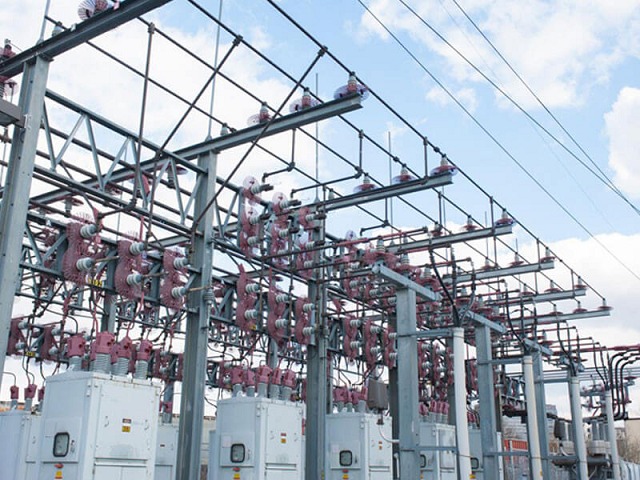
In a statement titled “Clarification on Recent Changes in Power Allocations Following Transmission Line Outages,” NISO explained that the availability of electricity generation does not automatically mean that the power can be delivered to consumers in a particular location, According to the system operator, electricity must be transferred through transmission infrastructure with sufficient capacity and a configuration capable of safely carrying the available power.
NISO said it adjusted generation dispatch and electricity allocations to ensure that the remaining transmission network operated within secure limits and to prevent a wider disturbance to the national grid, The Lagos corridor was particularly affected by successive outages involving the Olorunsogo-Ayede 330kV Line 1, Benin-Egbin 330kV Line 1 and Benin-Omotosho 330kV Line 1.
The Osogbo-Ikeja West circuit also remained out of service for an extended period, NISO said the cumulative loss of these critical transmission circuits reduced the amount of electricity that could safely be transferred into Lagos.
Consequently, allocations to Eko Electricity Distribution Company, Ikeja Electric and the Sakete international supply were reviewed and curtailed based on the prevailing network configuration and system-security requirements, The northern corridor also experienced significant transmission constraints.
NISO said the Shiroro-Mararaba 330kV Line 1 tripped between August 24 and 26, affecting electricity allocations to Abuja and northern parts of the country because the remaining transmission circuit had to carry the load, The situation became more critical at 6:47 a.m. on August 27 when the Shiroro-Mando 330kV Line 2 and Mando-Jos 330kV Line 1 tripped simultaneously.
The development left the Mando-Jos circuit as the only available transmission line serving Jos and the North-East, while the alternative Apir-Lafia 330kV Lines 1 and 2 had remained out of service for an extended period because of faults, The simultaneous outages significantly reduced transmission capacity to Jos and the North-East and altered the network configuration following the separation of the bus at the Mando Transmission Substation.
NISO consequently revised and curtailed allocations to Kano, Kaduna, Jos, Yola and other affected areas to ensure that the remaining network continued to operate within secure limits, The Abuja axis experienced another transmission problem on August 29 when the Shiroro-Katampe 330kV Line 1 and Gwagwalada-Katampe 330kV Line 1 tripped simultaneously at 3:55 a.m, NISO said both circuits were restored shortly afterwards, with the Shiroro-Katampe line restored at 7:25 a.m. and the Gwagwalada-Katampe line restored at 7:20 a.m.
The Issues
The latest disruption highlights one of the major structural challenges facing Nigeria’s electricity market: having enough generation capacity does not necessarily translate into reliable electricity supply, NISO said the national electricity network depends on the interaction between generation, transmission and distribution infrastructure, Where transmission capacity is constrained, available generation may not be safely transferred to areas that need it.
This means that even when power plants are capable of producing electricity, consumers may still experience reduced supply if transmission lines or other critical infrastructure are unavailable, The repeated outages also demonstrate the vulnerability created when multiple critical transmission circuits are unavailable at the same time.
In Lagos, the loss of several transmission circuits reduced the amount of power that could safely be transferred into the area, In the North, simultaneous failures affected the ability of the system to supply Jos, the North-East and other locations, NISO therefore had to redistribute generation, curtail some loads and adjust allocations to DisCos as part of its system-security responsibilities.
What’s Being Said
NISO said the recent changes in electricity allocations should not be interpreted as evidence of a shortage of generation, The operator explained that “generation availability does not automatically translate into deliverable power to Distribution Companies”, stressing that adequate transmission capacity and a secure network configuration are equally necessary.
NISO said it continuously monitors the transmission network before determining the amount of electricity that can safely be delivered to different areas, It also said temporary redispatch of generation, load curtailment and changes to DisCo allocations become necessary when transmission constraints prevent the safe transfer of available electricity, The clarification was issued amid concerns over changing electricity allocations to DisCos serving some of Nigeria’s largest population and commercial centres.
What’s Next
The immediate priority will be the restoration and stabilisation of affected transmission circuits to increase the amount of electricity that can safely be transferred to Lagos, Abuja and the northern corridors, The situation also reinforces the need for sustained investment in Nigeria’s transmission infrastructure and the maintenance of critical transmission lines.
Reducing the number of unavailable circuits would provide NISO with greater flexibility to distribute available generation across the country and reduce the risk that a single transmission fault could trigger wider supply constraints, The reliability of the national grid will continue to depend on improvements across all three stages of the electricity value chain: generation, transmission and distribution.
Bottom Line
The recent reduction in electricity allocations to Lagos, Abuja and several northern locations was caused by transmission constraints rather than inadequate power generation, according to NISO, Multiple transmission line outages reduced the amount of electricity that could safely be transferred to affected areas, forcing the system operator to adjust generation dispatch and DisCo allocations.
The development highlights a central weakness in Nigeria’s power sector: generating electricity is only one part of the supply chain. Without reliable transmission infrastructure capable of moving that electricity to consumers, additional generation capacity cannot fully translate into improved electricity supply.