




Hardware wallets generally suit long-term storage, while software wallets provide easier access for regular transactions. Custodial wallets can be simpler for beginners because a company manages the private keys, whereas non-custodial wallets give users direct control—and direct responsibility—over their assets.
CryptoVantage approaches wallet selection as a practical comparison rather than attempting to identify one product that is right for everyone. Its wallet resources explain how security, recovery, supported networks, and ease of use should influence the decision.
The right choice ultimately depends on how much cryptocurrency a person holds, which assets they use, how frequently they transact, and whether they are comfortable protecting their own private keys.
Crypto Wallet Types Compared
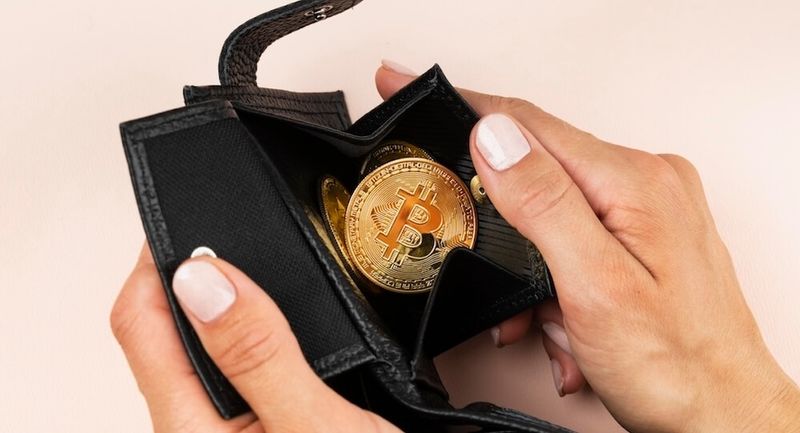
A cryptocurrency wallet does not store coins in the way a physical wallet holds cash. Digital assets remain recorded on a blockchain. The wallet manages the private keys that allow the owner to access and transfer them.
Different wallet types provide different levels of convenience, control, and exposure to online threats.
| Wallet type | Company examples | Best suited to | Main tradeoff |
| Custodial wallet | Coinbase, Kraken and Gemini | Beginners and exchange users | The provider controls the private keys |
| Mobile or software wallet | MetaMask, Trust Wallet, Exodus and Zengo | Payments, DeFi and regular transactions | Greater exposure to online threats |
| Browser wallet | MetaMask and Rabby | Connecting to decentralized applications | Malicious sites and approvals can create risks |
| Hardware wallet | Ledger, Trezor and ELLIPAL | Long-term storage and larger holdings | Requires an upfront purchase and careful setup |
| Specialized ecosystem wallet | Phantom and Argent | Solana, Ethereum, NFTs and DeFi | Network support may be more limited |
No category is automatically superior. A beginner holding a small amount on Coinbase has different requirements from an investor storing Bitcoin for several years or a user regularly accessing decentralized finance.
Custodial vs Non-Custodial Wallets
One of the first questions to answer when choosing a crypto wallet is who should control the private keys.
A custodial wallet places that responsibility with a third party. Cryptocurrency exchanges such as Coinbase, Kraken, and Gemini provide custodial accounts in which the company manages the keys associated with customer assets.
This structure can feel familiar to beginners. Customers access their accounts using an email address, password, and identity-verification process, and the company may provide conventional account-recovery assistance.
The tradeoff is dependence on the provider. The customer must trust the company to protect the assets, process withdrawals, and maintain access to its platform. Withdrawals could be delayed during technical problems, security reviews, or periods of unusually high demand.
A non-custodial wallet gives the user direct control of the private keys. Examples include MetaMask, Trust Wallet, Exodus, and hardware devices produced by Ledger, Trezor, and ELLIPAL.
Self-custody reduces reliance on an exchange, but it also transfers greater responsibility to the individual. The wallet provider normally cannot restore access if the user loses the required recovery credentials.
The choice is therefore not simply between “safe” and “unsafe.” It is between different forms of control, convenience, and responsibility.
Hot Wallet vs Cold Wallet: Which Is Better?
Hot wallets are connected to the internet. They include mobile applications, desktop software, and browser extensions.
MetaMask is commonly used as a browser extension and mobile wallet for Ethereum-compatible applications. Trust Wallet provides mobile access to multiple blockchain networks, while Exodus offers desktop and mobile applications with portfolio-management features.
These wallets can be practical for people who regularly send cryptocurrency, use decentralized applications, or interact with NFTs. Their main advantage is convenient access from a phone or computer.
That connectivity creates greater exposure to phishing, compromised devices, fraudulent applications, and malicious browser extensions. A hot wallet may therefore be more appropriate for money intended for regular use than for an entire long-term portfolio.
Cold wallets keep private keys offline, most commonly through a hardware device. Ledger offers devices such as the Ledger Nano S Plus and Ledger Nano X, while Trezor’s current range includes models in its Trezor Safe series. ELLIPAL produces devices such as the ELLIPAL Titan, which uses an air-gapped design and QR codes for transaction signing.
Hardware wallets can reduce exposure to remote attacks, but they do not eliminate user error. Owners must still protect their backups, verify transaction details, and keep wallet software or firmware updated.
For many users, the practical answer is not choosing between hot and cold storage. It is using both for different purposes.
How to Choose a Crypto Wallet
Wallet rankings are useful only when readers understand the criteria behind them. A product with the longest list of supported tokens is not necessarily the most secure or easiest for a beginner to manage.
The publication’s comparison of the best crypto wallets evaluates products using factors such as:
- Security architecture
- Control of private keys
- Supported assets and networks
- Backup and recovery methods
- Mobile and desktop compatibility
- Ease of setup
- Hardware cost
- DeFi and NFT support
- Intended user
- Company history and transparency
These criteria help explain why different products may be appropriate for different people.
Ledger and Trezor hardware wallets, for example, may appeal to users who prioritize offline key storage. MetaMask and Rabby are designed for interacting with decentralized applications, while Zengo uses a multi-party computation security model instead of depending on a traditional seed phrase for its standard recovery process.
Argent concentrates on Ethereum-related applications and smart-wallet functionality. Phantom is commonly associated with Solana but has expanded its support beyond a single network. Coinbase, Kraken, and Gemini provide custodial accounts for users who prefer an exchange to manage wallet infrastructure.
These products should not be treated as interchangeable. Their differences matter more than their overall popularity.
Best Crypto Wallet Types for Different Users
The most suitable wallet often becomes clearer when the user starts with a specific purpose.
Beginners
A custodial account with an established exchange such as Coinbase, Kraken, or Gemini may be easier for someone purchasing cryptocurrency for the first time. These companies provide familiar sign-in systems and customer-support channels.
Beginners interested in self-custody might consider mobile products such as Trust Wallet, Exodus, or Zengo, but they should learn how backup and recovery work before transferring significant funds.
Ease of use should not be the only consideration. A simple interface can still leave users responsible for irreversible transactions.
Long-Term Bitcoin Holders
Someone storing Bitcoin for several years may prioritize offline key protection over rapid access.
Hardware products from Ledger, Trezor, and ELLIPAL are examples of devices designed for this purpose. Bitcoin-focused users may also consider software such as Sparrow Wallet when they require greater control over transaction management, although advanced features can create a steeper learning curve.
The value being protected should be considered when deciding whether the cost and additional setup of a hardware wallet are justified.
Active Traders
People who frequently buy and sell crypto may find an exchange account more convenient because their assets are already available for trading.
Coinbase, Kraken, and Gemini are recognizable US-focused examples. International users may have access to different companies depending on local rules and service availability.
Keeping every asset on an exchange increases dependence on that platform. Active traders may choose to transfer longer-term holdings into a separate non-custodial wallet.
Stablecoin Users
People using USDC, USDT, or other stablecoins should verify both asset and network support.
A wallet may support USDC on Ethereum but not on Solana, Base, Polygon, or another network. The same issue applies to USDT, which circulates across several blockchains.
The differences between how stablecoins and Bitcoin serve different purposes can influence wallet selection. Someone using stablecoins for payments may prioritize mobile access and affordable networks, while a long-term Bitcoin holder may care more about offline security.
DeFi Users
MetaMask and Rabby are examples of wallets built for connecting to Ethereum-compatible decentralized applications. Phantom provides access to the Solana ecosystem and other supported networks, while Argent focuses on Ethereum and Layer 2 services.
Hardware wallets from Ledger and Trezor can also connect to compatible software wallets. This allows users to access decentralized applications while requiring transactions to be confirmed through the physical device.
Hardware confirmation does not make every decentralized application safe. Users must still examine permissions and verify that they are interacting with the correct website.
NFT Collectors
NFT collectors need a wallet supporting the blockchain on which their assets exist.
MetaMask may suit Ethereum-based collections, while Phantom is commonly used for Solana NFTs. Users should verify marketplace compatibility and network support before transferring an NFT.
A dedicated wallet for interacting with NFT marketplaces can also limit the number of assets exposed if a malicious transaction is approved.
Mobile-First Users
Trust Wallet, Exodus, Zengo, MetaMask, and Phantom all provide mobile applications, but they use different custody, recovery, and network models.
A mobile-first user should compare biometric access, backup procedures, supported assets, application permissions, and integration with decentralized services. The application should be downloaded only through the provider’s official website or a verified app-store listing.
Asset and Network Support Can Be Overlooked
A wallet advertised as supporting thousands of assets may not support every blockchain or every version of a token.
Bitcoin operates on its own network, while Ethereum-based tokens follow different technical standards. Assets such as USDC and USDT are issued across several networks. Selecting the wrong network can result in lost funds or a complicated recovery process.
Users should verify:
- The exact cryptocurrency
- The blockchain network
- Whether the wallet can display and send the asset
- Whether the receiving platform supports the same network
- Applicable network fees
- Whether a destination tag or memo is required
Supported networks and integrated services may also vary by country. A wallet application available in the United States may offer different purchasing, staking, or exchange features in Canada, the United Kingdom, Australia, or Nigeria.
Compatibility should always be confirmed through the wallet provider’s current documentation before sending funds.
How to Keep a Cryptocurrency Wallet Secure
A technically strong wallet cannot protect someone who shares a recovery phrase, approves a malicious transaction, or installs fraudulent software.
Hardware wallets should be purchased directly from manufacturers such as Ledger, Trezor or ELLIPAL, or through sellers officially authorized by those companies. A device from an unknown marketplace could have been opened or altered before delivery.
Wallet applications such as MetaMask, Trust Wallet, Exodus, Ledger Live and Trezor Suite should be downloaded through verified sources. Search advertisements, imitation websites and unsolicited social media links should be treated cautiously.
Additional practical steps for keeping cryptocurrency secure include using strong passwords, enabling multifactor authentication, and remaining alert to phishing attempts.
Other important precautions include:
- Never disclose a private key or recovery phrase
- Keep wallet backups offline
- Do not store a recovery phrase in email or ordinary cloud storage
- Verify the full destination address
- Confirm the blockchain network
- Test new addresses with a small transaction
- Review smart-contract permissions before approval
- Keep wallet software and device firmware updated
- Ignore unsolicited support messages
- Separate long-term holdings from regularly used funds
MetaMask, Coinbase, Ledger, Trezor, and other legitimate providers should not need a recovery phrase to verify an account or provide customer support. Anyone requesting that information should be treated as a potential scammer.
Using More Than One Wallet
Many users divide their assets between several products.
A person might keep long-term holdings on a Ledger or Trezor device, maintain a smaller balance in MetaMask for DeFi, and use Coinbase or Kraken when buying or selling cryptocurrency.
This separation can reduce the value exposed through any single service. If a browser wallet is compromised, assets held offline on a separate hardware wallet are not necessarily affected.
The strategy still requires organization. Each additional wallet can introduce another recovery process, address, and set of supported networks. Maintaining more wallets than a person can confidently manage may increase the likelihood of mistakes.
A simple two-wallet structure—a hardware wallet for savings and a software wallet for regular activity—may provide enough separation for many users.
Why Independent Wallet Research Matters
Wallet companies naturally emphasize the benefits of their own services. Exchanges highlight accessibility and account recovery, mobile wallet developers focus on convenience, and hardware manufacturers emphasize offline protection.
Readers benefit from research that explains the limitations as clearly as the features. They should be able to determine which user a wallet is intended for, how recovery works, and why a particular product appears in a comparison.
Commercial relationships should also be disclosed. Readers need to know when a publication may receive compensation through a product link, and affiliate relationships should not replace consistent evaluation standards.
Named authors, clear criteria, and accessible explanations allow readers to evaluate the research rather than accepting a ranking solely on trust.
Questions to Ask Before Selecting a Wallet
Before transferring cryptocurrency, users should be able to answer these questions:
- Which cryptocurrencies and networks must the wallet support?
- Will the assets be stored long-term or used frequently?
- Who will control the private keys?
- How does backup and recovery work?
- What happens if the device is lost or damaged?
- Does the wallet support the required phone or computer?
- Is access to DeFi or NFTs necessary?
- What fees apply to integrated services?
- Is the provider transparent about its security model?
- Can the user manage the wallet without taking unnecessary risks?
The right answer may be a Coinbase custodial account for one beginner, a Zengo mobile wallet for another, or a Ledger, Trezor, or ELLIPAL device for someone prioritizing offline storage.
Frequently Asked Questions
What is the best crypto wallet for beginners?
There is no single best wallet for every beginner. Coinbase, Kraken, and Gemini provide custodial accounts with familiar access and recovery processes. Trust Wallet, Exodus, and Zengo are examples of software wallets for beginners who want greater control. The user should understand custody and recovery before choosing.
Is a hardware wallet safer than a software wallet?
Hardware wallets from companies such as Ledger, Trezor, and ELLIPAL keep private keys offline, reducing exposure to some remote attacks. They can still be compromised through phishing, insecure backups, malicious transactions, or user error. A hardware wallet improves one part of security but does not remove the need for careful behavior.
What is the difference between custodial and non-custodial wallets?
A custodial service such as Coinbase or Kraken controls the private keys on the customer’s behalf. A non-custodial wallet such as MetaMask, Trust Wallet, Ledger, or Trezor gives the user control and responsibility for the keys and recovery credentials.
Can one wallet hold every cryptocurrency?
No wallet supports every asset and blockchain network. Users should confirm compatibility for each cryptocurrency and network before transferring funds. Particular care is needed with assets such as USDC and USDT that exist on multiple networks.
What happens if a hardware wallet is lost?
The cryptocurrency remains recorded on the blockchain. If the owner has securely retained the correct recovery backup, access can generally be restored using a compatible replacement device. Losing both the device and its recovery information may make the assets permanently inaccessible.
Should cryptocurrency be kept on an exchange?
Exchange custody can be convenient for buying and trading, but the exchange controls the private keys. Some users keep active trading funds on services such as Coinbase, Kraken, or Gemini while transferring long-term holdings to a non-custodial wallet.
Can a cryptocurrency wallet be hacked?
Wallets and their users can be targeted through malware, phishing, fraudulent applications, compromised devices, and malicious smart contracts. Offline hardware wallets reduce certain online risks, but no wallet provides complete protection against every threat.
Choosing a Wallet Based on Purpose
There is no single wallet that is right for every cryptocurrency user. The most suitable choice supports the required assets, provides an understandable recovery process, and matches how frequently the owner needs access.
A hardware device may make sense for long-term storage, a software wallet may be more convenient for regular activity, and a custodial account may provide an easier starting point for a beginner. Some users will benefit from combining these approaches.
The important decision is not which wallet has the most features. It is which security, custody, and recovery model the user understands well enough to manage responsibly.
About the Author
CryptoVantage is a cryptocurrency publication providing educational guides, news, analysis, and reviews covering Bitcoin, blockchain, exchanges, wallets, fintech, and digital assets. Its team of writers, researchers, and cryptocurrency specialists creates accessible content for both newcomers and experienced crypto users, helping readers better understand the rapidly evolving digital-asset industry.