









Key points
- NRS Chairman Zacch Adedeji says poverty could have been significantly worse without Tinubu’s economic reforms.
- NRS collected about N15.8 trillion between January and May 2026, up from N10.6 trillion in the same period of 2025.
- The revenue agency is targeting more than N40 trillion in revenue for 2026.
- Adedeji cited stronger state finances, student loans, credit access and stock-market growth as benefits of the reforms.
- IMF assessments have acknowledged improved macroeconomic stability while raising concerns about poverty, food insecurity and social protection.
Main Story
The Chairman of the Nigeria Revenue Service (NRS), Zacch Adedeji, has defended the Federal Government’s economic reforms, arguing that the number of Nigerians falling into poverty could have been substantially higher without the measures introduced under President Bola Tinubu.
Adedeji made the claim during an interview with Channels Television, where he argued that the impact of the administration’s policies should be assessed against the economic conditions inherited by the government rather than solely by current cost-of-living pressures.
Responding to concerns over rising poverty and food insecurity, the NRS chairman said the reforms had helped prevent a deeper deterioration in household welfare.
“If you remember where we are coming from, if we had not done what we were supposed to do, possibly double that population would have gone into poverty. I’m telling you that progress is what we should measure. Where are we coming from? That is the point I’m making,” Adedeji said.
He also pointed to the performance of government revenue as an indication of the effect of the reforms, saying the NRS generated almost as much revenue in the first half of 2026 as it collected throughout 2025.
The agency collected about N15.8 trillion between January and May 2026, compared with N10.6 trillion during the corresponding period of 2025. The NRS has projected revenue of more than N40 trillion for the full year.
Adedeji attributed the increase to tax reforms and stronger collections from major economic sectors, including petroleum and mining. He said collections had exceeded government projections even when revenue from newly introduced taxes was excluded.
According to him, stronger government revenue has improved the financial position of state governments, reducing their dependence on federal support for salaries and other obligations.
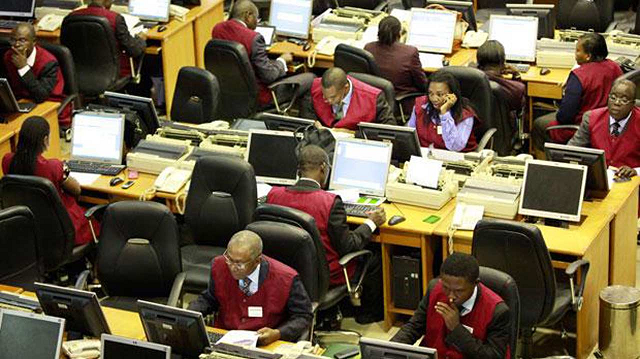
He also cited the student loan programme, expanded credit access for civil servants and the growth of the Nigerian equities market as evidence of increased economic opportunities under the reforms.
Adedeji noted that market capitalisation had increased from about N30 trillion to N150 trillion, while more than one million students had benefited from education loans.
The Issues
The central issue remains whether improvements in government revenue and macroeconomic indicators are translating into improved living conditions for households.
The International Monetary Fund has acknowledged improvements in Nigeria’s fiscal and external positions and greater macroeconomic resilience, but has also highlighted persistent poverty, food insecurity and cost-of-living pressures.
The Fund has warned that higher fuel, food and fertiliser prices could increase government revenues while simultaneously intensifying inflationary pressure on vulnerable households.
Another concern is the adequacy of Nigeria’s social protection system. The IMF has said existing mechanisms may not be sufficient to shield vulnerable households from the immediate effects of economic reforms.
This leaves the government facing the challenge of maintaining fiscal and macroeconomic gains while ensuring that the benefits of increased revenue translate into better household welfare.
What’s Being Said
NRS Chairman, Zacch Adedeji:
“If you remember where we are coming from, if we had not done what we were supposed to do, possibly double that population would have gone into poverty.”
Adedeji said the reforms should be assessed based on the economic conditions inherited by the administration and the progress recorded since then.
He also pointed to increased revenue, student loans, improved state finances, expanded credit and stock-market growth as indicators of economic progress.
What’s Next
The NRS is targeting more than N40 trillion in revenue for 2026, compared with N28.23 trillion collected in 2025.
The performance of the reforms will increasingly be measured not only by revenue mobilisation and macroeconomic stability but also by their impact on inflation, employment, household incomes, poverty and food security.
The government’s ability to convert higher public revenue into infrastructure, social investment and targeted support for vulnerable households will remain central to determining whether the gains cited by the NRS translate into broader economic welfare.
Bottom Line
The NRS says Tinubu’s reforms have strengthened government revenue and prevented a deeper deterioration in poverty, while international assessments continue to flag significant household-level pressures.










, Zacch Adedeji, has defended the Federal Government’s economic reforms, arguing ...)