







By Boluwatife Oshadiya | July 27, 2026
Key Points
- Brent crude fell 5.8% to $86.38 per barrel after the U.S. paused new strikes on Iran
- WTI crude dropped 6.3% as hopes of renewed diplomacy reduced geopolitical risk premiums
- The IEA said China’s nearly 50% reduction in crude imports has helped cushion global energy markets
Main Story
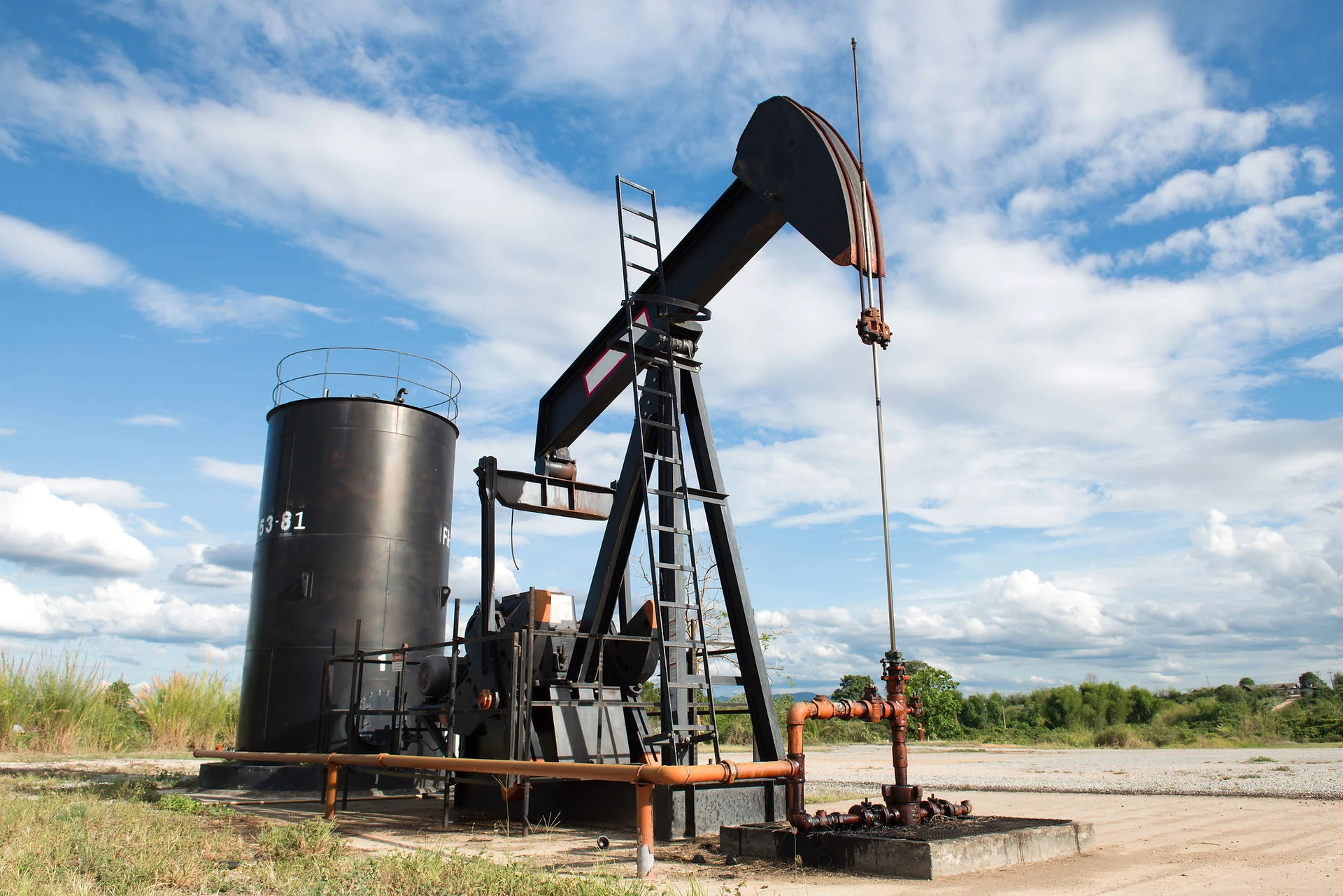
Global oil prices posted their sharpest decline in weeks on Monday after U.S. President Donald Trump halted further military strikes on Iran, easing fears of a wider Middle East conflict that had driven crude prices close to $100 per barrel.

Brent crude settled at $86.38 per barrel, down 5.78% from the previous close of $91.68, while U.S. benchmark West Texas Intermediate (WTI) declined 6.3% to $83.69 from $89.31.
The sharp retreat followed reports that Trump instructed the U.S. military to suspend additional attacks on Iran after nearly two weeks of hostilities, signalling a preference for diplomacy over further escalation.
The decision significantly reduced the geopolitical risk premium that had pushed Brent close to the $100-per-barrel mark last week amid concerns that disruptions through the Strait of Hormuz and the Bab el-Mandeb Strait could threaten global crude supplies.
Adding to the easing market sentiment, the International Energy Agency (IEA) said global oil markets have remained relatively resilient despite the conflict, citing increased production from major exporters including Saudi Arabia, the United Arab Emirates, the United States, Brazil, Venezuela and Kazakhstan.
The agency also noted that China’s crude oil imports have fallen by nearly 50% compared with pre-conflict levels, helping moderate global demand and cushion the impact of higher energy prices.
What’s Being Said
“Crude oil and gas markets have continued to benefit from several cushioning factors, including increased production from major exporters and weaker demand from China,” said Fatih Birol, Executive Director of the International Energy Agency (IEA).
Meanwhile, Iranian Foreign Ministry spokesman Esmaeil Baqaei maintained that conditions for renewed negotiations with Washington remain absent, accusing the United States of undermining diplomacy through its military actions.
What’s Next
- Markets will continue monitoring developments in U.S.-Iran relations for signs of renewed diplomatic talks or further military escalation.
- Investors will closely watch shipping activity through the Strait of Hormuz and Bab el-Mandeb for any disruption to global crude exports.
- Traders are also expected to assess upcoming inventory data and OPEC+ production trends for further direction in oil prices.
Bottom Line: The immediate easing of geopolitical tensions has removed much of the war premium built into crude prices, but oil markets remain highly sensitive. Any renewed disruption to Middle East shipping routes or breakdown in diplomacy could quickly reverse Monday’s losses.