







Nigeria’s solar boom has created a new problem
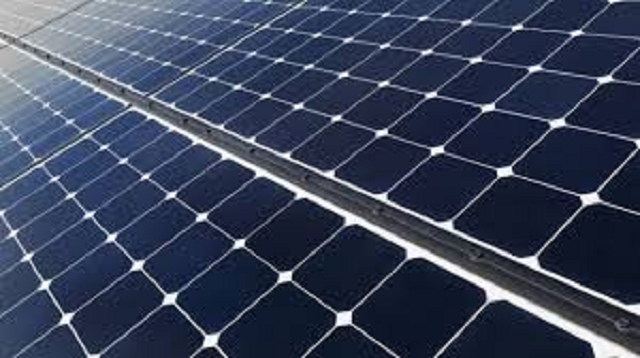
Nigeria’s solar market is growing faster than ever. Rising electricity costs, unreliable grid power and the high cost of diesel have pushed households and businesses toward solar energy. Across the country, more rooftops now carry solar panels than they did just a few years ago.
But alongside that growth has come another market that few people talk about enough: fake and substandard solar products.
For many first-time buyers, the biggest challenge is not deciding whether to switch to solar. It is knowing whether the equipment they are paying for is genuine.
That uncertainty is not without consequences. Across the industry, installers say they are seeing increasing numbers of customers who bought systems that failed far earlier than expected. Some panels never delivered the power they promised. Others developed faults within a short period. In more serious cases, poor-quality materials and badly matched components have contributed to overheating and even fires.
The damage goes beyond the money people lose. Every failed installation makes more Nigerians suspicious of solar technology itself.
Several installers and renewable energy companies interviewed by Bizwatch point to one recurring problem. Many buyers simply do not know what to look for before spending hundreds of thousands, or even millions, of naira.
Here are ten warning signs experts say every buyer should know.
1. The seller cannot prove where the panel came from
One of the simplest ways to identify a fake solar panel is also one of the most overlooked.
Serious manufacturers can show where their products came from. Their panels have proper documentation, serial numbers, warranties and traceable supply chains.
Installer Adedayo Philip Ayegusi says his company avoids buying from open markets for this reason. Instead, he purchases directly from original equipment manufacturers because they are accountable for product quality. If something goes wrong, there is a recognised company that can honour the warranty.
When a seller cannot explain who manufactured the panel, where it came from or who will support it after purchase, buyers should become cautious. A cheap panel without accountability can become an expensive mistake.
2. The panel is advertised with unusually high power for its size
Not every panel labelled 500 watts actually produces 500 watts.
Sunit Arya, who leads the renewable energy division at Simba Solar, says undersized panels have become an increasing problem in the market. According to him, some products are sold as higher-capacity panels even though their actual output is much lower.
To many buyers, the labels appear convincing because the difference is impossible to detect by sight alone. The result is disappointing performance that customers often blame on solar itself rather than on the fake product they purchased.
3. The price looks too good to be true
Solar equipment is expensive because most major components are imported.
Exchange rate fluctuations, shipping costs and import duties all affect prices across the market.
That means genuine products rarely sell at prices that are dramatically lower than everyone else’s. A seller offering the same capacity panel for far below the market average should raise questions. Experts warn that unusually cheap products often turn out to be refurbished panels, rejected factory stock or products with lower specifications than advertised.
Saving money at the point of purchase can lead to much higher costs later through poor performance or early replacement.
4. The panel already has visible cracks or physical damage
A panel does not have to be completely shattered before it becomes unsafe.
Adedayo Philip Ayegusi warns against using cracked panels under any circumstances. Even when the damage appears small, cracks can worsen over time as the panel continues generating electricity. According to him, damaged panels can eventually create faults that increase the risk of overheating.
Some buyers assume minor cracks are harmless because the panel still appears to work. Industry professionals disagree.
Any visible physical damage should be treated as a warning sign rather than a bargain.
5. The installer recommends used or “Tokunbo” panels without proper testing
Nigeria’s market has increasingly seen imported second-hand solar panels sold as affordable alternatives.
The problem is that buyers rarely know the history of those products.
How many years were they used? Why were they removed? What condition are the internal cells in?
Ayegusi says he avoids using second-hand panels because customers cannot verify their previous usage or remaining lifespan. A panel that appears functional today may already be nearing the end of its useful life.
6. The brand has no recognised certifications
Quality manufacturers invest heavily in testing before releasing products into the market.
Arya explains that Simba Solar uses internationally recognised certifications such as IEC, TUV and UL because these products have undergone extensive safety and performance testing. While many customers may not fully understand these certifications, reputable manufacturers are usually willing to explain them and provide documentation.
Panels without recognised certification may still function, but buyers have fewer assurances that they have been independently tested for safety, durability and long-term performance.
7. The seller talks only about price and never about system design
Many customers think buying solar is simply choosing panels. It is not. Solar works as a complete system involving panels, batteries, inverters, cables and protection devices.
Obafemi Osunniyi, a solar installer, said one of the biggest mistakes in the industry is that many people know how to install equipment but do not properly calculate energy demand before selecting system components.
Without those calculations, customers may end up with systems that are either too small for their needs or poorly balanced.
If a seller starts discussing discounts before asking about your electricity usage, appliances or daily power needs, that conversation may already be heading in the wrong direction.
8. The installer cannot explain how the panels will be connected
A quality installation is just as important as quality equipment.
Osunniyi explains that incorrect series and parallel connections can create serious technical problems.
Similarly, Ayegusi notes that using cables that are too small for the amount of electricity flowing through them can eventually generate excessive heat. Good installers should confidently explain how the system will be connected, why certain cable sizes are being used and how the installation has been designed for safety.
If those questions are met with vague answers, buyers should think twice.
9. There is little or no after-sales support
One of the biggest differences between reputable companies and unreliable operators becomes clear only after installation.
According to Arya, serious companies provide customer support, maintenance, monitoring and service engineers who can respond when problems arise. Many poor-quality operators disappear once payment has been received.
If something fails months later, customers are left to solve the problem themselves. Before buying, customers should ask simple questions.
Who handles repairs?
How long is the warranty?
Who pays for replacement if something fails?
A company that struggles to answer these questions may not be planning to support the customer after installation.
10. The provider promises unrealistic performance
Solar has become much more affordable and efficient, but it is not magic.
Businesses and households still need systems that match their actual electricity needs.
Several industry professionals interviewed by Bizwatch stressed that unrealistic promises often lead to disappointed customers.
Some providers oversell what a system can achieve simply to win a contract.
Later, when batteries discharge sooner than expected or appliances cannot all run together, customers conclude that solar itself has failed.
In reality, the problem often began long before installation, when unrealistic expectations replaced honest technical advice.
Bottom Line
Trust remains the industry’s most valuable product
Nigeria’s renewable energy market is expanding rapidly, but trust is growing more slowly.
Every fake panel sold, every poor installation and every exaggerated promise damages confidence in the wider industry.
The interviews conducted by Bizwatch over the past several months reveal a consistent message from installers, engineers and renewable energy companies. The biggest difference between a reliable solar system and a disappointing one is rarely the panel alone. It is the quality of the products, the honesty of the supplier and the professionalism of the installation.
For buyers, the lesson is simple. Choosing solar should never be about finding the cheapest panel available. It should be about finding equipment that will still be producing reliable electricity many years after it has been installed.