







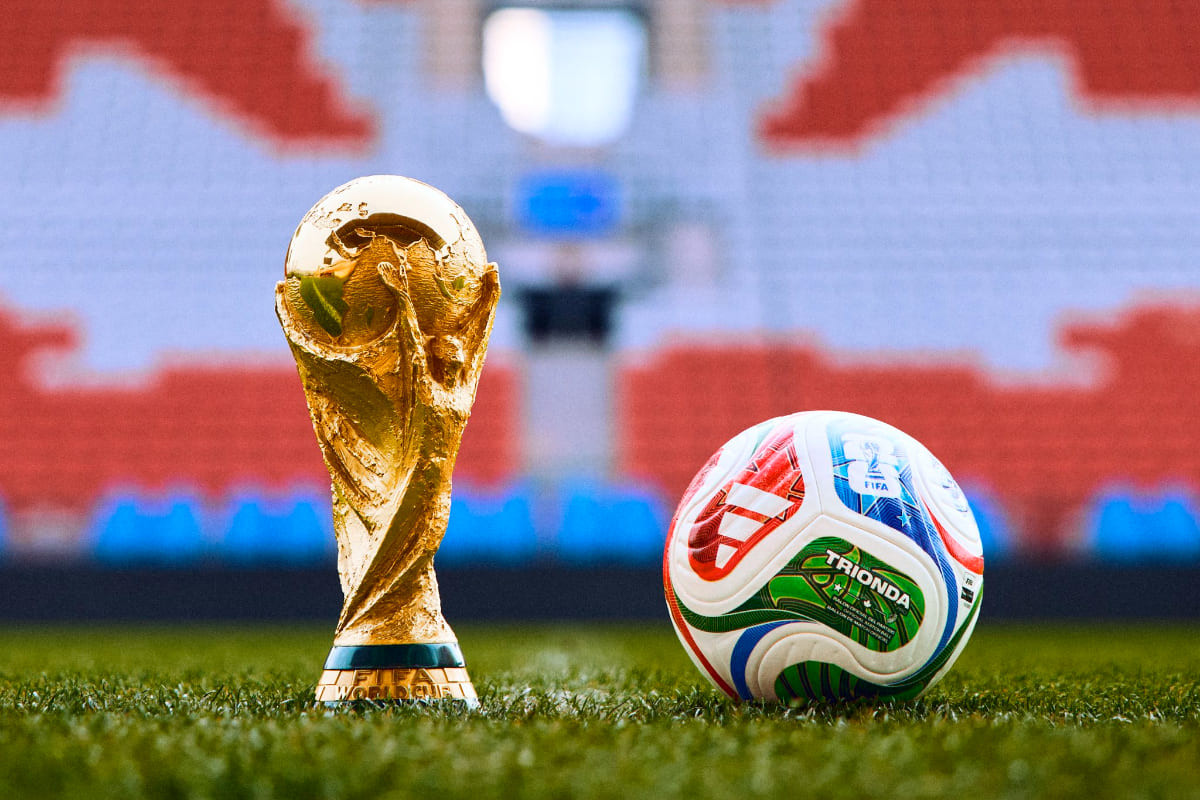
When Spain’s players gathered around the World Cup trophy on Sunday evening, there was no question who had won football’s biggest prize. After edging Argentina in a tense final, they had every reason to celebrate. They were world champions and, as champions, they would also receive the biggest prize money FIFA has ever paid to a winning team.
Spain’s reward of $51 million is enough to fund football programmes in many countries for years. Argentina’s runners-up cheque of $34 million is hardly a consolation prize either. Across the tournament, FIFA shared a record $871 million among the 48 participating nations.
On the surface, it looks like football has never rewarded its players and federations so generously.
Look a little closer and another picture begins to emerge.
The entire prize pool, impressive as it sounds, is only a fraction of what FIFA expects to earn from the tournament. By the end of its current commercial cycle, the organisation projects revenues of more than $13 billion. That money will come from television rights, sponsorship agreements, ticket sales, hospitality packages and licensing deals that were negotiated long before the first ball was kicked in North America.
That raises a question that rarely gets asked when the medals have been handed out.
Who really made the biggest money from the World Cup?
Certainly not Spain.
Not Argentina either.
The biggest winner was the tournament itself.
Every World Cup creates an economy of its own. Airlines fill their seats months in advance. Hotel prices climb in host cities. Restaurants stay open later. Sportswear companies race to produce replica jerseys. Television networks charge advertisers premium rates because they know millions of people will be watching at the same time. Even companies with no connection to football are willing to pay enormous sums simply to place their names alongside the competition.
That is the business FIFA is really in.
Football is the attraction. Attention is the product.
That is why broadcasters fight over television rights years before a tournament begins. It is why global brands sign sponsorship agreements that run into hundreds of millions of dollars. They are not buying ninety minutes of football. They are buying access to one of the few events capable of capturing the attention of the world at the same moment.
For Spain, the tournament ends with a trophy, medals and prize money that will be celebrated for generations.
For FIFA, it ends with another reminder that the World Cup has become much more than a football competition. It is a commercial machine that continues to grow with every edition.
The champions will change four years from now.
The business model probably won’t.