










Key points
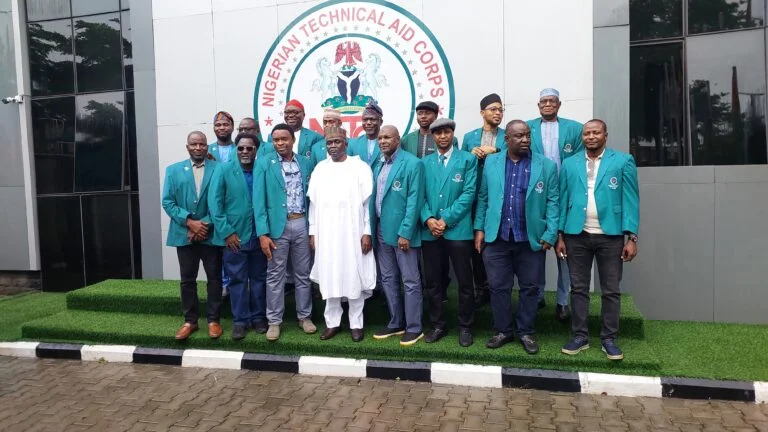
- NTAC has commended 15 volunteers who completed two-year assignments in Uganda.
- The agency credited President Bola Tinubu’s support for sustaining the programme.
- The volunteers served at two Ugandan universities and carried out humanitarian interventions.
- NTAC says it has deployed more than 10,000 Nigerian professionals to over 40 countries since 1987.
Main story

The Nigerian Technical Aid Corps (NTAC) has praised 15 volunteers who recently completed two-year technical assistance assignments in Uganda, describing their service as another example of Nigeria’s growing influence through technical cooperation and diplomacy.
Speaking during a debriefing session, NTAC Director-General Yusuf Yakub said the volunteers’ successful return reflected the Federal Government’s continued commitment to the Technical Aid Corps scheme, which deploys Nigerian professionals to developing countries across Africa, the Caribbean and the Pacific.
He attributed the programme’s sustained success to the support of President Bola Tinubu, noting that the initiative has strengthened Nigeria’s international reputation by exporting skilled manpower to partner countries.
According to Yakub, the returning volunteers served at the Islamic University in Uganda and Kabale University, where they contributed to teaching, research and community development during their assignments.
He also commended a group of volunteers at Kabale University for raising funds to secure the release of an eight-month pregnant woman who had been imprisoned over debt, describing the gesture as an example of service beyond their official responsibilities.
Yakub disclosed that more than 10,000 Nigerian professionals have been deployed to over 40 countries since the establishment of the agency in 1987. He added that several Nigerian volunteers currently serve in senior academic leadership positions, including vice-chancellors, deputy vice-chancellors, deans and heads of department in host institutions.
Some of the returning volunteers described the programme as an effective platform for strengthening South-South cooperation and projecting a positive image of Nigeria abroad.
Professor Peter Ozomba, who served at the Islamic University in Uganda, said the assignment enabled him to extend his teaching, research and community service beyond Nigeria while contributing to educational development in another African country.
Similarly, Dr Fadugba George of the Federal University of Technology, Akure, said the humanitarian intervention carried out by the volunteers reflected the values of compassion and service promoted by the programme. He also urged Nigeria to adopt aspects of Uganda’s approach to agriculture and competency-based education.
The issues
Nigeria’s Technical Aid Corps programme has become a key instrument of the country’s foreign policy, using professional expertise rather than financial assistance to strengthen diplomatic ties, build capacity and deepen cooperation with developing countries.
What’s being said
“They did more than the assignment government gave them. They undertook a humanitarian intervention, which reflects the spirit of service we expect from our volunteers.” — Yusuf Yakub, Director-General, NTAC
What’s next
NTAC says it will continue deploying Nigerian professionals to countries requesting technical assistance while incorporating lessons from the returning volunteers to improve future assignments.
Bottom line
The return of the Uganda contingent highlights the role of Nigeria’s Technical Aid Corps in promoting diplomacy through knowledge sharing, humanitarian service and professional expertise across developing countries.










 has praised 15 volunteers who recently completed two-year technical assistance assignments ...)