


Key points
- The Federal Government has reaffirmed plans to modernise museums nationwide.
- The initiative includes infrastructure upgrades, improved conservation and stronger public engagement.
- Officials say museums are central to preserving Nigeria’s heritage and growing the creative economy.
- The government urged Nigerians to protect their cultural heritage as a tool for national unity.
Main story

The Federal Government has reaffirmed its commitment to transforming museums across the country into modern centres for preserving Nigeria’s cultural heritage and promoting tourism.
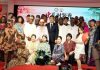
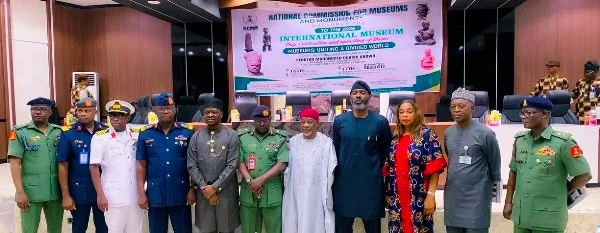
Minister of Art, Culture, Tourism and the Creative Economy, Hannatu Musawa, made the pledge on Thursday during the 2026 International Museum Day celebration organised by the National Commission for Museums and Monuments (NCMM) in Abuja.
Represented by Princess Ginika Nwafor-Orizu, the minister said the government was implementing a comprehensive programme to rehabilitate museum infrastructure, strengthen conservation efforts, improve public access and expand strategic partnerships.
She said the reforms were aimed at preserving Nigeria’s rich cultural heritage while making museums more interactive and accessible to visitors in line with global best practices.
According to Musawa, showcasing the country’s historical artefacts and cultural assets would enhance Nigeria’s appeal as a tourism destination and support the growth of the creative economy.
She added that the Renewed Hope Agenda recognises culture and heritage as key drivers of sustainable development, tourism, job creation and economic growth.
The minister urged stakeholders to work together to ensure museums remain vibrant centres for education, research, innovation and dialogue for future generations.
Also speaking, the Minister of Defence, Gen. Christopher Musa (Rtd), called on Nigerians to embrace their shared heritage as a means of strengthening national unity.
Represented by Musa Likita, the minister said citizens who understood and appreciated their history were better equipped to resist extremism, misinformation and other divisive influences.
He commended the NCMM for its efforts to preserve the nation’s historical sites and cultural treasures.
In his welcome address, NCMM Director-General, Olugbile Holloway, described museums as vital institutions for preserving collective memory and promoting cultural identity.
He said Nigeria’s museums offered significant opportunities to expand tourism by showcasing the country’s rich artistic and historical heritage to both domestic and international visitors.
Holloway added that historical artefacts continued to inspire new generations of creators and innovators.
This year’s International Museum Day celebration, coordinated globally by the International Council of Museums (ICOM), was held under the theme, “Museums: Uniting a Divided World.”
The event featured cultural dance performances, drama presentations and other activities highlighting Nigeria’s diverse cultural heritage.
The issues
Nigeria’s museums face challenges including ageing infrastructure, limited public engagement and inadequate conservation facilities. The government’s modernisation drive seeks to preserve the country’s heritage while positioning museums as major tourism and educational assets.
What’s being said
“Stakeholders must continue to work together to ensure that our museums remain vibrant spaces for education, research, innovation and dialogue.” — Hannatu Musawa, Minister of Art, Culture, Tourism and the Creative Economy
What’s next
The Federal Government is expected to continue implementing museum rehabilitation projects and expand partnerships aimed at improving conservation standards, visitor experiences and cultural tourism across the country.
Bottom line
The government’s renewed focus on modernising museums is designed to preserve Nigeria’s cultural heritage while unlocking new opportunities for tourism, education and the creative economy.