







Key points
- The Federal Government says industrialisation remains central to its economic growth strategy.
- It plans to revive Nigeria’s automotive industry through the National Industrial Policy.
- The policy seeks to boost local manufacturing and develop technical skills.
- Kebbi State has pledged support for the Federal Government’s industrialisation agenda.
Main story
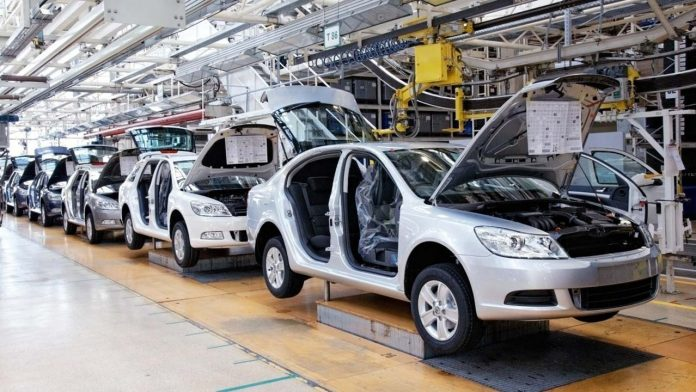
The Federal Government has reaffirmed its commitment to industrialisation as a key driver of economic growth, with renewed focus on reviving Nigeria’s automotive industry through its newly launched National Industrial Policy.
The Minister of State for Industry, Trade and Investment, Sen. John Owan-Enoh, stated this during a courtesy visit to the Deputy Governor of Kebbi State, Sen. Umar Abubakar-Tafida, ahead of an official engagement in the state.
Owan-Enoh said President Bola Tinubu’s administration had prioritised industrial development, leading to the approval of the National Industrial Policy by the Federal Executive Council after decades without a comprehensive framework to guide the sector.
He said the policy, launched in 2026, is designed to reposition Nigeria’s industrial base, strengthen local manufacturing and encourage investment across strategic industries.
The minister identified the automotive industry as one of the policy’s priority sectors, noting that the government aims to create an enabling environment that supports local vehicle assembly and long-term industry growth.
He recalled that Nigeria once had thriving automobile assembly plants but said the sector had declined significantly over the years.
According to him, rebuilding the automotive industry would have wider economic benefits by stimulating growth across related sectors and strengthening the country’s industrial value chain.
Owan-Enoh also stressed the importance of developing skilled manpower to support the sector, adding that the ministry was implementing programmes to build the technical capacity required for sustainable industrial growth.
Responding, Kebbi State Deputy Governor Umar Abubakar-Tafida welcomed the Federal Government’s industrialisation drive and pledged the state’s continued collaboration with relevant agencies to advance economic development.
He said Kebbi remained committed to supporting initiatives that would strengthen the state’s economy, expand industrial activities and create opportunities for residents.
The issues
Nigeria’s manufacturing sector has long struggled with inadequate infrastructure, limited access to finance, unreliable power supply and declining industrial capacity. The Federal Government hopes the National Industrial Policy will provide a coordinated framework for rebuilding key industries and boosting domestic production.
What’s being said
“The objective of this administration is to revitalise the automotive sector and encourage greater local participation in vehicle assembly and related industries.” — Sen. John Owan-Enoh, Minister of State for Industry, Trade and Investment
What’s next
The Federal Government is expected to roll out programmes under the National Industrial Policy, including initiatives to strengthen local manufacturing capacity, develop technical skills and attract investment into priority sectors such as automotive production.
Bottom line
The Federal Government is betting on industrialisation, particularly the revival of the automotive industry, to expand manufacturing, create jobs and accelerate Nigeria’s economic transformation.