








Key points
- COSET called for stronger environmental protection and justice for communities affected by pollution and climate change.
- Environmental advocates described climate change as a human rights and security issue threatening livelihoods in the Niger Delta.
- Amnesty International urged urgent action to investigate and stop the suspected gas leakage in Rivers State’s Bille community.
- Speakers called for environmental restoration, renewable energy investment and greater accountability from oil companies.
Main story
A Coalition for Socio-Ecological Transformation of Nigeria (COSET) has called on governments, lawmakers, civil society organisations and host communities to strengthen environmental protection and ensure justice for victims of pollution and climate change.
The call was made during the three-day Niger Delta Climate Change Conference organised by COSET in collaboration with Oilwatch International, the Lekeh Development Foundation and the Friedrich Ebert Stiftung in Port Harcourt.
Speaking at the conference, Executive Director of the Health of Mother Earth Foundation, Nnimmo Bassey, said climate change and persistent environmental pollution had become major threats to the survival, security and livelihoods of communities across the Niger Delta.
Presenting a paper titled “The Niger Delta at a Crossroads: Climate, Conflict and Survival,” Bassey argued that climate change should be treated as a human security issue rather than simply an environmental challenge.
He said its effects extended beyond rising temperatures to include health risks, food insecurity, loss of livelihoods and threats to human dignity.
Bassey urged governments to prioritise environmental restoration, climate resilience and sustainable development while encouraging host communities to remain united in demanding environmental justice.
Also speaking, Executive Director of We the People (WTP), Ken Henshaw, described climate change as a human rights issue, saying pollution, gas flaring and oil spills continued to worsen inequality, insecurity and poverty in the Niger Delta.
He noted that although Africa contributes the least to global greenhouse gas emissions, it suffers some of the most severe consequences of climate change.
Henshaw criticised multinational oil companies for leaving behind polluted sites without proper remediation or decommissioning and called for greater transparency in divestment agreements to ensure environmental liabilities are addressed.
He also advocated increased investment in renewable energy, agroecology and indigenous knowledge systems instead of continued dependence on fossil fuel extraction.
In addition, Henshaw called for reparations and environmental restoration to address decades of ecological damage in the Niger Delta and urged stakeholders to use the Niger Delta Manifesto for Ecological Justice as a framework for advancing environmental justice, climate resilience and human rights.
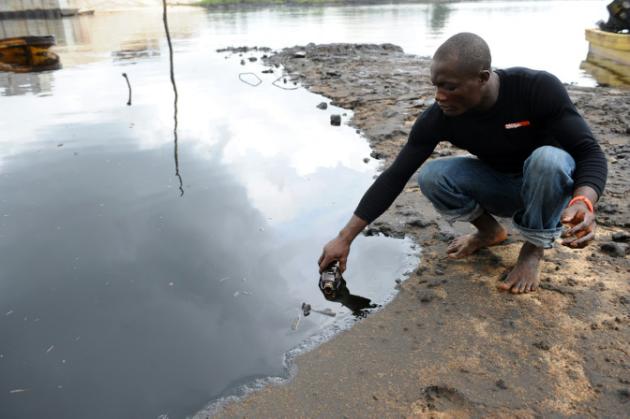
Human rights researcher with Amnesty International, Mark Dummett, also called for urgent government intervention over the suspected gas leakage in Bille Community, Rivers State.
Dummett described the incident as one of the worst pollution cases he had witnessed, saying methane gas bubbling through water wells had exposed residents to serious health risks, including skin rashes and deteriorating eyesight.
He urged the Federal Government, Shell Plc and the Nigerian Upstream Petroleum Regulatory Commission (NUPRC) to identify the source of the leakage and stop further pollution.
According to him, the leak could be linked to poorly decommissioned oil infrastructure, stressing that both operators and regulators have a responsibility to protect the health, lives and environment of affected communities.
The issues
The Niger Delta continues to face severe environmental challenges arising from oil exploration, gas flaring, oil spills and climate change. Environmental advocates argue that stronger enforcement of environmental standards, restoration of polluted ecosystems and greater accountability from governments and oil companies are essential to protecting communities and promoting sustainable development.
What’s being said
“Climate change should be viewed as a human security challenge affecting health, food security, livelihoods and dignity.” — Nnimmo Bassey, Executive Director, Health of Mother Earth Foundation
“The leak could be linked to poorly decommissioned oil infrastructure, and operators and regulators have a responsibility to safeguard affected communities.” — Mark Dummett, Human Rights Researcher, Amnesty International
What’s next
Participants called for stronger environmental governance, urgent action on pollution incidents such as the suspected gas leakage in Bille, and increased investment in climate resilience and renewable energy as part of broader efforts to address ecological challenges in the Niger Delta.
Bottom line
Environmental advocates are pushing for climate action in the Niger Delta to move beyond policy commitments to concrete measures that restore damaged ecosystems, protect vulnerable communities and hold polluters accountable.



 has called on governments, lawmakers, civil society ...)