





Key points
- The Minister of State for Petroleum Resources has directed marketers to reduce fuel prices following the decline in global oil prices.
- He said the easing of tensions between Iran and the United States should translate into lower PMS prices.
- Lokpobiri warned marketers against profiteering under the deregulated petroleum market.
- He urged regulators to prioritise regulatory certainty to attract long-term investment.
- The minister also stressed the need to ensure consumers receive the correct quantity of fuel at filling stations.
Main story
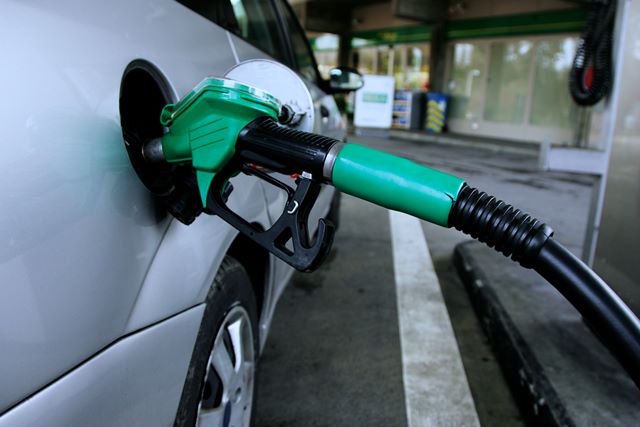
The Minister of State for Petroleum Resources, Sen. Heineken Lokpobiri, has directed petroleum marketers to immediately reduce the pump prices of Premium Motor Spirit (PMS) and other petroleum products to reflect the recent decline in global crude oil prices.
Lokpobiri gave the directive at the 2026 Nigerian Midstream and Downstream Petroleum Regulatory Authority (NMDPRA) General Counsel and Legal Advisers Forum in Abuja.
He said the de-escalation of tensions between Iran and the United States had lowered global oil prices, making it necessary for marketers to adjust pump prices accordingly.
The minister expressed concern that the expected price reduction had yet to be reflected at filling stations, warning that marketers should not exploit the deregulated market to make excessive profits.
He said although market forces would eventually restore price equilibrium, regulators had a statutory responsibility under the Petroleum Industry Act (PIA) 2021 to prevent profiteering and protect consumers.
Lokpobiri also urged regulators to shift their focus beyond compliance by creating a clear, consistent and predictable regulatory environment capable of attracting long-term investments.
According to him, while compliance remains important, investors are increasingly interested in jurisdictions that offer policy stability and regulatory certainty.
He said President Bola Tinubu’s decision to fully deregulate the downstream petroleum sector had paved the way for the operationalisation of the Dangote Refinery and other refining projects while eliminating the recurring fuel shortages experienced in the past.
The minister noted that petroleum products had remained available nationwide since the reform despite recent geopolitical tensions involving Iran, Israel and the United States.
He also called on regulators to ensure consumers receive the exact quantity of fuel they pay for, stressing that accurate measurement was a key aspect of consumer protection.
Lokpobiri described legal advisers in the petroleum sector as strategic partners whose responsibilities extend beyond interpreting laws to supporting investment decisions, regulatory reforms and national development.
He said Nigeria’s petroleum industry was entering a new phase marked by expanding domestic refining capacity, greater private sector participation and emerging opportunities across the midstream and downstream sectors.
The issues
Although Nigeria’s downstream petroleum sector is now fully deregulated, concerns remain over how quickly changes in international crude oil prices are reflected at the pumps. Consumer groups have repeatedly questioned delays in price reductions, while industry operators argue that exchange rates, logistics costs and existing inventories also influence domestic fuel prices.
What’s being said
“With the de-escalation of tensions between Iran and the United States, there was an expectation that the prices of PMS and other petroleum products would be adjusted downward accordingly.” — Sen. Heineken Lokpobiri
“When someone pays for 10 litres of PMS, they should receive exactly 10 litres, not less.” — Sen. Heineken Lokpobiri
What’s next
Attention will now turn to petroleum marketers to see whether they adjust pump prices in line with the minister’s directive. Regulators are also expected to intensify market monitoring to ensure fair pricing, accurate fuel dispensing and compliance with the Petroleum Industry Act.
Bottom line
The Federal Government says falling global oil prices should translate into lower fuel prices for Nigerians, warning marketers against profiteering while pushing for stronger regulatory certainty to sustain investment in the petroleum sector.