Key points
- Electricity distribution companies (DISCOs) recorded strong revenue growth throughout 2025 despite only modest improvements in electricity supply.
- Total electricity customers rose to 12.16 million in Q4 2025, while metered customers increased to 6.97 million.
- Revenue growth was driven mainly by tariff reforms, improved collections and expanded metering rather than higher electricity generation.
- The sector continues to face structural challenges, including generation shortfalls, transmission bottlenecks, grid instability and millions of unmetered customers.
Main story
Nigeria’s electricity distribution sector became significantly stronger financially in 2025, but consumers saw only modest improvements in electricity supply, according to the National Bureau of Statistics (NBS).
The bureau’s Nigeria Electricity Distribution Reports covering the third quarter of 2024 through the fourth quarter of 2025 show that distribution companies (DISCOs) consistently increased their revenues even as electricity supplied remained relatively stable.
According to the reports, total electricity customers increased from 12.03 million in the third quarter of 2025 to 12.16 million in the fourth quarter, representing a 1.11 per cent quarter-on-quarter increase. However, customer numbers were 8.52 per cent lower than the 13.30 million recorded in the corresponding period of 2024, reflecting a statistical revision undertaken earlier in the year.
Meter deployment continued to improve, with the number of metered customers rising from 6.66 million in Q3 2025 to 6.97 million in Q4 2025, representing a 4.58 per cent quarterly increase and a 12.18 per cent increase from 6.21 million recorded in Q4 2024.
The reports indicate that tariff adjustments, improved billing systems, stronger revenue collection and gradual expansion of prepaid metering contributed more to the sector’s financial performance than increased electricity production.
Electricity supplied throughout the review period fluctuated only within a narrow range, suggesting that Nigeria did not experience any major expansion in electricity availability despite stronger financial results recorded by distribution companies.
The NBS reports also show that customer registration continued to expand while utilities gradually reduced reliance on estimated billing through increased meter installations, although millions of consumers remain without prepaid meters.
Revenue continued reaching new highs throughout 2025, reflecting improved commercial performance by DISCOs, better payment recovery mechanisms and expanding customer bases.
The reports also highlighted varying performance across distribution companies, with operators serving major urban centres generally generating significantly higher revenues than regional operators due to larger customer bases, stronger commercial demand and better collection rates.
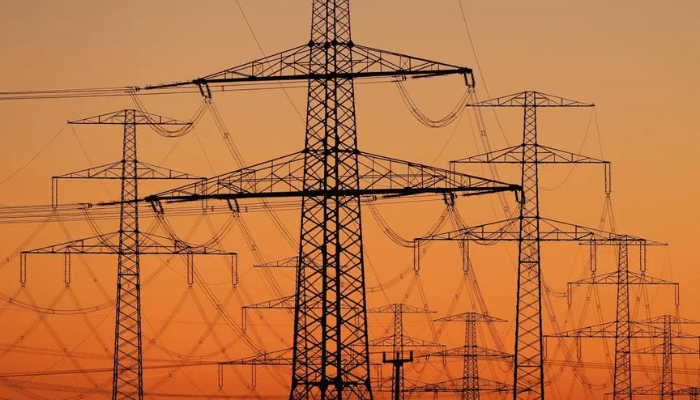
However, the sector continued to grapple with longstanding structural constraints, including inadequate electricity generation, transmission limitations, technical and commercial losses, infrastructure deficits and grid instability.
The bureau noted that while commercial efficiency improved considerably, financial gains alone would not resolve Nigeria’s electricity challenges without sustained investments in generation, transmission and distribution infrastructure.
The issues
Nigeria’s electricity market has shifted from one primarily focused on revenue recovery to one increasingly challenged to translate financial improvements into better electricity supply. While tariff reforms, stronger billing and improved collections have strengthened the financial position of distribution companies, electricity generation and transmission capacity have not expanded at the same pace. As a result, consumers are paying more for electricity without experiencing comparable improvements in reliability and availability.
What’s being said
“Total customer numbers in Q4 2025 stood at 12.16 million, up from 12.03 million in Q3 2025, representing a 1.11% quarter-on-quarter increase.” — National Bureau of Statistics
“Metered customers reached 6.97 million in Q4 2025, representing a 4.58% increase from 6.66 million recorded in the preceding quarter.” — National Bureau of Statistics
What’s next
Future improvements in the electricity sector are expected to depend less on additional tariff adjustments and more on sustained investments in generation capacity, transmission infrastructure, grid modernisation and accelerated metering programmes aimed at reducing estimated billing and improving service delivery.
Bottom line
Nigeria’s electricity distribution companies ended 2025 in a stronger financial position, but the sector’s biggest challenge remains converting improved revenues into significantly more reliable, affordable and widely available electricity for households and businesses.