










Key points
- Nigeria Customs Service has intensified nationwide sensitisation ahead of the July 1 implementation of the Green Tax Surcharge.
- The Green Tax is aimed at reducing carbon emissions and encouraging the importation of cleaner vehicles.
- The Federal Government has reduced vehicle import levies from 20% to 10% and cut duties on used vehicles from 15% to 5% to cushion the policy’s impact.
- Customs says the new tax will be implemented through a simplified HS Code declaration system.
- Stakeholders have called for continued public awareness to ensure smooth implementation.
Main story
The Nigeria Customs Service (NCS) has intensified its nationwide sensitisation campaign ahead of the July 1 implementation of the Green Tax Surcharge, as part of efforts to prepare importers, freight forwarders and other stakeholders for the new environmental policy.
The sensitisation exercise, held at the Apapa Area Command in Lagos, brought together Customs officers, licensed customs agents, importers and freight forwarders to explain the objectives and implementation process of the new tax.
Representing the Comptroller-General of Customs, Bashir Adeniyi, the Zonal Coordinator for Zone A, Mohammed Babadende, said the campaign was designed to eliminate uncertainty, encourage voluntary compliance and ensure uniform implementation across Customs commands.
According to him, the Green Tax supports Nigeria’s commitment to environmental sustainability by promoting the importation of cleaner vehicles and reducing carbon emissions.
The Comptroller in charge of Tariff, System Audit and Coordination, Murtala Muazu, explained that the Green Tax differs from conventional fiscal measures and would operate through a dedicated assessment process using the HS Code declaration platform.
He also disclosed that the Federal Government had introduced fiscal adjustments to soften the impact of the policy, including reducing vehicle import levies from 20 per cent to 10 per cent and lowering duties on used vehicles from 15 per cent to five per cent.
Area Controllers at the event urged importers and customs agents to support the initiative, saying the reduction in import charges would ease the cost of doing business, facilitate legitimate trade and ultimately lower transportation costs.
Stakeholders welcomed the policy but called for sustained public enlightenment to ensure wider understanding and compliance before the rollout date.
The issues
Nigeria is introducing the Green Tax as part of broader efforts to align with global environmental standards and encourage cleaner transportation. However, the success of the policy will depend on adequate stakeholder awareness, seamless implementation and balancing environmental objectives with the cost of vehicle imports.
What’s being said
“This sensitisation is designed to ensure that every stakeholder clearly understands the policy before implementation.” — Mohammed Babadende
“Our objective is to eliminate uncertainty, promote voluntary compliance and guarantee uniform application of the Green Tax Surcharge across all commands.” — Mohammed Babadende
What’s next
The Green Tax Surcharge is scheduled to take effect on July 1, 2026. Customs is expected to continue stakeholder engagement and public awareness campaigns while monitoring compliance as the policy is rolled out nationwide.
Bottom line
Nigeria Customs is stepping up preparations for the Green Tax rollout, combining stakeholder sensitisation with lower import levies to encourage compliance while advancing the country’s environmental and trade objectives.

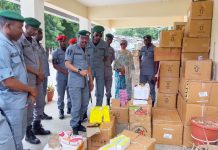



 has intensified its nationwide sensitisation campaign ahead of the July 1 implementation of the Green ...)