





By Boluwatife Oshadiya | June 23, 2026
Key Points
- Naira appreciated to ₦1,369.11 per dollar in the official foreign exchange market
- Nigeria’s external reserves climbed above $51 billion, the highest level since 2009
- Improved forex liquidity pushed interbank turnover up more than 63%
Main Story
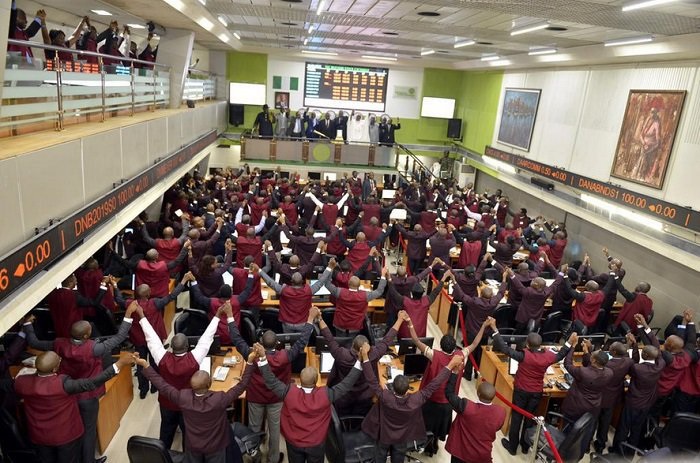
The naira strengthened against the U.S. dollar on Monday as Nigeria’s foreign exchange reserves surpassed the $51 billion mark for the first time in more than 15 years.
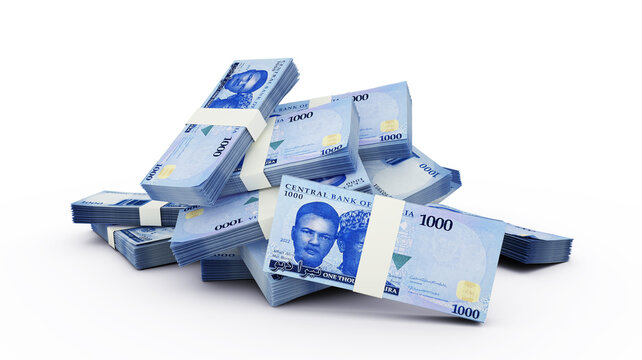
Data released by the Central Bank of Nigeria (CBN) showed the official exchange rate closed at ₦1,369.11 per dollar, compared with ₦1,370.46 at the previous session. The appreciation came amid improved liquidity conditions in the Nigerian Foreign Exchange Market (NFEM).
Interbank foreign exchange turnover surged to $65.21 million, representing an increase of more than 63% from the previous session’s $39.90 million. Market participants traded the dollar within a range of ₦1,368 to ₦1,373 during the session.
Nigeria’s external reserves rose to $51.06 billion, their highest level since 2009. Analysts attribute the increase to stronger crude oil receipts, improved production levels, reduced import-related pressures, and sustained foreign exchange reforms.
Global oil prices declined after reports emerged that U.S. and Iranian negotiators had agreed on a roadmap toward a broader peace settlement. Brent crude futures fell more than three per cent to around $77 per barrel, easing concerns about potential supply disruptions.
The improved reserve position provides additional support for exchange rate stability and strengthens the country’s external liquidity buffer.
The Issues
The naira’s recent stability reflects broader reforms introduced by the CBN to improve transparency and liquidity in the foreign exchange market. However, maintaining exchange rate stability remains closely tied to oil export earnings, which continue to account for a significant share of Nigeria’s foreign currency inflows. A sustained decline in global oil prices could test the resilience of recent gains in reserves and liquidity.
What’s Being Said
“The continued build-up in reserves provides a stronger buffer against external shocks and supports confidence in Nigeria’s foreign exchange market,” analysts at CSL Stockbrokers said.
“Improved market liquidity has contributed significantly to exchange rate stability despite limited direct intervention by the central bank,” said economists at Meristem Securities.
What’s Next
- Investors will monitor future CBN foreign exchange policy decisions.
- Market participants are expected to track movements in global oil prices closely.
- Analysts will assess whether reserve growth can be sustained through the second half of the year.
The Bottom Line:
The combination of a stronger naira and record-high external reserves signals improving confidence in Nigeria’s foreign exchange market. Sustaining those gains, however, will depend largely on continued oil revenue strength and disciplined monetary management.