







Key points
- Federal Ministries, Departments, and Agencies (MDAs) spent N220 billion on alternative energy deployments over a 15-month period.
- The clean-energy spending drive is driven by a desire to escape high Band A electricity tariffs and a weak national grid.
- The Federal Ministry of Agriculture and Food Security emerged as the leading spending body, investing N19.2 billion.
- Year-end accounting spikes were recorded in December 2025 alone, accounting for N69.5 billion of the total capital layout.
- Investigations uncovered corporate registry irregularities, with top private-sector contract beneficiaries appearing inactive on state company portals.
Main Story

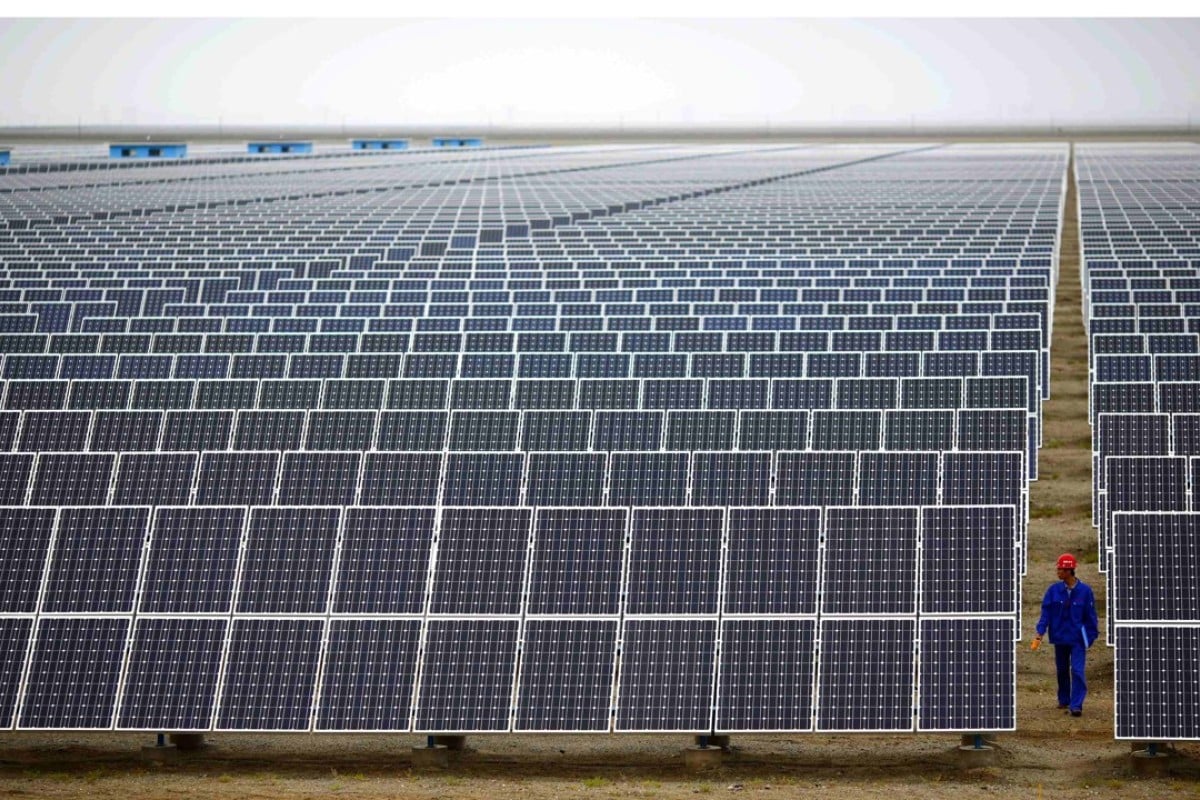
A comprehensive analysis of public treasury data has revealed that Nigerian public institutions are aggressively divesting from the national electricity grid, pouring N220 billion into independent solar infrastructure over a 15-month window.
This widespread energy migration, tracked across thousands of state payment records from early 2025 through the first quarter of 2026, stems from a collective push by administrators to insulate their operations from a fragile centralized power grid, steep utility tariffs, and soaring fuel prices. With the country’s central power network routinely hovering at a faction of required capacity, public entities are increasingly opting for decentralized renewable alternatives.
The transaction data underscores a highly uneven distribution of green energy spending across the bureaucratic landscape. Leading the procurement wave is the agricultural sector, where the Ministry of Agriculture and Food Security deployed over nineteen billion Naira across more than one hundred individual contracts. Other substantial capital allocations came from the Energy Commission of Nigeria and the Rural Electrification Agency.
Interestingly, a significant portion of this solar financing originated from statutory bodies that have no operational ties to national power planning, including agricultural research institutes, specialized medical centers, and executive administrative offices.
Beyond the sheer volume of the infrastructure rollouts, the tracking records point to stark irregularities in contract distribution and seasonal budget management. Private procurement analysis shows that billions of Naira in high-value solar projects were concentrated among a tight cluster of vendors, some of which show up as completely dormant or unlisted on national corporate registry portals.
Furthermore, a massive portion of the total fifteen-month expenditure occurred in December 2025 alone. This dramatic end-of-year accounting spike suggests a systemic push by various agencies to completely drain their outstanding annual budget lines before statutory deadlines closed.
The Issues
- Mitigating structural transparency gaps arising from high-value infrastructure contracts being awarded to inactive entities lacking verifiable beneficial owners.
- Rectifying budget distortions created by sharp year-end spending surges to exhaust outstanding fiscal allocations before deadlines.
- Addressing the financial strain on national grid operators as major government agencies migrate to solar power while owing massive outstanding bills.
What’s Being Said
- Outlining the extensive debt burden choking power distributors due to delayed public utility settlements, the Chief Executive Officer of the Association of Nigerian Electricity Distributors, Sunday Oduntan, had confirmed that while some DisCos were owed over N60 billion, MDAs owed over N100 billion as of November 2025.
What’s Next
- Anti-graft agencies and fiscal watchdogs are expected to investigate the corporate registry status of inactive private contractors who received high-value solar awards.
- Electricity distribution firms will likely intensify legal and administrative steps to recover outstanding debt from off-grid migrating MDAs.
- Public infrastructure committees will track whether the massive volume of solar streetlights and standalone arrays are properly maintained across various recipient communities.
Bottom Line
Nigeria’s federal institutions have diverted N220 billion into solar systems to bypass high tariffs and grid failures, though the procurement drive faces scrutiny over year-end budget dumping and billions awarded to inactive corporate contractors.