






By Boluwatife Oshadiya | May 26, 2026
Key Points
- Tomato, pepper, ram and goat prices have risen sharply across major Lagos markets ahead of Eid-el-Kabir
- Traders blame insecurity, high transportation costs and supply shortages for persistent price volatility
- Rice prices have eased slightly due to improved supply despite rising retail operating costs
Main Story
Food and livestock prices have climbed sharply across major markets in Lagos as Muslim families intensify preparations for the Eid-el-Kabir celebration, raising concerns over affordability and household spending during the festive period.
A market survey conducted by the News Agency of Nigeria across Mushin, Aguda and Bode Thomas markets showed that while rice prices have moderated compared to last year, fresh produce and livestock continue to experience significant inflation driven by transportation costs, insecurity along supply routes and increased festive demand.
At Mushin Market, rice dealer John Jerome said long-grain rice now sells between ₦63,000 and ₦65,000 per bag, down from between ₦75,000 and ₦85,000 during the same period last year. Short-grain rice also declined to between ₦52,000 and ₦53,000 from about ₦60,000 to ₦65,000 previously.
“The way goods enter the market determines the price. Once supply improves, prices naturally reduce,” Jerome said.
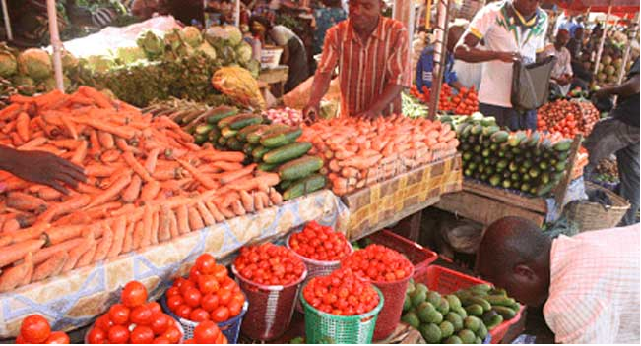
However, traders said tomato and pepper prices remain highly unstable. Emmanuel Suni, a pepper seller at Mushin Market, said baskets of tomatoes now sell between ₦75,000 and ₦100,000, compared to between ₦30,000 and ₦60,000 earlier in the year.
According to him, “rodo” pepper now costs about ₦22,000 per partially-filled kwatanla nylon bag, while “Bawa” pepper has surged from between ₦10,000 and ₦20,000 to as high as ₦55,000.
At Aguda Market, traders said the volatility has worsened due to supply shortages from northern Nigeria, where most fresh produce transported into Lagos originates.
“The market is very unstable now. Prices change within two days. Rodo is the most expensive because demand is high and supply is low,” trader Iya Ibeji said.
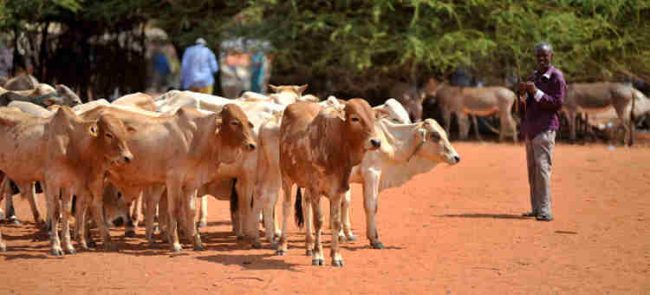
Livestock prices have also surged ahead of the celebration. At Bode Thomas Market, ram prices now range between ₦550,000 and ₦700,000, compared to between ₦250,000 and ₦450,000 previously, according to livestock dealer Umaru. Goats now sell between ₦250,000 and ₦350,000, while cows start from about ₦1.3 million.
“The insecurity on the road affects everything. Transporters charge more now, and bringing animals into Lagos is more difficult than before,” Umaru said.
The latest increases come amid broader food inflation pressures across Nigeria. Data from the National Bureau of Statistics recently showed that food inflation remains one of the strongest drivers of the country’s elevated cost-of-living crisis, despite some easing in headline inflation.
The Issues
The price surge highlights Nigeria’s continued dependence on fragile agricultural supply chains vulnerable to insecurity, fuel costs and logistics disruptions. Many of the livestock and agricultural products consumed in Lagos are transported from northern states, where attacks on farming communities and transportation corridors have affected production and distribution.
The pressure is also linked to elevated transport costs following fuel subsidy reforms and currency volatility, both of which continue to affect traders’ operating expenses. Seasonal festive demand traditionally pushes prices higher during Eid-el-Kabir, but traders say this year’s increases are more severe due to persistent supply shortages.
What’s Being Said
“We have to include transportation and a small profit before selling. We cannot sell at the exact price we bought it,” said trader Iya Favour at Aguda Market.
Economic analysts have also warned that persistent food inflation could further weaken consumer purchasing power, particularly among low- and middle-income households already struggling with rising living costs.
Residents who spoke to NAN said many families are adjusting celebration plans and considering cheaper alternatives as prices continue to rise ahead of the festival.
What’s Next
- Eid-el-Kabir celebrations are expected to further increase demand for livestock and fresh produce over the coming days
- Traders anticipate continued price volatility until post-festival supply pressures ease
- Market observers are watching whether improved food supply chains and harvest inflows could moderate prices in June
Bottom Line
The Bottom Line: Nigeria’s festive food inflation problem is increasingly exposing deeper structural weaknesses in the country’s agricultural logistics network. While rice prices show signs of stabilisation, rising livestock and fresh produce costs suggest that transportation challenges and insecurity remain major threats to food affordability ahead of key national celebrations.