









Key points
- APC National Chairman, Prof. Nentawe Yilwatda, says Tinubu’s reforms are yielding early signs of economic recovery.
- He cites rising trade activity, improved oil production, and power sector gains as key indicators.
- Government acknowledges current economic hardship but insists reforms are long-term and structural.
Main story

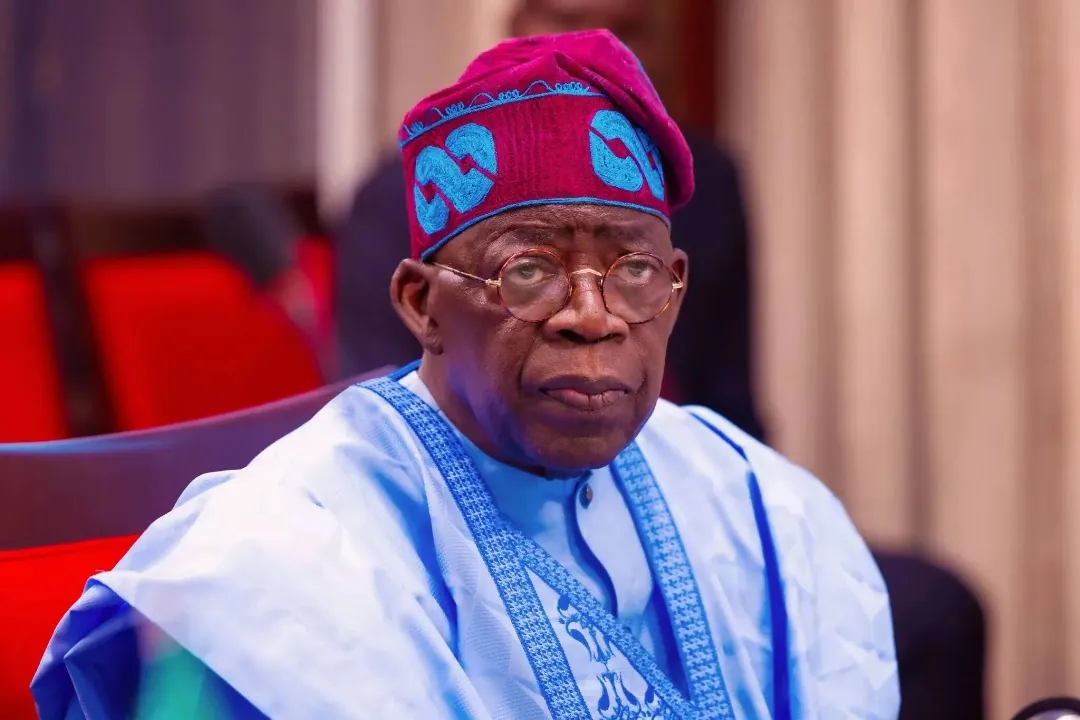
The National Chairman of the All Progressives Congress (APC), Prof. Nentawe Yilwatda, has said that President Bola Tinubu’s economic reforms are gradually steering Nigeria towards sustainable growth, improved productivity, and national renewal.
Yilwatda gave the assurance in a statement issued in Abuja on Sunday and signed by his Special Adviser on Media and Information Strategy, Mr Abimbola Tooki.
He said early indicators of economic recovery are already emerging, pointing to increased international trade confidence, sectoral growth, rising investments, improved foreign reserves, macroeconomic stability, and renewed momentum in the agricultural sector.
According to him, the Renewed Hope Agenda was never intended as a short-term populist intervention but a long-term structural reform programme aimed at repositioning the Nigerian economy.
Yilwatda explained that the reforms are designed to correct decades of structural weaknesses that undermined productivity, discouraged investment, and reduced Nigeria’s global competitiveness.
He acknowledged the economic hardship currently being experienced by citizens, particularly rising inflation and cost-of-living pressures. Still, he maintained that the Federal Government is responding through targeted interventions, infrastructure development, and support for key productive sectors.
He further noted that several performance indicators already suggest an improvement in investor confidence and increased economic activity across various sectors.
One of the key highlights, he said, is the maritime sector performance report showing that Nigerian ports handled 1,092 ocean-going vessels in the first quarter of 2026, which he described as evidence of rising trade and export activity.
He also cited improvements in crude oil production, which he said had reached about 99.2 per cent of Nigeria’s Organisation of Petroleum Exporting Countries (OPEC) production quota, attributing this to better security coordination and operational efficiency.
In the power sector, Yilwatda referenced the commissioning of new 330kV transmission lines in Edo State and the addition of 600 megawatts to the national grid, describing it as a significant step toward strengthening industrial capacity and electricity supply.
He added that growing investor interest in manufacturing, energy, and automotive spare parts production signals a gradual repositioning of the economy towards long-term self-reliance and competitiveness.
The issues
Nigeria’s ongoing economic reforms have continued to generate debate amid persistent inflation, high living costs, and currency pressures. While the government promotes structural reforms as necessary for long-term stability, citizens continue to feel the immediate impact of adjustment policies on household incomes and purchasing power.
What’s being said
Yilwatda maintained that the reforms are “strategic and long-term,” stressing that great nations are built through difficult but necessary decisions. He said current economic policies are laying the foundation for a more stable and productive Nigeria.
He also argued that rising port activity, improved oil output, and infrastructure expansion demonstrate that the reforms are beginning to yield measurable results.
What’s next
The APC leadership says the Federal Government will continue implementing policies aimed at stabilising the economy, attracting investment, expanding infrastructure, and supporting local industries. Further reforms in energy, trade facilitation, and industrial production are expected to remain central to the administration’s economic agenda.
Bottom line
While acknowledging current economic hardship, the APC insists that Tinubu’s reform agenda is beginning to show early signs of recovery, with government officials projecting long-term gains in productivity, stability, and national prosperity.






, Prof. Nentawe Yilwatda, has said that President Bola Tinubu’s ...)