







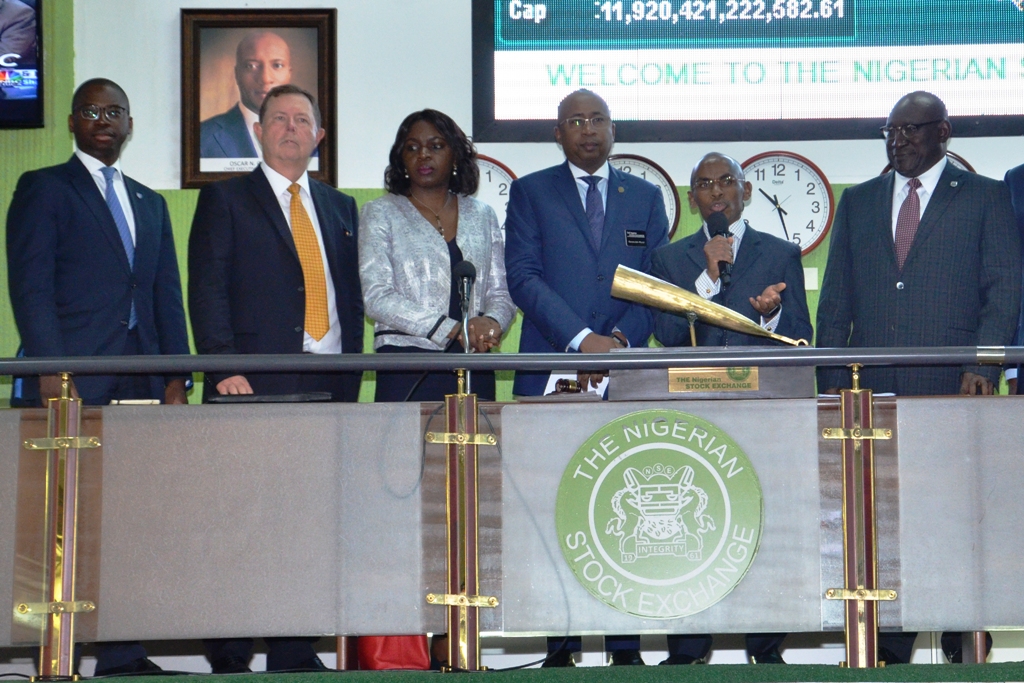
The Securities and Exchange Commission (SEC) has disclosed it’s currently working on revising the 10-year Capital Market Masterplan, which would launched this year (2022).
According to Lamido Yuguda, the Director-General (DG) of SEC, who made this disclosure, the need to revise the 10-year Capital Market Masterplan became pertinent in order to reflect the dynamism of the market, developments in financial technology, among others.
Expressing confidence that the results of the various initiatives implemented would begin to gradually manifest, spurring developments in many aspects of the market, the SEC DG, in his New Year message, said the commission would organise a capital market conference, where the revised 10-year Capital Market Masterplan would be launched.
His words: “As we expect improvements in both economic and capital market activities, we must remain committed to developing the market in line with the 10-year master plan.
“Some of the key initiatives to be pursued in 2022 are as follows: the repeal of the Investment and Securities Act 2007 and passing of the Investment and Securities Bill 2021 to align the enabling law with the realities and trends in capital market regulation and practice in Nigeria.
“In conjunction with the NASD Platform, provide the necessary incentives and support to attract SMEs to get listed. Already, rules on crowdfunding to encourage new funding sources for the SMEs have been developed.”
Are foreign investors dumping the Nigerian capital market?
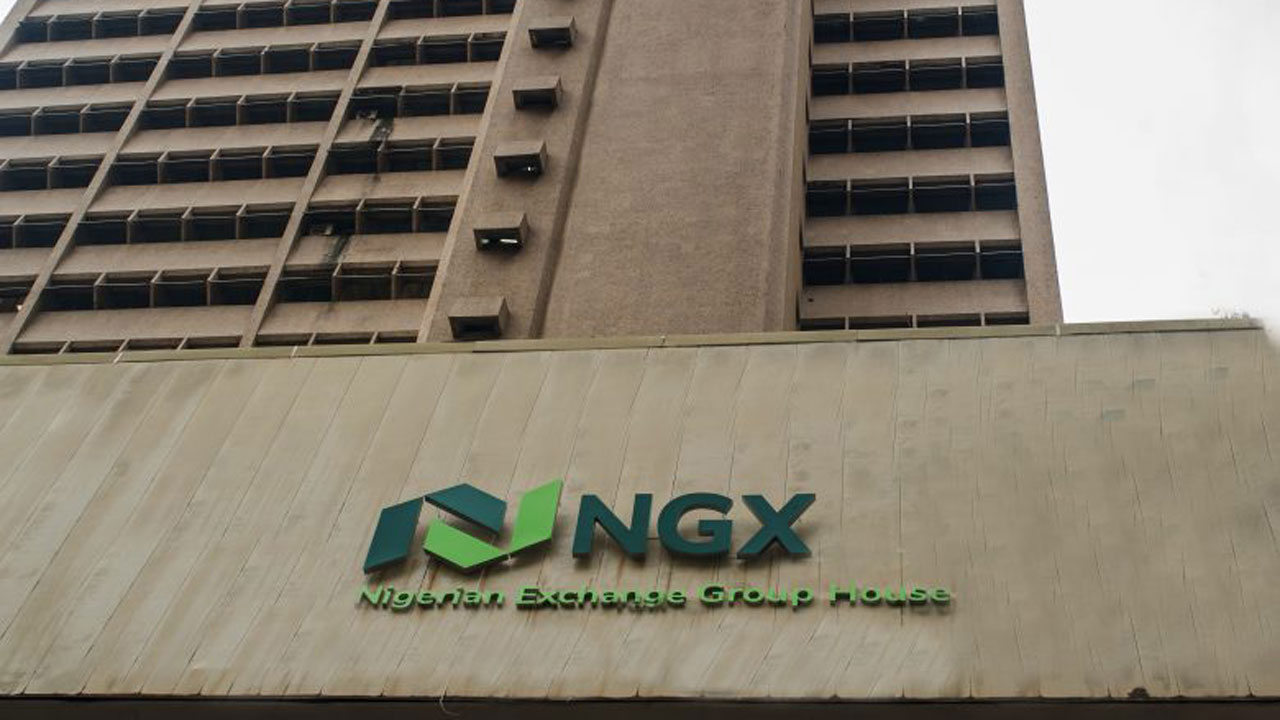
Between January and September 2021, the Nigerian Exchange Group (NGX) experienced a shortfall of foreign capital inflows, which fell by $4.08 billion.
As recorded by the National Bureau of Statistics (NBS), Foreign Portfolio Investment in the period under review, contributed the largest amount to capital inflows, accounting for $4.31 billion or 73.61% of the total capital importation, followed by ‘other investments’, which accounted for $1.33 billion or 22.73%; then the Foreign Direct Investment which accounted for 3.66% or $214.25 million.



)