






Key Points
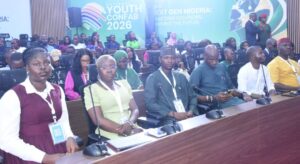
- The Federal Government has convened 360 delegates in Abuja for the physical phase of the 2026 National Youth Conference.
- The six-day conference aims to develop practical recommendations on youth participation in governance and national development.
- Discussions will cover employment, education, technology, security, entrepreneurship, climate change and national unity.
- The recommendations will be presented to President Bola Tinubu and other government leaders.
- More than 60 per cent of Nigeria’s population is below 30, highlighting the importance of youth inclusion in national decision-making.
Main Story
The Federal Government has brought together 360 young Nigerians in Abuja for the physical phase of the 2026 National Youth Conference, seeking to develop practical solutions to the country’s challenges and strengthen youth participation in governance.
The six-day conference is expected to turn ideas gathered during earlier virtual consultations into actionable recommendations that will guide government policies and programmes on youth development.
The Minister of Youth Development, Mr Ayodele Olawande, disclosed this on Wednesday, saying the physical gathering would provide delegates with an opportunity to examine critical national issues and agree on practical steps towards addressing them.
Held under the theme, “Next Gen Nigeria, Crafting Solutions, Owning the Future”, the physical conference follows a two-week virtual engagement that began on October 2. The consultations covered Nigeria’s six geopolitical zones, with all states represented.
According to Olawande, the virtual discussions generated several proposals covering leadership and governance, employment, economic opportunities, education, skills development, technology, innovation, climate change, peace, security and national unity.
He urged the delegates to build on these discussions by identifying the major challenges confronting young Nigerians and developing realistic action plans that can be implemented by relevant government institutions.
The minister said the recommendations would be presented to President Bola Tinubu and other government leaders, with the aim of influencing decisions across the executive, legislature and judiciary.
He emphasised that young people should have meaningful opportunities to participate in decisions that affect their education, employment, economic prospects and future.
Olawande also highlighted the Renewed Hope Agenda, which he said prioritised opportunities for young Nigerians through education, skills acquisition, entrepreneurship, technology, business support and job creation.
He encouraged participants to listen to different opinions, build partnerships and remain focused on finding solutions rather than allowing disagreements to prevent progress.
The minister further stressed that the conference must produce measurable outcomes, warning against allowing the gathering to end as another discussion without concrete commitments.
He explained that the 360 delegates were selected through a registration and screening process designed to promote transparency and ensure broad representation.
Participants include representatives of student organisations, youth groups, ethnic associations, civil society organisations and persons with disabilities.
He added that young Nigerians across the country had contributed to the virtual consultations, while those living in the diaspora were also given opportunities to participate online.
Olawande reminded delegates that their responsibility extended beyond the individuals physically present at the conference, noting that their recommendations could influence the lives of millions of young Nigerians.
The Issues
The conference comes at a time when many young Nigerians are demanding greater access to employment, quality education, economic opportunities and meaningful representation in government.
Despite their significant contribution to the country’s population, young people continue to face challenges such as unemployment, limited access to funding for businesses, inadequate skills development opportunities and barriers to participating in political and public decision-making.
These challenges have made youth development an important issue in conversations about Nigeria’s economic growth and long-term stability.
While successive governments have introduced different programmes to support young people, questions remain about the implementation, accessibility and long-term impact of such initiatives.
The National Youth Conference therefore presents an opportunity to examine these concerns and develop recommendations that address the realities facing young Nigerians.
However, the success of the gathering will depend largely on whether the proposals receive government attention, adequate funding and clear implementation plans.
What’s Being Said
Earlier, the Permanent Secretary of the Ministry of Youth Development, Dr Maryam Keshinro, commended delegates for their patience, commitment and contributions during the virtual consultations and physical screening process.
She described the conference as an inclusive platform where young Nigerians could express their aspirations, identify challenges and contribute ideas towards building a responsive national youth development agenda.
Keshinro noted that more than 60 per cent of Nigeria’s population was below the age of 30, describing young people as the country’s greatest assets.
She stressed that Nigeria needed to create more opportunities for decent employment, entrepreneurship, innovation, digital skills and leadership development to enable young people to contribute meaningfully to national progress.
The permanent secretary urged delegates to ensure that the six-day conference produced practical recommendations, stronger partnerships and measurable commitments.
She also highlighted the importance of promoting inclusion, national unity, accountability and active youth participation in governance.
Keshinro reaffirmed the ministry’s commitment to working with relevant stakeholders to translate the conference recommendations into meaningful outcomes.
What’s Next
Following the conclusion of the six-day physical engagement, delegates are expected to consolidate their discussions into recommendations for presentation to President Tinubu and other government leaders.
The proposals are expected to provide direction for future youth development policies and programmes, particularly in employment, education, entrepreneurship, technology and governance.
The Ministry of Youth Development will also need to work with relevant government institutions and stakeholders to identify implementation priorities and establish measurable commitments.
The extent to which the recommendations influence government decisions will be an important measure of the conference’s impact.
Bottom Line
Bringing 360 young Nigerians together to discuss the country’s future provides an opportunity to make youth participation more meaningful in national development.
However, the real test of the 2026 National Youth Conference will not be the number of delegates or the discussions held in Abuja. It will be whether their ideas translate into policies, opportunities and decisions that improve the lives of young Nigerians.
For millions of young people seeking employment, better education and a voice in governance, the outcome of the conference matters far beyond its six-day duration.