Keypoints
- Financial experts at the 2026 Global Trade Review West Africa in Lagos highlighted Nigeria’s exit from the FATF grey list as a major trade finance milestone.
- Recent macroeconomic reforms, including exchange rate liberalization, have improved investor confidence and sovereign credit ratings.
- Geopolitical tensions in the Strait of Hormuz are driving up commodity prices and disrupting regional supply chains.
- Corporate treasurers emphasized that currency stability is more vital for business planning than the specific exchange rate.
- Experts identified the Dangote Refinery as a critical asset for shifting Africa from a raw commodity exporter to a value-added manufacturer.
Main Story
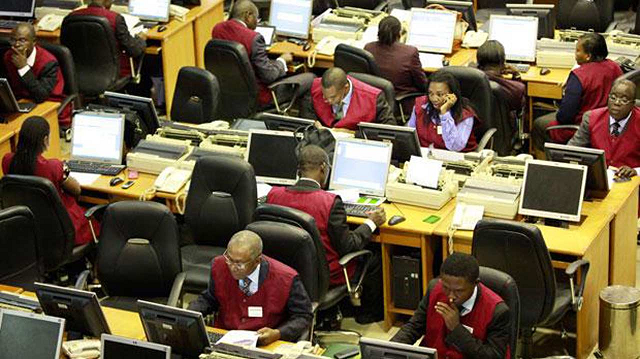
The 2026 Global Trade Review West Africa convened in Lagos on Wednesday against a backdrop of high-stakes global volatility.
Finance and trade experts warned that while Nigeria and its neighbors have shown remarkable resilience, the region remains acutely vulnerable to external shocks.
Dr. Tedd George of Kleos Advisory noted that current global uncertainty, fueled by disruptions in major maritime chokepoints now exceeds levels seen during the COVID-19 pandemic, directly impacting the cost of fuel, food, and fertilizer in Africa.
Despite these hurdles, the outlook for Nigeria has brightened due to sustained structural reforms. Energy finance expert Rolake Akinkugbe-Filani pointed out that Nigeria’s successful exit from the Financial Action Task Force (FATF) grey list has significantly lowered the cost of global trade transactions.
However, the panel cautioned that the region’s reliance on foreign portfolio investments remains a “double-edged sword,” as these funds can exit the market rapidly during periods of global panic. The consensus among leaders was clear: to build true resilience, West Africa must move away from exporting raw materials and embrace localized processing and manufacturing.
The Issues
The primary challenge is the commodity-dependency trap; as long as West African nations rely on importing finished goods like refined fuel and fertilizer, any spike in global shipping costs or oil prices will trigger domestic inflation. Authorities must solve the problem of logistics and regulatory bottlenecks, which currently make intra-African trade more expensive than trading with Europe or China.
Furthermore, there is a fiscal-pressure risk; experts warned that increased government spending could undermine the gains made through tighter monetary policies if fiscal discipline is not enforced. To succeed, the region must accelerate the implementation of the African Continental Free Trade Area (AfCFTA) by removing non-tariff barriers and harmonizing cross-border infrastructure.
What’s Being Said
- “Nigeria’s exit from the FATF grey list marks a major compliance milestone that can lower transaction costs and improve access to global trade finance,” stated Rolake Akinkugbe-Filani.
- Yinka Ogunnubi, President of the ACTN, emphasized that “stability is more important than the actual rate” for long-term corporate supply chain management.
What’s Next
- Nigeria and other West African leaders are expected to push for local currency trade settlements to reduce the region’s heavy reliance on the U.S. dollar.
- Following the sovereign rating upgrades, the Federal Government is likely to see increased foreign direct investment (FDI) in infrastructure and manufacturing.
- Further discussions on the AfCFTA implementation are anticipated later this year, focusing on digital payment systems to facilitate cross-border trade.
- Trade monitors will closely watch the Strait of Hormuz situation, as any further escalation could force a revision of regional growth projections for the second half of 2026.
Bottom Line
West Africa stands at a crossroads where policy stability meets global instability. While internal reforms have repaired Nigeria’s market credibility, the experts at GTR 2026 made it clear: the only permanent shield against global shocks is a diversified economy that processes its own resources.