





The United States and Nigeria are deepening collaboration to address Nigeria’s rising protein deficiency through expanded agricultural trade, with a focus on US soybean exports. At the “Nigeria: NOW” conference in Lagos, hosted by the US Soybean Export Council, key public and private sector stakeholders—including poultry producers, nutritionists, and agribusiness leaders—gathered to discuss practical solutions to Nigeria’s protein gap.
Acting US Consul General in Lagos, JoEllen Gorg, described the event as “a pivotal milestone in creating a pathway for mutual prosperity and shared economic success.” She noted that by addressing Nigeria’s protein needs and promoting best agricultural practices, the US Soy industry is helping build a resilient agricultural sector that supports long-term food security and economic stability in Nigeria.
Gorg reaffirmed the US Mission’s commitment to connecting US agribusinesses with Nigerian firms, stating, “This partnership is crucial in helping export-ready US companies build business relationships with Nigerian agribusinesses, training Nigerians in new agricultural practices, and promoting the use of US soy in Nigeria’s feed and food industries.”
The event drew notable Nigerian leaders, including former President Olusegun Obasanjo, Oyo State Governor Seyi Makinde, and Lagos State Commissioner for Agriculture and Food Systems, Abisola Olusanya, highlighting the significance of the US-Nigeria partnership in addressing nutrition challenges.
Data presented at the conference showed Nigeria’s average protein consumption at 45.4 grams per person daily, below the global average of 64 grams and the FAO’s recommended 60 grams. With a population of over 236 million, the gap underscores the need for targeted interventions.
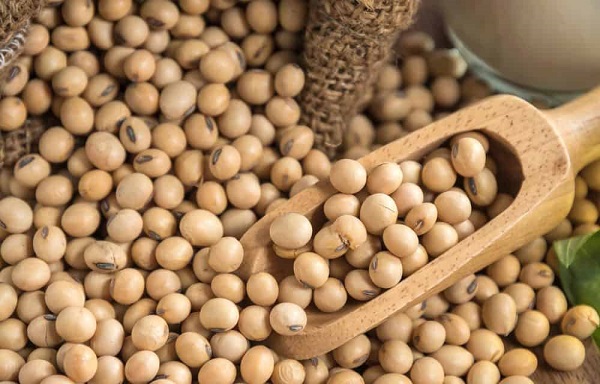
According to the USDA Foreign Agricultural Service, Nigeria’s 2023/24 soybean production was estimated at 1.15 million metric tons, falling short of domestic demand, particularly for animal feed. To address this, Nigeria resumed imports of US soybeans in 2024, bringing in 62,100 metric tons after a six-year break—a move stakeholders see as a promising step towards improving protein availability.
Jim Sutter, CEO of the US Soybean Export Council, emphasised the role of trade in supporting food security and economic growth, stating, “US Soy is at the forefront of collaborating with its partners as a reliable supplier.”
Robert Alpers, a generational US Soy farmer and United Soybean Board Director, highlighted the sustainability commitment of US farmers, saying, “We are committed to producing more using fewer resources while reducing our environmental footprint.”
The conference underscored that expanding targeted trade, strengthening trust, and exchanging knowledge between the US and Nigeria will help close the country’s nutrition gap while supporting food security and economic stability.