






By Boluwatife Oshadiya| April 10, 2026
Key Points
- US and Iran begin highest-level talks in years in Islamabad
- Pakistan brokers negotiations following two-week ceasefire agreement
- Disputes over nuclear policy, sanctions, and Strait of Hormuz remain unresolved
Main Story
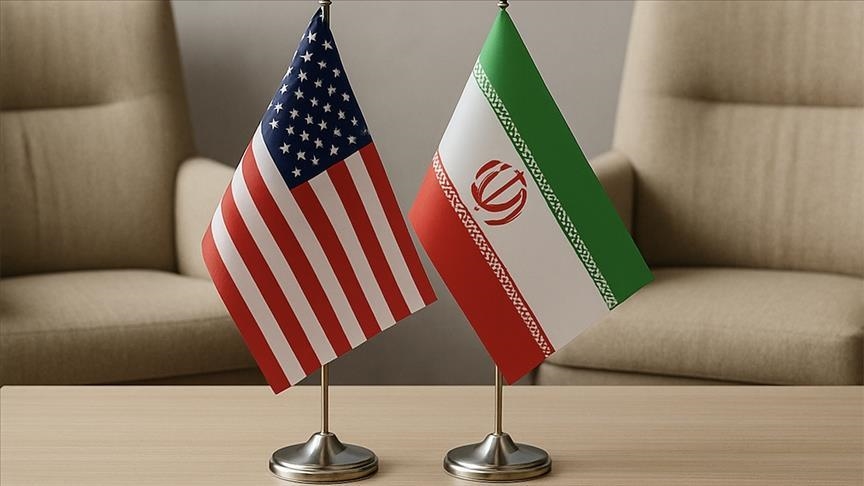
The United States and Iran have commenced high-stakes diplomatic talks in Islamabad, marking their most senior engagement in years, as both sides seek to transform a fragile ceasefire into a lasting resolution to a conflict that has rattled global energy markets.
The negotiations follow a two-week ceasefire agreement reached on April 8 and brokered by Pakistan, after weeks of hostilities that disrupted oil supply routes and heightened geopolitical tensions. The truce is scheduled to expire on April 22.
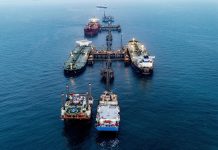
The conflict escalated after coordinated US and Israeli strikes on February 28 targeted Iran’s military and nuclear infrastructure, triggering retaliatory measures from Tehran, including the effective closure of the Strait of Hormuz — a critical global energy corridor.
Pakistan’s role as mediator has drawn global attention, leveraging its diplomatic ties with Washington, Tehran, and Beijing. Chinese intervention reportedly played a decisive role in securing Iran’s participation in ceasefire negotiations.
Talks are expected to be conducted indirectly, with delegations operating from separate rooms while Pakistani officials shuttle proposals between both sides.
Key sticking points remain substantial. Washington’s proposals reportedly focus on nuclear controls, missile limitations, and sanctions relief, while Iran is demanding greater control over maritime routes, an end to regional military actions, and full sanctions removal.
What’s Being Said
“Our hands remain on the trigger. Iran will never forsake its Lebanese brothers and sisters,” Iran’s President Masoud Pezeshkian said in a statement.
“There may have been a legitimate misunderstanding regarding the scope of the ceasefire,” US Vice President JD Vance said, referring to disputes over Lebanon’s inclusion.
“China’s intervention helped secure the preliminary ceasefire when negotiations were close to collapse,” a senior Pakistani official familiar with the talks said.
What’s Next
- Ceasefire deadline set for April 22, with talks expected to continue for up to 15 days
- Further negotiation rounds may determine reopening of the Strait of Hormuz
- Global markets will closely track outcomes for impact on oil prices and supply stability