






Key points
- The United States and Iran have released the text of an interim agreement aimed at ending their war.
- President Donald Trump warned that the U.S. could resume military action if Iran breaches the deal.
- The agreement extends an existing ceasefire by 60 days to allow negotiations on a permanent settlement.
- Iran will permit supervised down-blending of its enriched uranium stockpile and reaffirm its commitment not to build nuclear weapons.
- Oil prices initially fell on expectations of increased maritime traffic through the Strait of Hormuz.
Main Story
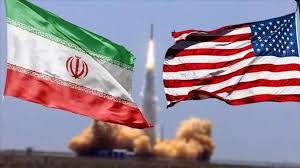
The United States and Iran on Wednesday released the text of an interim agreement signed by their presidents to end months of conflict, marking a significant diplomatic breakthrough while exposing continuing tensions between the two countries.
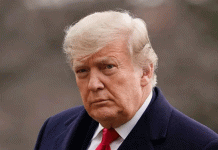
Despite endorsing the deal, U.S. President Donald Trump warned that military action could resume if Iran fails to honour its commitments.
Speaking during the G7 summit in France, Trump said the United States would respond forcefully to any breach of the agreement. The interim accord extends a ceasefire first announced in April by an additional 60 days, providing a window for negotiators to pursue a permanent peace settlement. Under the agreement, both countries committed to ending hostilities, restoring maritime traffic through the Strait of Hormuz, lifting restrictions on Iranian ports and unfreezing Iranian assets.
The memorandum also includes plans for a $300 billion investment fund to support Iran’s post-war reconstruction. Iran reaffirmed its longstanding position that it would not develop nuclear weapons and agreed to the supervised down-blending of its stockpile of enriched uranium under the oversight of the International Atomic Energy Agency. However, Iran rejected earlier U.S. proposals to remove the material from the country.
Iranian officials celebrated the agreement as a diplomatic victory, arguing that negotiations achieved more than military confrontation. The deal follows a conflict that began on Feb. 28 and expanded into a wider regional crisis involving Lebanon. The war reportedly resulted in thousands of deaths, disrupted energy markets and raised concerns over global food security.
Oil prices fell after news of the agreement and the expected reopening of the Strait of Hormuz, a critical route for global energy shipments. Prices later recovered some losses after Trump renewed threats of military action.The agreement received support from G7 leaders, although questions remain over its long-term durability and the prospects for a comprehensive peace settlement.
Meanwhile, clashes in southern Lebanon continued despite provisions in the memorandum calling for a cessation of hostilities involving Hezbollah and Israel.
The Issues
- Ensuring compliance with the interim U.S.-Iran agreement.
- The future of Iran’s nuclear programme and international monitoring efforts.
- Stability of global energy markets and maritime trade routes.
- Continuing violence in Lebanon despite ceasefire provisions.
- Prospects for a permanent peace agreement within the next 60 days.
What’s Being Said
- Donald Trump said: “We’re going to bomb the hell out of them if they violate the agreement.”
- He added: “I don’t want them to. I want them to honour the agreement.”
- Trump also said: “If I don’t like it, if they don’t behave, we’ll go right back to dropping bombs right smack in the middle of their head, OK?”
- Iran’s lead negotiator, Mohammad Qalibaf, said: “Everything we sought to achieve through military action, we obtained several times over through negotiation; it was not even comparable.”
- Trump said of Iran’s missile capabilities: “I’m saying that if other countries have them, it’s a little bit unfair for them not to have some.”
What’s Next
- U.S. and Iranian negotiators will continue talks over the next 60 days on a permanent truce.
- International observers will monitor implementation of the nuclear and ceasefire provisions.
- Markets will watch developments surrounding the Strait of Hormuz and regional stability.
- Diplomatic efforts are expected to continue amid ongoing tensions in Lebanon.
Bottom Line
The interim U.S.-Iran agreement has opened a pathway toward ending a costly regional conflict, but Trump’s warnings, unresolved security concerns and continued fighting in Lebanon highlight the fragile nature of the peace process.