



By Boluwatife Oshadiya | May 25, 2026
Key Points
- Donald Trump says the United States and Iran have “largely negotiated” a new agreement aimed at easing regional tensions
- The proposed arrangement could lead to the reopening of the Strait of Hormuz, a critical global oil shipping route
- Pakistan has confirmed its role as an intermediary in the ongoing negotiations between Washington and Tehran
Main Story
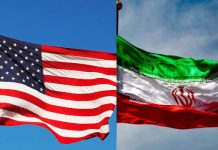
United States President Donald Trump has announced that Washington and Tehran are close to finalising a diplomatic agreement designed to reduce tensions in the Middle East, with talks now focused on concluding the remaining details of the deal.
In a statement posted on his social media platform, Trump disclosed that the proposed agreement would include the reopening of the Strait of Hormuz, one of the world’s most strategic oil transit routes. The waterway handles nearly one-fifth of global crude oil and liquefied natural gas shipments, making developments around the corridor highly significant for international energy markets.
The negotiations come after months of heightened geopolitical tensions involving Iran, Israel, and the United States, which escalated earlier this year following coordinated military strikes and retaliatory attacks across the region.
Trump stated that the agreement had been discussed during conversations with regional leaders, including Israeli Prime Minister Benjamin Netanyahu.
“An Agreement has been largely negotiated, subject to finalization between the United States of America, the Islamic Republic of Iran, and the various other countries,” Trump wrote.
According to officials familiar with the discussions, the talks have centred on reopening the Strait of Hormuz, easing sanctions imposed on Iran, and establishing safeguards around Tehran’s nuclear programme.
Pakistan’s Prime Minister Shehbaz Sharif confirmed Islamabad’s involvement in the diplomatic process, describing recent discussions with Trump as productive and constructive.
Iranian Foreign Ministry spokesman Esmail Baghaei also acknowledged progress in the negotiations, stating that Tehran was working on a “memorandum of understanding” structured around a proposed 14-point framework.
The latest diplomatic push follows reports that the US administration had recently considered another round of military strikes against Iran before negotiations regained momentum.
The Issues
The renewed negotiations underscore the fragile state of geopolitical stability in the Middle East and the extent to which global energy markets remain exposed to regional conflicts.
The temporary disruption of the Strait of Hormuz earlier this year intensified concerns among oil-importing nations, as crude prices surged amid fears of prolonged supply constraints. Analysts say any sustained closure of the route could significantly impact fuel prices, inflation levels, and shipping costs worldwide.
The talks also reflect continuing international concern over Iran’s nuclear ambitions. Washington has repeatedly insisted that any agreement must permanently prevent Tehran from acquiring nuclear weapons capability, while Iran has continued to demand sanctions relief as part of any long-term arrangement.
For global investors, the negotiations could influence oil price movements, energy security planning, and broader market sentiment across emerging economies heavily dependent on imported fuel.
What’s Being Said
“Final aspects and details of the Deal are currently being discussed, and will be announced shortly. In addition to many other elements of the Agreement, the Strait of Hormuz will be opened,” Trump said.
“We hope to host the next round of talks very soon,” Sharif stated in a post on X, while praising efforts to secure regional peace.
“The positions of both countries have moved closer in recent days, although significant disagreements still remain,” Baghaei said during an interview on Iranian state television.
Independent geopolitical analysts have also cautioned that while progress appears substantial, the negotiations remain highly sensitive due to longstanding distrust between both governments and the involvement of multiple regional stakeholders.
What’s Next
- Iranian officials are expected to finalise the proposed memorandum of understanding within the coming weeks
- Additional negotiations between the US, Iran, and regional mediators could take place within the next 30 to 60 days
- Energy markets will closely monitor any official announcement regarding the reopening timeline for the Strait of Hormuz
The Bottom Line:
The emerging US-Iran agreement represents a potentially major geopolitical shift with direct implications for global energy markets, regional security, and international trade flows. If finalised, the reopening of the Strait of Hormuz could help stabilise oil supply concerns and reduce pressure on already volatile global fuel prices.