

Keypoints
- Prime Minister Keir Starmer expressed frustration over the instability of UK energy bills, blaming the geopolitical actions of Donald Trump and Vladimir Putin.
- Speaking on the ITV News Talking Politics podcast, Starmer stated he is “fed up” with UK families and businesses being subject to price swings caused by foreign conflicts.
- The remarks come amid a fragile two week ceasefire in the 2026 US-Iran war, which has seen oil prices fluctuate as the Strait of Hormuz begins a slow reopening.
- Starmer also criticized Israel for continuing strikes on Lebanon, calling them “wrong” and a threat to the regional truce.
Main Story
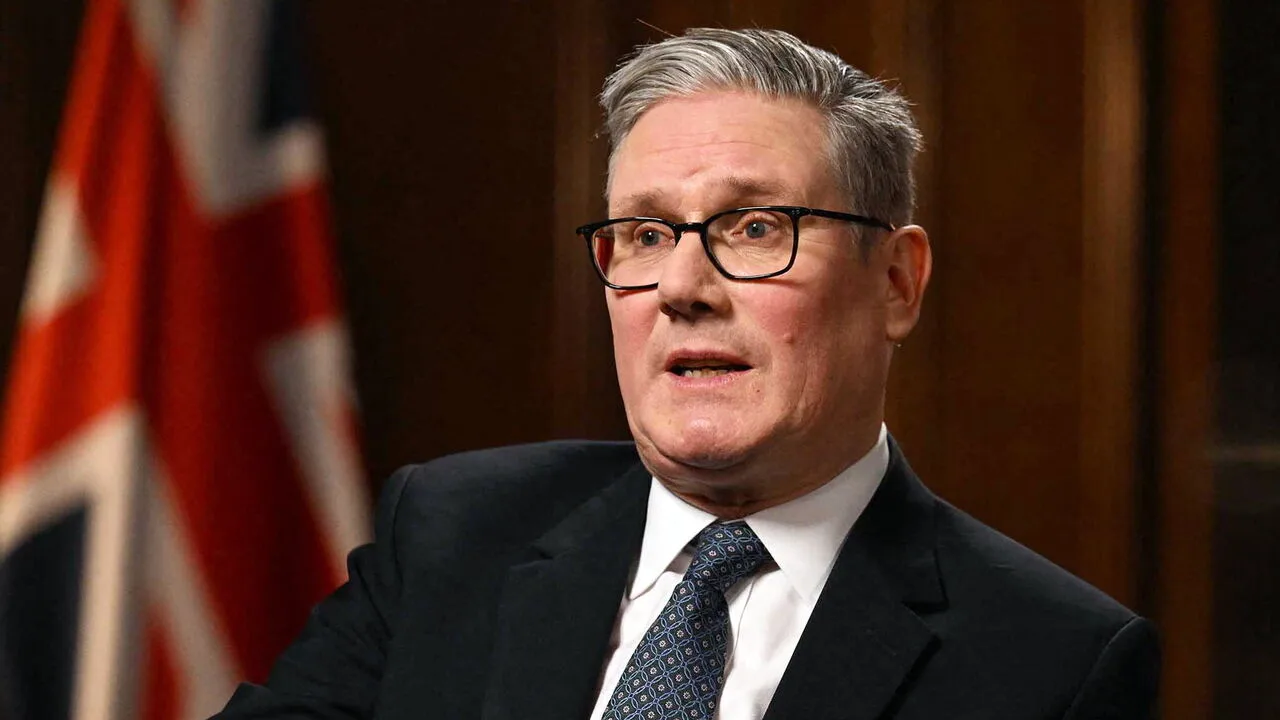
In a candid interview with Robert Peston on the Talking Politics podcast, Prime Minister Keir Starmer took aim at the “erratic” nature of global leadership, specifically citing the roles of the US and Russian presidents in driving up the cost of living in Britain.
Starmer argued that the UK’s energy security has become a hostage to international volatility, from the years-long war in Ukraine to the recent, explosive conflict between the US, Israel, and Iran. He insisted that his government’s focus remains on building a “resilient economy” that is less dependent on fossil fuel shocks triggered abroad.
The Prime Minister’s comments were particularly pointed regarding the current Middle East ceasefire, which was brokered on April 7, 2026.
While welcoming the pause in hostilities, Starmer voiced strong disapproval of Israel’s continued military operations in Lebanon, asserting that such actions are a “matter of principle” and should have been included in the truce.
This stance has added strain to the UK’s relationship with the Trump administration, which has defended the strikes as a necessary measure to ensure Iran “never possesses a nuclear weapon.”
The Issues
The primary challenge for the Starmer government is the limit of UK influence in a “winner-takes-all” geopolitical landscape. While the PM advocates for energy independence, the UK remains tethered to global oil benchmarks that have surged due to the blockade of the Strait of Hormuz. Starmer must solve the problem of domestic energy resilience while navigating a delicate diplomatic path; he has notably denied the US access to British bases for offensive strikes on Iran, reflecting a public opinion that is largely opposed to the conflict. However, this “strategic distance” risks isolating the UK from its most traditional ally as Trump pursues a “definitive agreement” in Islamabad.
What’s Being Said
- “I’m fed up with the fact that families across the country see their bills go up and down… because of the actions of Putin or Trump,” Sir Keir Starmer told ITV News.
- White House spokesperson Anna Kelly countered that Trump took “courageous action” where others only talked, referring to the high-stakes military pressure on Tehran.
- Iranian officials have accused the US of “violating the terms” of the ceasefire by allowing Israeli strikes to continue in Lebanon.
- Financial analysts note that while the Strait is technically “open,” insurance premiums for tankers remain at record highs, keeping energy costs inflated.
What’s Next
- Starmer is expected to host a 35-nation summit in London next week to discuss diplomatic measures for restoring safe navigation in the Gulf.
- The UK government will likely accelerate its Industrial and Child Poverty strategies as a defensive measure against future “global shocks.”
- High-level negotiations will continue in Islamabad, Pakistan, to determine if the current two-week ceasefire can be converted into a permanent peace treaty.
Bottom Line
For Keir Starmer, the 2026 energy crisis is a “line in the sand” that defines his leadership. His frustration with Trump and Putin signals a broader shift in UK foreign policy, moving away from default Atlanticism toward a more independent, security-focused stance in a “volatile and dangerous” world.