By Annette Ikponmwonba | October 13, 2026
Key Points
· At least three power plants, Alaoji 1, Ibom Power 1 and Rivers 1, generated no electricity in September, according to NERC data
· The grid recorded average available capacity of 5,038MW and average hourly generation of 4,089MW, a system-wide load factor of 81 per cent
· Compared with August, available capacity rose 5.89 per cent, but average generation fell 0.30 per cent and load factor dropped 5.04 per cent
· The grid operated outside prescribed frequency limits, with lower frequency at 49.43Hz and upper frequency at 50.69Hz
· Voltage also breached limits, with lower voltage at 304.90kV and upper voltage at 350.28kV
· Nigeria has about 13,000MW of installed capacity, but generation hovers between 4,000MW and 5,000MW
Main Story
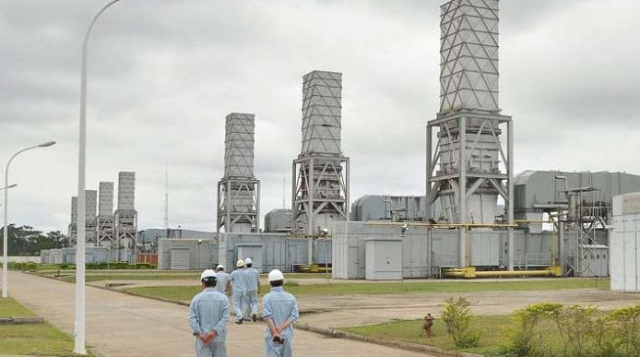
At least three power plants generated no electricity in September as Nigeria’s national grid continued to record frequency and voltage breaches, according to the latest data from the Nigerian Electricity Regulatory Commission. Alaoji 1, Ibom Power 1 and Rivers 1 recorded zero megawatts in average hourly generation and a load factor of zero per cent, with their available capacities also listed as zero.
The NERC factsheet showed the grid recorded an average available capacity of 5,038MW in September, while average hourly generation stood at 4,089MW, giving a system-wide load factor of 81 per cent. Compared with August 2026, available capacity increased by 5.89 per cent, but average hourly generation declined by 0.30 per cent and the load factor fell by 5.04 per cent.
Other plants operated at low levels. Afam 1 generated an average of 0.72MW from 1.33MW available, while Geregu 2 produced 1MW from 2MW available. Trans Amadi 1 and Dadin-Kowa 1 recorded load factors of 100 per cent or above after the system operator directed them to generate beyond their declared availability to support grid stability. Among larger plants, Kainji 1 recorded a 98 per cent load factor, Egbin 1 and Afam 2 each recorded 94 per cent, Ihovbor 2 achieved 91 per cent, and Zungeru 1 used 61 per cent of its capacity, generating 358MW out of 587MW.
The Issues
The data shows a grid that is not only underperforming but unstable. The average lower frequency of 49.43Hz fell below the prescribed minimum of 49.75Hz, while the average upper frequency of 50.69Hz exceeded the 50.25Hz maximum. Voltage was equally out of range, with the lower average of 304.90kV below the 313.50kV minimum and the upper average of 350.28kV above the 346.50kV ceiling. Persistent breaches like these raise the risk of disturbances and collapses.
The figures also show that more available capacity did not translate into more electricity. Available capacity rose from August, yet generation slipped, suggesting constraints beyond the plants themselves, There is also a wide gap between installed and usable capacity. Egbin, for example, has an installed capacity of 1,320MW but declared only 429MW in September and generated 402MW. With about 13,000MW installed nationwide and output stuck between 4,000MW and 5,000MW, much of the country’s generating potential remains idle.
What’s Being Said
The report is based on NERC’s factsheet on the operational performance of power plants, and the regulator’s data speaks plainly about uneven performance across the fleet. Some units ran close to or above their declared capacity, while others recorded low output or no available capacity at all.
The data also notes that Trans Amadi 1 and Dadin Kowa 1 exceeded their declared steady-state availability at the system operator’s direction to support grid stability, indicating the operator is leaning on certain plants to manage the strain, No comments from plant operators or government officials were included in the report.
What’s Next
Attention will turn to NERC’s October figures to see whether frequency and voltage deviations ease and whether the three idle plants return to service. Stakeholders are likely to press for explanations on why Alaoji 1, Ibom Power 1 and Rivers 1 declared zero capacity, The wider question is whether available capacity can be raised closer to installed capacity, and whether grid infrastructure can be strengthened enough to carry more generation without breaching operating limits.
Bottom Line
Nigeria’s grid ended September with idle plants, declining output despite higher availability, and frequency and voltage outside safe limits, underlining how far actual generation of 4,000MW to 5,000MW remains from the roughly 13,000MW of installed capacity.