








Home Blog Page 152

Banking Stocks Drive Intraday Rally On NGX As Index Climbs

Stocks

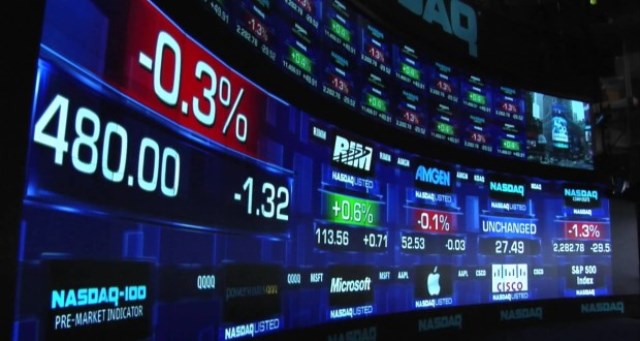
The Nigerian equities market extended its bullish run on Thursday, driven by strong investor interest in banking stocks and renewed appetite across key sectors. At midday, the NGX All-Share Index climbed 1.80% to 128,967.08 points, building on its recent breakout above critical psychological levels and pushing further into record territory.

The rally was underpinned by buying pressure in banking, industrial goods, ICT, and insurance stocks, with market breadth heavily tilted in favour of gainers. FirstHoldCo led banking sector advances, reflecting growing investor confidence in its corporate governance reforms and improving fundamentals, while ACCESSCORP and select tier-2 banks also saw notable gains.

Chams Plc topped the gainers’ chart with a significant percentage rise, fuelled by renewed interest linked to expectations around tech-enabled services in the public sector. Eunisell, ABCTRANS, Cornerstone, and CWG also recorded strong upward movements, driven by sector rotation strategies and positive sentiment ahead of the Q2 earnings season.

BUACEMENT continued to attract institutional flows, bolstering the industrial goods sector, while other notable gainers included E-Transact, Lasaco, NASCON, INTBREW, Mansard, and PZ, supported by dividend expectations, improved corporate disclosures, and a stable macroeconomic environment.

Sectoral Highlights:

  • Banking: Led by FirstHoldCo and ACCESSCORP, supported by increased institutional positioning.
  • Industrial Goods: BUACEMENT provided sector resilience amid continued investor demand.
  • Insurance: Lasaco and Cornerstone drove activity on improved confidence in the sector.
  • ICT & Fintech: Chams and E-Transact gained on growing interest in digital finance opportunities.

Laggards:
Despite the bullish tone, a few stocks in the healthcare, agriculture, and consumer goods sectors declined, with Mecure Pharmaceuticals and May & Baker among the top losers amid profit-taking and cost-side concerns. Other decliners included JohnHolt, FTNCOCOA, Neimeth, Vitafoam, and Coronation, reflecting technical corrections as investors reallocated funds into momentum-led sectors.

Market Outlook:
The prevailing sentiment points to a continued bullish trend into the close, barring late-session profit-taking in heavyweights. Institutional investors are expected to sustain positioning ahead of the Q2 earnings season, with banking and insurance sectors presenting stable mid-term prospects and tech and industrial stocks offering opportunities for momentum-driven traders.

The Nigerian stock market remains buoyant, supported by strong investor confidence, positive earnings expectations, and relative macroeconomic stability.


Senate Backs Trump’s Move To Cancel $9.4 Billion In Foreign Aid

WASHINGTON, DC - JULY 08: U.S. President Donald Trump (L) speaks during a Cabinet Meeting at the White House on July 08, 2025 in Washington, DC. Trump discussed a wide range of topics during the portion of the meeting that was open to members of the media. Also pictured is Secretary of Defense Pete Hegsety (R). Andrew Harnik/Getty Images/AFP (Photo by Andrew Harnik / GETTY IMAGES NORTH AMERICA / Getty Images via AFP)

The U.S. Senate has approved the White House’s request to cancel $9.4 billion in federal spending on foreign aid and funding for NPR and PBS, moving the proposal closer to becoming law. The measure passed late Wednesday in a 51-48 vote and now heads to the House of Representatives, which is expected to give final approval by July 18, according to CNN.

If the House passes the bill, it will go to President Donald Trump for his signature. The proposal stems from a June request by the White House to Congress to revoke previously approved spending, which the Department of Government Efficiency labelled as “wasteful.”

In early May, President Trump signed an executive order cutting federal funding for NPR and PBS, accusing the broadcasters of “biased reporting.” The move prompted a lawsuit on May 27 from NPR and several Colorado radio stations, who argued that the funding cuts were an attempt to undermine press freedom.

Thursday Chronicles: The Pressure To Blow Before 25

Welcome back to Thursday Chronicles, your weekly ticket to relatable chaos, unfiltered wisdom, and that kind of laugh that makes you hold your chest like you just climbed a bodiless okada. If you’re scrolling through this with your salary already crying on day 3, or you’ve just opened Instagram to see yet another 22-year-old buying a Benz, take a seat. This gist is for you.

There’s a strange clock ticking in the heads of young Nigerians. It starts around 19, gets louder at 21, and by 25, it’s screaming. It’s the pressure to blow, not spiritually, not with the wind, but financially, socially, visibly. If by 25 you haven’t “made it,” society starts treating you like expired milk.Somehow, blowing has become a race, and everybody is sprinting. The problem? Nobody knows where the finish line is, or who started the race.

You’re just there, trying to figure out your life, build your career, manage your mental health, and still find time to drink enough water, when suddenly, you’re told your mates are flying first class and launching skincare brands in Dubai.You open your phone and the pressure slaps you across the screen. One guy is 23 with a Range Rover. A girl is 22 and owns three apartments.

Somebody else your age just posted a “soft life” birthday shoot in Paris with a caption that says “God did.” And there you are, sitting in your self-contain, calculating how to make a loaf of bread last till Saturday.The craziest part? Most of these people are not even faking it. Some are truly doing well. But what they don’t show you is the part where they cried for five years, failed twice, or got lucky in a way that isn’t replicable. They just drop the highlight reel, and suddenly you’re asking yourself: “Am I normal?”And then, it gets worse.

Your parents start asking coded questions like:“This your friend that just bought car, what does he do again?”“You remember the Adeboye girl? She’s married now o. They say her husband is doing well.”Translation: Why are you not doing well yet?But what even is “well”? Social media has redefined it as anything flashy. If you’re not driving something, living in Lekki, or casually flying out of the country, you’ve not “arrived.”

Never mind that you’re working two jobs, helping your family, paying rent, learning new skills, and showing up for life every day. If it’s not giving luxury, it’s not considered success.That’s the danger of pressure. It makes you question real progress. It makes you feel like you’re doing nothing, when you’re actually doing the most. It makes you chase timelines that were never yours to begin with.

The truth is, success doesn’t follow one path. Some people blow at 19, some at 35, and some never even “blow” in the way the world defines it, but they live full, happy lives. There are late bloomers, slow starters, quiet growers, and people whose glory shows up just in time. The only crime is comparing your own pace to someone else’s Instagram update.

Also, let’s not ignore how this pressure is leading many into very questionable choices. People now live for aesthetics instead of reality. You’re renting a house you can’t afford, buying clothes you’ll return after a photo shoot, and borrowing money to look rich for people who won’t attend your wedding. All because you don’t want to look “left behind.”But guess what? Real life is not a sprint, it’s a marathon. And in this marathon, survival is part of success.

Every day you get up and try again, you’re winning. Every moment you choose growth over gimmicks, you’re doing fine. You don’t need to post it to prove it.You may not have blown yet, but you’re not behind. You’re building. You’re learning. You’re becoming. And one day, everything will align, not because you rushed, but because you stayed consistent, focused, and true to yourself.

It’s okay to want nice things. Dream big. Work hard. Manifest your goals. But never let anyone rush your journey. There is no prize for “richest under 25.” Life doesn’t end at 30. If your destiny says 38, let it breathe. No be everybody go trend at 22.

Thanks again for riding with me on Thursday Chronicles, the only place where we say the things that matter, and also make them sound funny.Whether you’ve blown, you’re about to blow, or you’re still trying to collect matches to start the fire, just know this: you’re not late. You’re right on time for your life.

See you again next Thursday — same time, same gist energy, same stubborn love for our unpredictable Nigerian reality. Until then, take your time, drink water, and tell pressure: “Not today.”

UK To Lower Voting Age To 16 In Landmark Electoral Reform

The British government announced on Thursday that it plans to allow 16- and 17-year-olds to vote in general elections, marking a landmark shift that would give the UK one of the world’s lowest voting ages.

The move fulfils a promise by the ruling Labour Party, which pledged to lower the voting age before coming to power last year. It is part of broader efforts to reform the democratic system amid concerns about declining voter turnout and public disengagement.

“This is about fairness,” Prime Minister Keir Starmer said. “If you’re old enough to work and pay taxes, you should have a say in how your money is spent and which direction the government takes.”

To implement the change, the government will introduce legislation in parliament, where it holds a strong majority.

Currently, only a handful of countries, including Austria, Argentina, Brazil, Ecuador, and Cuba, allow 16-year-olds to vote in national elections. Austria was the first EU country to lower its voting age to 16 in 2007.

Labour ministers say the change will modernise the UK’s democracy, align general elections with the voting age already used for elections to the devolved parliaments in Scotland and Wales, and help boost participation among young people.

Additional reforms under consideration include the introduction of automated voter registration, similar to systems in Australia and Canada, and allowing UK-issued bank cards as valid photo ID at polling stations. This follows concerns over a previous voter ID law introduced by the former Conservative government, which the Electoral Commission found prevented around 750,000 people from voting in last year’s election.

Harry Quilter-Pinner, executive director of the Institute for Public Policy Research, described the reforms as the most significant changes to the electoral system since 1969, when the voting age was lowered to 18. He noted that the combined changes could add 9.5 million people to the voter register.

“Our democracy is in crisis, and we risk reaching a tipping point where politics loses its legitimacy,” Quilter-Pinner warned, urging support for the reforms.

FG, AfDB Launch $263.8m Urban Infrastructure Project In Abia

The Federal Government, in partnership with the African Development Bank (AfDB), Islamic Development Bank, and Abia State Government, has launched a $263.8 million Integrated Infrastructure Development Project aimed at transforming urban infrastructure in the state.

According to the AfDB, the initiative seeks to modernize transport systems, strengthen erosion control, and improve waste management in the rapidly growing cities of Umuahia and Aba. The project is designed to promote inclusive, climate-resilient development while boosting economic productivity and public health.

The financing structure includes $115 million from the AfDB—comprising $100 million from its ADB window and $15 million from the Canada-AfDB Climate Fund—while the Islamic Development Bank is contributing $125 million. The Federal Government is providing counterpart funding of $23.8 million.

A key feature of the project is the rehabilitation of over 248 kilometers of urban roads, restoration of two major erosion sites, and the establishment of public-private partnerships to drive investment in solid waste management. It is expected to create more than 3,000 temporary jobs during construction, with 30 percent allocated to women, and about 1,000 permanent roles during operations—half of which will be reserved for young people through a state-led skills development program.

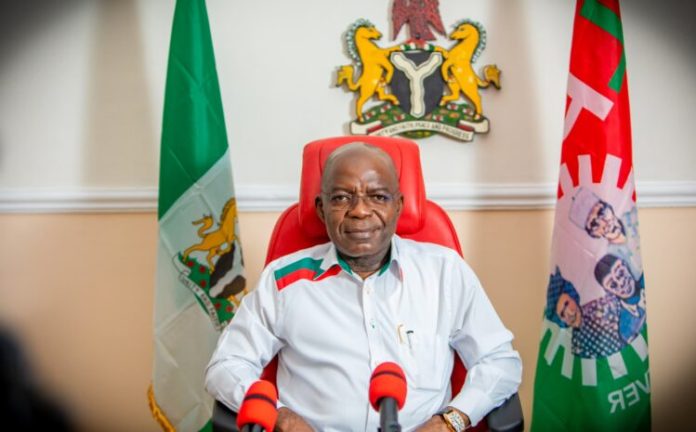
Abia State Governor, Alex Otti, described the initiative as a defining moment in the state’s infrastructure renewal agenda. “We are focused on raising living standards, improving access to education and healthcare, and driving economic growth. Investor confidence is growing, and Abia is emerging as a hub for opportunity and impact,” Otti said.

Dr Abdul Kamara, Director-General of AfDB’s Nigeria Country Department, emphasized that the project goes beyond physical infrastructure. “This is about improving lives—reducing travel time by half, enhancing incomes, expanding access to schools and hospitals, and creating space for entrepreneurs, especially women and youth, to thrive,” he noted.

The project also incorporates social and environmental safeguards, including training for women and youth entrepreneurs, HIV/AIDS awareness campaigns, resettlement support, and improved financial management systems.Dr Abdul Kamara, Director-General of AfDB’s Nigeria Country Department, emphasized that the project goes beyond physical infrastructure. “This is about improving lives—reducing travel time by half, enhancing incomes, expanding access to schools and hospitals, and creating space for entrepreneurs, especially women and youth, to thrive,” he noted.

The project also incorporates social and environmental safeguards, including training for women and youth entrepreneurs, HIV/AIDS awareness campaigns, resettlement support, and improved financial management systems.

Nigeria’s Eurobond Due November 2025 Hit By Sell-Off As Yield Outlook Shifts

DMO Set To Auction N150bn Bond On FG's Behalf

Nigeria’s Eurobond maturing in November 2025 came under heavy selling pressure on Wednesday, alongside other dollar-denominated sovereign papers, as foreign investors trimmed positions amid concerns over declining domestic yields and potential monetary policy shifts.

Despite improved macro indicators, including a drop in headline inflation to 22.22 percent, analysts warn that expectations of an eventual rate cut by the Central Bank of Nigeria (CBN) could dampen foreign appetite for naira assets. Elevated domestic yields have been a key magnet for offshore inflows, and any move away from a high-rate environment may trigger capital flight, putting fresh strain on the naira.

“The economy cannot afford a large-scale dollar outflow at this point, as it would be challenging for the local currency to withstand,” an investment expert cautioned.

The Eurobond market closed bearish, with pronounced sell pressure on the NOV-2025 paper driving yields higher. Average yield across Nigeria’s Eurobond curve jumped 13 basis points to 8.67 percent, according to Cowry Asset. The weakness was mirrored across several African Eurobonds as risk sentiment soured amid falling oil prices.

Money Market Rates Stay Elevated As Liquidity Gap Persists

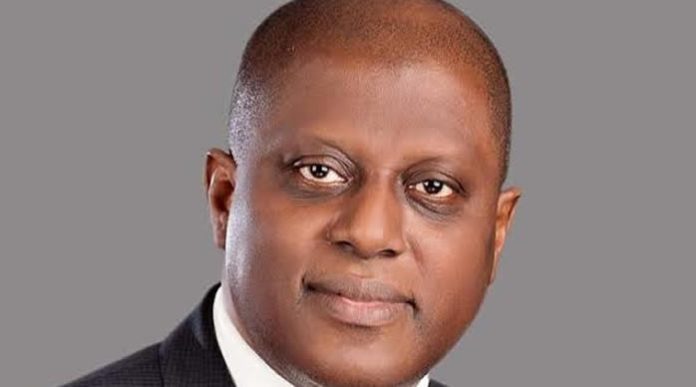
Olayemi Cardoso,

Short term funding costs remained under pressure in the Nigerian interbank market as system liquidity stayed in deficit, keeping benchmark overnight rates above the 32 percent handle despite only modest cash improvements. Data from FMDQ showed interbank funding quoted around 32.5 percent amid thin inflows.

AIICO Capital reported that the Overnight Policy Rate edged up by 8 bps to 32.25 percent, while the overnight lending rate eased by 9 bps to 32.58 percent, reflecting tight but choppy funding conditions.

System liquidity closed with a deficit of N247.53 billion, an improvement from N280.57 billion the previous day, as banks tapped the Central Bank standing lending facility to plug daily gaps. Funding stressed institutions continued to borrow, while cash rich tier one lenders demanded higher returns before releasing funds.

With no material inflows from maturing instruments and no primary market auctions so far this week, dealers expect liquidity to weaken again and the deficit to widen by the close of trade on Friday, keeping money market rates elevated.

Activity in Nigerian Treasury Bills remained muted. The NITTY curve posted mixed yield movements across the strip as investor interest stayed light and the market marked time. Average secondary market yield held broadly steady at 18.36 percent.

NERC Report Reveals Lapses In Safety Compliance

NERC Unveils App To Improve Electricity

At least 12 people lost their lives and 14 others sustained various degrees of injuries in electricity-related accidents across Nigeria in the first quarter of 2025, the Nigerian Electricity Regulatory Commission (NERC) has disclosed.

The fatalities, which occurred under the operations of various electricity distribution companies (DisCos), have been linked to non-compliance with safety guidelines, according to NERC’s Q1 2025 report released this week.

According to the Commission, a total of 31 health and safety incidents were recorded between January and March 2025, resulting in 12 deaths and 14 injuries. While the figures represent a significant drop compared to the previous quarter, the Commission expressed concern over the continued safety lapses within the electricity distribution sector. “The total number of accidents in 2025/Q1 was 31, which resulted in 14 injuries and 12 fatalities,” the report stated.

The Distribution companies that were implicated were, Enugu Electricity Distribution Company (EEDC) which was linked to four of the deaths, at the highest in the quarter. Jos DisCo followed with three fatalities, while Benin and Kano DisCos each recorded two deaths. Port Harcourt DisCo was associated with one fatality.

Additionally, Ibadan Electricity Distribution Company (IBEDC) was sanctioned in connection with the electrocution of Mr. Moshood Salami in Binukonu Community, Kwara State, in January. NERC stated that the incident occurred due to IBEDC’s “non-compliance with the NESI’s regulations, distribution code, and health and safety requirements.”

NERC identified the causes of accidents during the quarter as including Illegal and unauthorised access (4 dates), Unsafe acts or conditions (3 deaths), Vandalism (2 deaths), Fall from height (1 death) and others (unspecificed).

The Commission noted that, compared to the last quarter of 2024, there was a 42.59% drop in total accidents (from 54 to 31), while fatalities decreased by 53.85% (from 26 to 12). Injuries also saw a decline of 26.32% (from 19 to 14).

None of the generation companies recorded any casualties in the period under review. Among the DisCos, Aba Power, Kano, and Yola were the only companies with no reported casualties. However, Benin (six casualties), Eko (five), and Ibadan (five) DisCos accounted for the highest number of combined fatalities and injuries, representing 23.07%, 19.23%, and 19.23% of the total casualties respectively.

Reiterating its commitment to safety enforcement, NERC said it has launched investigations into all reported accidents and will take necessary regulatory actions. “The Commission continues to closely monitor the implementation of licensees’ accident reduction strategies for the Nigerian Electricity Supply Industry (NESI),” the report stated.

NERC emphasized that despite marginal improvements, DisCos remain responsible for 100% of recorded casualties in Q1 2025, a trend that continues from previous quarters where they accounted for 92.98% (Q2 2024), 93.33% (Q3 2024), and 100% (Q4 2024) of all casualties. The regulatory body then affirmed its intention to strengthen enforcement and oversight to improve safety conditions across the electricity distribution sector.

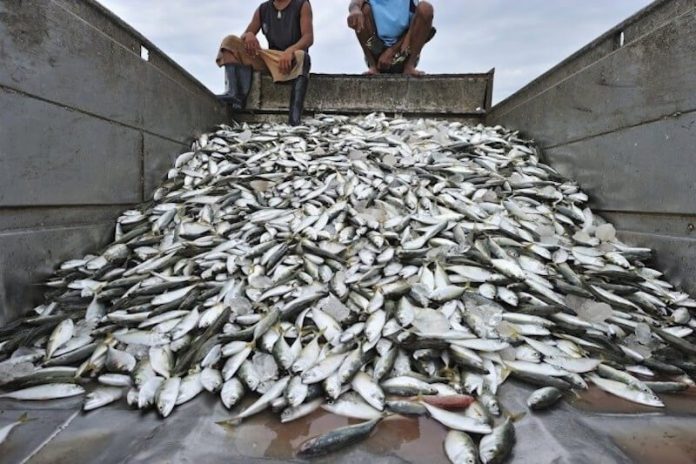
FG Cuts Importation, Unveils Plan To Boost Local Fish Production

The Federal Government has unveiled plans to end Nigeria’s dependence on fish importation by scaling up domestic production and empowering youth and women in the fisheries value chain through start-up grants and capacity-building initiatives.

Minister of Marine and Blue Economy, Adegboyega Oyetola, disclosed this on Wednesday in Abuja during a consultative meeting with fisheries cooperative groups. He said the government’s strategy aims to transform aquaculture into a major driver of food security, job creation, and export competitiveness.

“The Federal Government is fully committed to supporting the fisheries and aquaculture subsector through policy reforms, technical support, and financial inclusion. Our goal is to increase local production, reduce reliance on imports, and reposition the sector for sustainable growth,” Oyetola stated. He stressed that boosting youth participation in aquaculture would not only secure Nigeria’s food future but also reduce unemployment.

Oyetola announced ongoing talks with the World Bank for financial assistance and collaboration with the Nigerian Agricultural Insurance Corporation to provide affordable insurance for fish farmers. He also revealed plans to replicate the successful aquaculture model used at Oyan Dam across multiple regions in partnership with the Ministry of Water Resources.

“This meeting marks the beginning of a sustained and transformative dialogue. Integrated planning and inter-ministerial cooperation will form the backbone of our strategy,” he added.

Permanent Secretary of the ministry, Olufemi Oloruntola, assured stakeholders of government’s readiness to form strong partnerships with cooperatives to drive inclusive sectoral growth.

Earlier, the President of the Fisheries Cooperative Federation of Nigeria, Mashi Sani, proposed a Sustainable Livelihoods and Fish Food Security Initiative (SLESI) with a three-year N75 billion plan to create one million jobs, reduce post-harvest losses by 50 percent, and boost national fish output by 35 percent.

Sani stressed the sector’s critical role in food security and rural livelihoods but warned that challenges such as overfishing, poor infrastructure, lack of access to credit, and weak extension services threaten its growth. He called on the government to adopt the SLESI framework and address systemic bottlenecks including poor transportation, weak market linkages, and inadequate technical support.

Breaking News: Interswitch Named One Of CNBC And Statista’s World’s Top Fintech Companies 2025

In a year marked by intensified global scrutiny on performance, scale, and substance across the fintech sector, Interswitch, leading African integrated payments and digital commerce company, has earned a prominent place on the CNBC and Statista list of the World’s Top Fintech Companies, a distinction reserved for the most impactful and resilient players shaping the future of financial technology globally.

Published on CNBC’s global platform, the list spans payments, lending, insurtech, digital banking, and blockchain, among others.

Interswitch’s inclusion in the payments category places it among a select group of firms recognised for delivering meaningful innovation, maintaining system reliability, and demonstrating sustained impact in their markets.

The recognition reflects Interswitch’s deliberate and disciplined approach to building payment infrastructure that meets real economic needs. With its two-decade track record, the company continues to power critical financial services across public and private sectors, enabling individuals, businesses, and governments to transact with confidence across Nigeria and other African markets.

Commenting on the announcement, Interswitch Founder and Group Managing Director/CEO, Mitchell Elegbe, said:


 “Our focus has never been just about speed or scale for the sake of it. We’ve been intentional about building the systems and laying the rails that make payment and commerce work seamlessly. This recognition is timely, and it speaks to the work of every Interswitch stakeholder who has remained committed to our journey.”

From enabling government-led payment digitization to delivering secure contactless frameworks in transportation, and from expanding real-time lending rails to offering accessible APIs for developers and startups, Interswitch has maintained its role as a trusted infrastructure provider across industries.

Over the past year, the company has built infrastructure and platforms that have enabled the payment ecosystem across the continent. Its works also include deepened platform security, scaled onboarding for its cloud-native services, and reinforced its capacity to handle billions of transactions across switching, card services, and digital banking platforms with its flagship brands, Quickteller and Verve.

Cherry Eromosele, Executive Vice President, Group Marketing and Communications, added:


 “Interswitch has always been more than a product company, we design for longevity, for reliability, and for ecosystems. That’s what makes this recognition meaningful. It validates the philosophy behind how and why we build.”

The CNBC x Statista ranking is based on independent data, market performance, and expert evaluations across key metrics such as user growth, product innovation, and platform resilience. It places Interswitch among globally recognized fintechs who are actively shaping how money moves in today’s connected world.

At a time when digital payments are driving economic transformation, Interswitch remains focused on enabling Africa’s participation in the global economy, through partnerships, compliance, and the kind of infrastructure thinking that scales with the continent’s growing ambitions.

Naira Loses Ground To Dollar On Increased FX Pressure

Dollar To Naira Exchange Rate For 5th Dec 2023

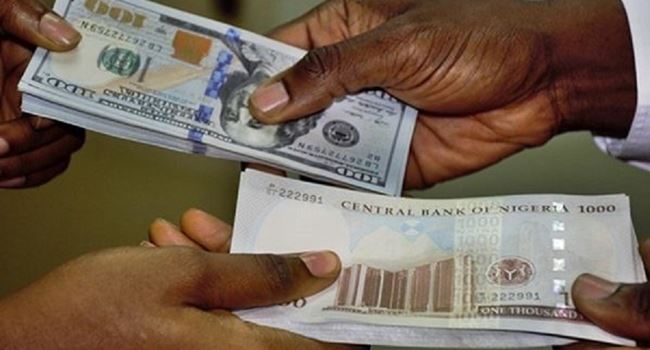
The naira fell at the official foreign exchange window as dollar demand swelled, closing spot at N1530.25 per United States dollar after swinging between N1527 and N1533 intraday, Central Bank data showed, underscoring sustained hard currency pressure.

Trading showed notable intraday movement. Deals printed as high as N1533 and briefly touched N1527 before the market settled at about N1531 at the close. The softer close underscores persistent pressure from importers and portfolio flows seeking hard currency.

The decline came even as Nigeria’s external reserves edged higher to 37.638 billion dollars at the start of the week on the back of fresh inflows. Reserve accretion has been supported by stronger crude oil receipts in recent months and a slowdown in direct Central Bank foreign exchange interventions.

Oil output provided additional backing for inflows. Nigerian Upstream Petroleum Regulatory Commission figures show crude production excluding condensates rose 3.6 percent to 1.51 million barrels per day in June from 1.45 million barrels per day in May, marking the first time in five months that the country met its OPEC quota. Output peaked at 1.54 million barrels per day in January. With condensates included, combined liquids production averaged 1.69 million barrels per day in June versus 1.65 million barrels per day in May.

Market watchers say the Central Bank’s strategy of scaling back intervention dollar sales to dealer banks in the second half of the year follows an estimated 4.7 billion dollars deployed in the first six months to cushion the currency during a period of pronounced foreign investor exits.

Even so, risks linger. Analysts warn that continued declines in yields on treasury bills, FGN bonds and open market operation bills could prompt renewed foreign portfolio exits, adding fresh pressure on the naira if the trend persists.

INEC Starts Voter Registration August 18 For 2027 Elections

The Independent National Electoral Commission (INEC) has announced that the Nationwide Continuous Voter Registration (CVR) exercise will commence ahead of the 2027 general elections.

According to an official notice from the commission, online pre-registration will open on August 18, 2025, via the dedicated portal http://cvr.inecnigeria.org.

In-person registration at INEC Local Government Area offices and other designated centres across the country will start on August 25, 2025, and will run from 9:00 a.m. to 3:00 p.m., Monday to Friday.

INEC urged all eligible Nigerians to take advantage of this opportunity, stressing that the right to vote begins with registration.

“Your vote starts with registration. Don’t miss your opportunity to register,” the commission said.

The electoral body also advised citizens to follow its official social media platforms for real-time updates on the process.

The CVR exercise is part of INEC’s commitment to promoting inclusiveness, transparency, and credibility in Nigeria’s electoral process.

The Fry Stand That Built Many Professionals In Nigeria

In the early hours of dawn, when the neighbourhood is still wrapped in sleep and the streets remain draped in silence, a different kind of alarm is set off in homes like those of Mama Ajoke in Akure, Hajia Fatima in Ankpa, or Mama Chidinma in Owerri.

Before the world wakes, these women are already awake, wrapped in their old wrappers, sleeves rolled high, flames dancing beneath giant frying pans. Their lives are not built on luxury but on labour, the kind that smells of hot oil and burnt fingers.

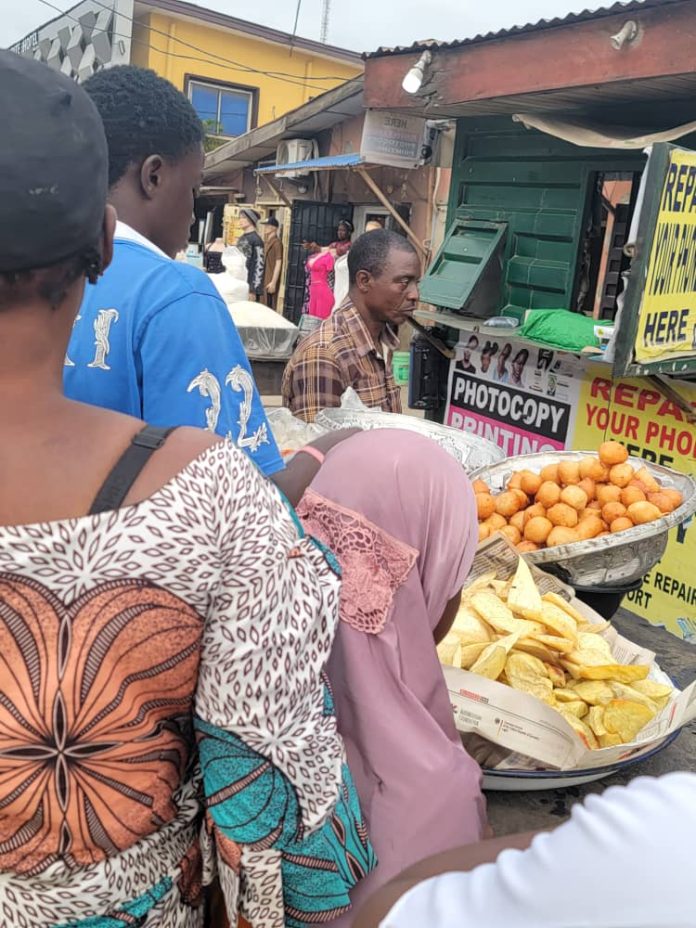
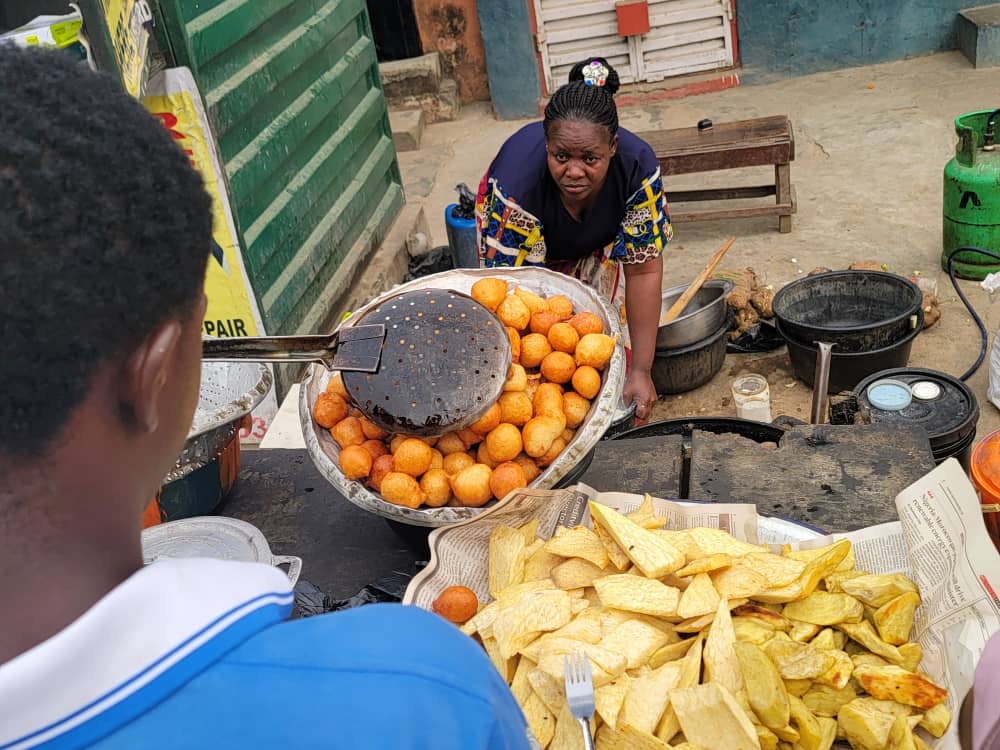
This is not the tale of a business empire but the fry stands scattered across Nigeria, humble kiosks that line school gates, motor parks, and street corners. These are the “stands of survival” where akara (bean cakes), puff-puff, yam, fish, and sometimes fried plantain become the currency of sustenance and progress.

A Source of Hope, Built on Fire and Sweat

For decades, thousands of Nigerian women, particularly from low-income backgrounds, have sustained their families through this small-scale, high-labour trade. For these women, frying isn’t just a means to an end; it is the very heartbeat of their daily existence. According to the National Bureau of Statistics (2022), over 68% of women in Nigeria’s informal sector are engaged in petty trading, with food vending ranking among the top three sources of income.

In Igala communities in Kogi State, the story is no different. The frying business, locally known as “iye akara, pai uchu” (frying bean cake and yam), has become both an economic engine and a legacy of motherhood. A 2023 community economic report in Igalamela/Odolu LGA revealed that nearly 1 in every 5 households depends on daily fried goods sold by women to pay for school fees, health care, and basic living.

Women like Mama Eleojo, who began her puff-puff stand in Anyigba before proceeding to Lagos due to her husband’s kind of job, stated that she began her business with just ₦3,000 in 2009, now sponsors two children in university. “I started with a basin, a small pan, and trust in God. Every day I wake up by 3:30 am. My reward is seeing my children wearing suits today,” she says, flipping a ball of puff as the oil crackles.

From Frying Pan to Future

The story of Nigerian professionals raised on “fry stand proceeds” is not a moonlight tale; it is a lived reality. Take, for instance, Blessing Ogwu, a chartered accountant from Dekina, who recounts how her mother’s akara business paid her way through secondary school and university.

“There were times I wanted to hide from friends because my school bag smelled like fried beans, but today, I wear that memory like a badge of honour. My mother, with her weather-beaten hands, fried my way into a profession.” She laughed.

Across the country, similar stories abound. A 2021 UN Women Report on Rural Women and Economic Empowerment highlighted that over 40% of educated Nigerian women from underserved regions were funded through informal female-led enterprises, including roadside food vending.

These fry stands have produced nurses, teachers, journalists, lawyers, engineers, and even entrepreneurs who have scaled the business into catering brands or fast-food outlets.

Heat, Hustle, and Heroism

Behind the smell of hot akara lies the deeper story of invisible labour. These women begin their days earlier than most and go to bed later. They often work without health insurance, social security, or even shade from the sun. Yet, they wake again the next day.

Rainy seasons don’t halt their hustle. They bend under umbrellas or nylon tents, their wrappers soaked, their faces streaked with smoke and sweat. When the economy tightens and food prices rise, as has been the case with inflation hitting 33.95% as of May 2025 (NBS), it is their portions that shrink, not their commitment.

And yet, society barely notices them. The local fry seller is often seen as a fixture rather than a figure, a shadow in the background of school mornings and church events. But perhaps it’s time to revise the narrative.

Celebrating the Fry Stand Legacy

The fry stand is not just a business; it is a movement. A quiet, unacknowledged women-led revolution that has raised generations of professionals. It is the story of resilience told in bean paste and bubbling oil.

For those of us who watched our mothers stretch every cup of flour or bean to cover both breakfast and school fees, we carry this legacy not with shame but with pride. It is a story of how poverty met dignity, and how hot oil met hard dreams.

Jobberman, Mastercard Foundation Expand Inclusive Employment Drive

Jobberman Nigeria, in partnership with the Mastercard Foundation, has trained over 2.4 million young Nigerians and facilitated more than 600,000 job placements since 2020, advancing inclusive employment opportunities across the country.

The initiative is part of the Young Africa Works strategy implemented by The African Talent Company, Jobberman’s parent firm. It targets youth from underserved communities, providing access to dignified and sustainable work. By leveraging a data-driven, community-based model and low-bandwidth digital solutions, the programme ensures that young people aged 18 to 35, especially those in disadvantaged areas, receive the training and job-matching support needed to enter the labour market.

As part of its latest push for inclusive employment, Jobberman convened the Technology and Employment Inclusion in Marginalised Contexts Roundtable in Abuja. The event brought together policymakers, civil society groups, tech platforms, and private sector leaders to address structural and digital barriers faced by women in disadvantaged communities, persons with disabilities, and internally displaced persons.

“Technology can and must be a force for inclusion, not division,” said Hilda Kabushenga, CEO of The African Talent Company. “As the world of work evolves, no one should be left behind.”

At the roundtable, Jobberman launched a report revealing that 72 percent of Nigerian employers make no effort toward inclusive hiring. Despite this, the report showed positive trends: 55 percent of persons with disabilities and 44 percent of displaced women surveyed had secured work, mainly through self-employment in creative media and agriculture.

“Inclusion is not a side conversation; it is the main agenda,” said Rosy Fynn, Country Director at Mastercard Foundation Nigeria. “We must design systems where marginalised groups are not just considered but centred.”

Recommendations from the roundtable will guide future strategies under Young Africa Works, shaping employer training, platform development, and inclusive hiring policies.

Building on five years of collaboration in Nigeria, Jobberman and Mastercard Foundation are extending the programme to other African markets through BrighterMonday Kenya and BrighterMonday Uganda. Recently, BrighterMonday Uganda hosted a career clinic themed Skills for Today: Empowering Uganda’s Youth to Take Control of Their Future, offering CV reviews, coaching, and digital skills training.

“This expansion reflects our belief that every young African, regardless of circumstance, deserves the opportunity to earn a dignified livelihood,” Kabushenga said. Axel Konjack, Head of Global Marketplaces at Ringier Group, added: “Africa is home to the world’s youngest and fastest-growing workforce. If we want a truly inclusive global economy, we must invest in equipping young Africans with skills, tools, and access to opportunities.”

With youth unemployment still a pressing challenge, the Jobberman–Mastercard partnership underscores the power of technology, employer engagement, and targeted programmes to create pathways to sustainable work across Africa.

FG Sets 8,500MW Electricity Target Within One Year

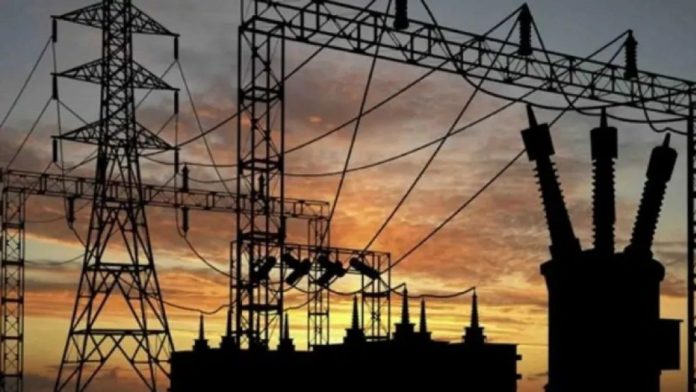
The Federal Government has set a target to increase Nigeria’s electricity supply from the current 5,500 megawatts to 8,500 megawatts within the next 12 to 18 months as part of efforts to stabilise and expand the nation’s power infrastructure. The Director-General of the Bureau of Public Enterprises, Ayodeji Gbeleyi, gave the charge on Wednesday in Abuja during a Senior Leadership Team Retreat for top management of the newly established Nigerian Independent System Operator (NISO).

Gbeleyi urged NISO to take the lead in enhancing grid management, system reliability, and operational efficiency to deliver on the target.

“The national broadcast of electricity today indicates generation revolves around 5,500MW. I sincerely hope that within the next 12 months, based on improved transmission grid efficiency, we will see generation capacity rise to around 7,500 to 8,500MW,” Gbeleyi said. “That’s the charge, and NISO is expected to play a strategic role in achieving this.”

He noted that the growth of the power sector depends heavily on a stable transmission backbone and a well-managed national grid, adding that enhanced coordination and investment in system operations are critical to meeting consumer demand and supporting industrial development.

Currently, Nigeria’s electricity supply industry records a daily wheeling capacity of 5,500MW, while the country’s installed generation capacity stands at over 14,000MW. Gbeleyi maintained that the 8,500MW target is achievable, projecting that the industry can scale up capacity by at least 50 per cent in the near term.

“It is not a tall order for us to believe that in the next 12 to 18 months, we can scale up capacity by a minimum of 50 per cent,” he added.

NISO Managing Director, Abdu Mohammed, affirmed the feasibility of the 8,500MW target, citing coordination efforts and plans to attract private sector investments as key enablers.

He noted that NISO expects to deliver a modern, stable, and reliable grid, disclosing that the government has awarded new contracts for the nationwide Supervisory Control and Data Acquisition (SCADA) system, with ongoing installations across northern and other regions. According to him, the SCADA system is expected to be fully operational by the end of next year.

In his remarks, NISO Board Chairman, Dr Adesesan Akin-Olugbade, described the retreat as marking not only a new administrative era for NISO but also a pivotal step in Nigeria’s journey towards a resilient, transparent, and efficient electricity market.

The two-day retreat was themed “Strategic Leadership for Grid Stability and Market Transformation in a Decentralised, Multi-Level NESI.”

PTML Customs Generates N204.7bn Revenue In H1 2025

The Ports & Terminal Multiservices Limited (PTML) Command of the Nigeria Customs Service collected N204.7bn in revenue in the first half of 2025, reflecting a 34.1 per cent increase compared to the N152.6bn recorded during the same period in 2024. This was disclosed in a statement on Wednesday by the Command’s Public Relations Officer, Abdullahi Abubakar, who noted that the N52bn increase underscores the Command’s commitment to revenue generation.

Commenting on the performance, the Customs Area Controller, Tenny Daniyan, said the Command had achieved over 90 per cent stakeholder utilisation and compliance on the B’Odogwu trade facilitation platform, despite initial challenges encountered during its rollout.

Daniyan revealed that since the launch of the B’Odogwu platform in November 2024, the Command has generated N301.8bn through the system. He added that the Command, which previously received cargo from Europe and America, has now commenced receiving shipments from the Far East and China.

The CAC affirmed that PTML maintains the fastest cargo clearance time in the country, achieving two-hour clearance in line with the Time Release Study, but emphasised that this benefit is available only for genuine declarations.

In the first six months of 2025, Daniyan reported that the Command received 52 vessels, processed 13,431 containers, and completed 30,400 assessments.

He noted that the Command, as the pilot area for the B’Odogwu platform rollout, has intensified stakeholder engagement through continuous training for officers and customs agents to ensure seamless system adoption.

“Despite the teething challenges, which we are addressing, we have recorded increased user acceptance, supported by sustained training and practical hands-on sessions. These sessions are ongoing to ensure all stakeholders are carried along,” Daniyan stated.

Describing the B’Odogwu platform as a “revolutionary, home-grown trade platform,” Daniyan said it has become an enduring legacy for trade facilitation and efficient revenue collection in the country.

Daniyan also congratulated the Comptroller-General of Customs, Adewale Adeniyi, on his emergence as Chairman of the Council of the World Customs Organisation, noting that the achievements of the Adeniyi-led NCS are gaining global recognition.

Nigeria Should Be Generating 60,000MW Of Power – Dangote

Aliko Dangote, President of the Dangote Group, has faulted Nigeria’s low power output, insisting the country should generate no less than 60,000 megawatts compared to the current 4,500 to 5,000 MW. Dangote made the comments while touring the Dangote Refinery in Lagos, noting that his group currently generates more than 1,500 megawatts for its operations. He said this demonstrates that large-scale power projects are possible in Nigeria.

“As a company, we are producing over 1,500 MW for our own consumption across the group. Nigeria should not be generating only about three times that amount. The country should be at 50,000 to 60,000 MW,” he stated.

Highlighting the refinery as an example of what is possible, Dangote argued that building the country’s power infrastructure would be easier than constructing the refinery, provided there is strong private sector participation.

“What we have done here is much more difficult than making Nigeria 25,000 or 30,000 megawatts of power with transmission and distribution. But it is not the work of government alone,” he stated.

Dangote urged wealthy Nigerians to stop taking capital abroad and instead invest in critical sectors like power, noting that the electricity sector has already been privatized.

“We should stop taking our money abroad and invest it here to develop our country and continent. If we do not show confidence in our own economy and leadership, foreigners will not come,” he said.

He linked capital flight to slow economic growth, condemning those who embezzle public funds and hide them abroad.

“There’s nowhere without corruption. Many countries have more corruption than us, but they are growing because stolen money is reinvested locally. Our challenge is that stolen funds leave the country and remain idle,” Dangote added.

He further revealed plans to scale up his fertilizer business, targeting an annual production capacity of 12 million tonnes within the next 40 months, a move that would make him the largest producer globally.

JAMB Discovers 9,460 Illegal Admissions Across 20 Tertiary Institutions

The Joint Admissions and Matriculation Board has uncovered no fewer than 9,469 illegal admissions across 20 tertiary institutions for the 2024 academic session. JAMB said the admissions were processed outside its Central Admission Processing System (CAPS), which is designed to ensure transparency and fairness in the nation’s tertiary admission process.

According to data obtained from the board, Kano State University of Science and Technology topped the list with 2,215 illegal admissions, followed by Ladoke Akintola University of Technology with 1,215 cases. Other institutions flagged include Gombe State University (1,164), Emmanuel Alayande University of Education (761), Federal University of Technology, Owerri (534), and Ambrose Alli University (514).

Additional institutions on the list include Igbinedion University (365), Akwa Ibom Polytechnic (340), College of Nursing, National Orthopedic Hospital, Igbobi (281), Achievers University (267), Nigeria Police Academy (263), Abia State Polytechnic (256), Osun State University (224), Federal University, Lafia (189), Niger State Polytechnic (182), Federal Polytechnic, Idah (171), Edo State Polytechnic (166), Anchor University (133), Michael and Cecilia Ibru University (116), and the Federal College of Animal Health and Production Technology (113).

CAPS, introduced by JAMB, centralises admission processes, allowing candidates to track their admission status while ensuring institutions adhere to merit-based selection.

The board has repeatedly warned institutions against offering admissions outside CAPS, noting that candidates admitted through such backdoor processes are ineligible for the National Youth Service Corps programme.

Speaking at JAMB’s 2025 policy meeting in Abuja last week, the Minister of Education, Dr Tunji Alausa, described admissions conducted outside JAMB as illegal, warning that institutions and individuals involved would face prosecution and sanctions.

“Any admission conducted outside CAPS, regardless of its intentions, is illegal,” the minister said. “Both institutions and the candidates involved will be held accountable, and sanctions may include withdrawal of institutional assets and prosecution of culpable officers or governing council members.”

Omisore Claims Governor Adeleke Is Desperate To Join APC

Osun State Ex-Deputy Gov. Iyiola Omisore Joins APC

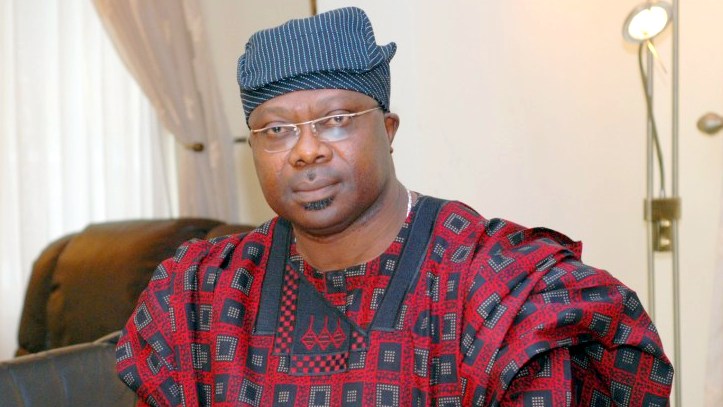
Former Deputy Governor of Osun State, Senator Iyiola Omisore, has described the incumbent governor, Ademola Adeleke, as “politically stranded,” alleging that the governor is making desperate moves to defect from the Peoples Democratic Party (PDP) to the All Progressives Congress (APC).

Omisore made the claim during an interview on Channels Television on Wednesday, amid growing speculation that Governor Adeleke is planning to abandon the PDP ahead of his re-election bid.

According to Omisore, the governor has been lobbying APC stakeholders including a southern governor, for support in joining the ruling party.

“For the past three years, he has been governing that state with no single person decamping from APC to PDP,” Omisore said. “Meanwhile, over one-seventh of PDP members have moved to APC. You know, of course, that Alhaji Isa Oyedokun, Dayo Babayemi, Hon. Wole Oke and others are still coming.”

The former senator accused Adeleke of “begging” to be admitted into the APC, describing his efforts as desperate and undignified.

“Why do you want to force yourself on the party? Why is the governor begging to enter the party? He is struggling, begging, and fighting to join APC,” Omisore added.

Governor Adeleke, currently in his first term, has faced mounting challenges within the PDP, with factional crises and defections weakening the party’s structure in Osun and across the country. Political analysts say this internal instability could jeopardize his chances in the 2026 gubernatorial election.

Recent reports have suggested that Adeleke has finalised plans to defect to the APC in a bid to secure re-election, with unconfirmed sources even claiming that President Bola Tinubu has endorsed his candidacy and promised to rally the Osun APC behind him.

Adeleke’s recent private meeting with President Tinubu in Lagos has only intensified the speculation, though no official confirmation has been made from either camp regarding a potential defection.

Dele Momodu, Former Presidental Aspirant Resigns From PDP

Dele Momodu
How Dreams Die So Fast in Nigeria

Veteran journalist and former presidential aspirant, Dele Momodu, has resigned from the Peoples Democratic Party (PDP), citing what he described as the party’s takeover by “antidemocratic forces.”

In a letter dated July 17, 2025, and addressed to the Chairman of PDP Ward 4 in Ihievbe, Owan East Local Government Area of Edo State, Momodu announced that his resignation takes “immediate effect.” He said his decision was made in a bid to uphold democratic values, which he believes have been eroded within the party.

“My reason is simple and straightforward. Our party has been unarguably hijacked by antidemocratic forces, from within and outside, in broad daylight,” Describing the current state of the PDP as a “carcass,” the media mogul accused key figures within the party of undermining internal democracy. He noted that it was only “honourable” for him to leave at this juncture.

“It is, therefore, honourable to abandon the carcass of the party to them while the majority of us earnestly sign up with the new coalition party known as the African Democratic Congress,” he added, hinting at his next political move.

Momodu, who vied for the PDP’s presidential ticket during the 2023 general elections, expressed appreciation to party members who supported him during his political journey within the PDP. “I will forever treasure the kind support you gave me at all times,”

His departure comes amid a broader wave of defections from the PDP in recent months, as party leaders and members raise concerns about imposition of candidates and diminishing internal democratic practices.

BizWatchNigeria.Ng
Privacy Overview

This website uses cookies so that we can provide you with the best user experience possible. Cookie information is stored in your browser and performs functions such as recognising you when you return to our website and helping our team to understand which sections of the website you find most interesting and useful.