By Boluwatife Oshadiya | August 28, 2026
Key Points
- Nigeria’s real GDP growth reached 3.89% in Q1 2026, up from 3.13% a year earlier
- Inflation fell to 15.43% in July from 24.94% a year earlier, according to the finance minister
- Government identifies agriculture, energy, manufacturing, mining and the digital economy as priority growth sectors
Main Story
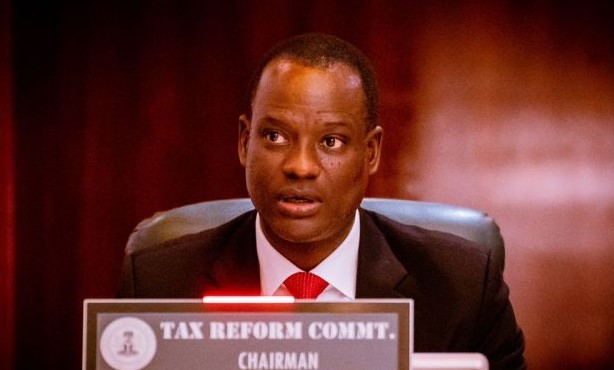
Nigeria’s economy has stabilised and could grow by more than 4% in 2026, Finance and Coordinating Minister of the Economy Taiwo Oyedele said on Thursday in Abuja.
Speaking after the 158th meeting of the National Economic Council (NEC), Oyedele said real Gross Domestic Product (GDP) growth increased to 3.89% in the first quarter of 2026 from 3.13% in the corresponding period of 2025.
He said headline inflation had also declined to 15.43% at the end of July from 24.94% a year earlier, while Nigeria’s trade surplus nearly doubled to N34.7 trillion in the first quarter of 2026 from N17.7 trillion recorded in 2025.
Oyedele put public debt at N159.28 trillion, equivalent to 13.7% of GDP, and said debt service as a share of revenue had fallen to below 60% in 2025 from almost 100% in 2022.
“Our real Gross Domestic Product growth rate was 3.89 per cent for Q1 of 2026, up from 3.13 per cent one year ago,” Taiwo Oyedele, Minister of Finance and Coordinating Minister of the Economy.
The minister also pointed to improved sovereign credit assessments, saying Fitch Ratings, Moody’s and S&P had upgraded Nigeria’s sovereign credit rating between April 2025 and May 2026. S&P upgraded Nigeria from B- to B with a stable outlook in May 2026.
He said Nigeria’s exit from the Financial Action Task Force (FATF) grey list in October 2025 and the European Union’s anti-money laundering and counter-terrorist financing deficiency list in January 2026 should reduce friction around cross-border capital flows.
What’s Being Said
“Nigeria’s economy has stabilised, and the task ahead of us now is to convert stability to shared prosperity.” Taiwo Oyedele, Minister of Finance and Coordinating Minister of the Economy.
Oyedele said the government’s focus must now shift from stabilisation towards stronger, job-rich growth that improves living standards and reduces inequality.
What’s Next
NEC has identified agriculture, energy, manufacturing, mining and the digital economy as priority sectors for accelerated development.
The government will also need to manage food inflation, geopolitical and commodity-price shocks, foreign-exchange vulnerabilities and fiscal pressures associated with the election cycle, according to Oyedele.
Bottom Line
The Bottom Line: Nigeria’s latest macroeconomic indicators point to improved stability, but the government’s bigger test is converting that stability into stronger employment, lower poverty and broader household prosperity. The next phase of the reform programme will therefore be judged less by headline indicators and more by how widely the gains are felt.