






KEY POINTS
- West Texas Intermediate crude fell towards $102 a barrel after gaining almost 3 per cent in the previous session.
- Brent crude closed near $115 a barrel as traders monitored diplomatic efforts to prevent renewed US military strikes on Iran.
- US President Donald Trump said negotiations were taking place through mediators but expressed uncertainty about their outcome.
- Brent has gained 11 per cent this month, increasing pressure on consumers and complicating efforts to control inflation.
- The prospect of renewed military action remains a risk as the US approaches its November 3 midterm elections.
MAIN STORY
Oil prices fell as traders assessed fresh diplomatic efforts to prevent a resumption of US military strikes on Iran, weighing the possibility that negotiations could ease tensions in the Middle East.
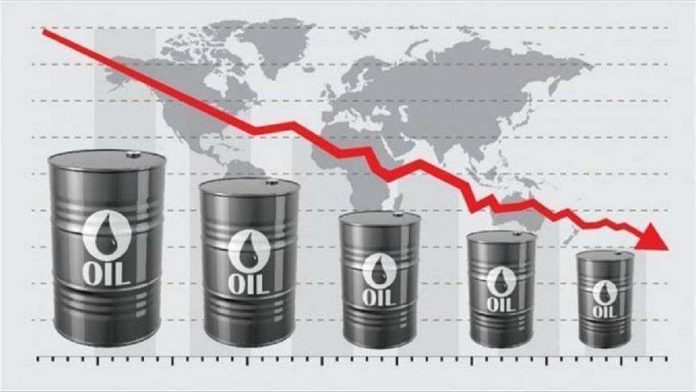
West Texas Intermediate (WTI) crude fell towards $102 a barrel after rising almost 3 per cent in the previous session, while Brent crude closed near $115 a barrel.
Iranian Foreign Minister Abbas Araghchi said Tehran continued to give diplomacy a chance. The Wall Street Journal also reported that US Vice President JD Vance had contacted Mohsen Rezaei, secretary of Iran’s top security body, as efforts to pursue negotiations continued.
US President Donald Trump told Axios on Wednesday that talks were taking place through mediators, although he was uncertain whether they would succeed.
“We need to finish the job, either through a deal or another way. We will find out if negotiations can succeed,” Trump was quoted as saying.
Despite the latest price decline, Brent has risen by 11 per cent this month, reaching its highest level since April as the conflict continued. The rally has increased pressure on consumers and created another challenge for central banks seeking to contain inflation.
The US Federal Reserve kept its policy unchanged this week, but traders expect policymakers to resume tightening in December. The prospect of higher interest rates reflects concerns about inflationary pressures, including those associated with rising energy costs.
The geopolitical situation also carries political implications in the United States. American voters are due to participate in midterm elections on November 3, amid signs of weakening support for Republicans.
Trump has repeatedly indicated that he could resume military operations against Tehran after the elections, potentially in coordination with Israeli forces. The possibility of renewed attacks remains a source of uncertainty for oil traders because escalation could disrupt supply expectations and push prices higher.
Meanwhile, Israel’s political situation remains unsettled following a closely contested election. Prime Minister Benjamin Netanyahu edged ahead of opposition leader Gadi Eisenkot, but neither had a clear route to forming a government.
Israeli President Isaac Herzog is expected to decide in the coming days who will receive the opportunity to assemble a governing coalition.
THE ISSUES
Oil prices are responding to two competing possibilities: diplomatic progress that could reduce the risk of further conflict, and renewed military action that could intensify uncertainty over crude supplies.
The latest decline does not necessarily mean the underlying supply risks have disappeared. Traders are adjusting prices as new information emerges, and any breakdown in negotiations or escalation of military activity could reverse the movement.
For consumers, sustained high oil prices can feed into transport, electricity generation and production costs. In Nigeria, where businesses and households rely heavily on petrol and diesel for transportation and backup power, prolonged increases in international crude prices could add to operating expenses. The effect on domestic fuel prices would also depend on exchange rates, refining and distribution costs, and local market conditions.
Higher energy costs can also make inflation harder to control. If fuel and transport expenses rise, businesses may pass some of the additional costs to consumers. Central banks then face a difficult choice between containing inflation and avoiding excessive pressure on economic activity.
For oil-producing countries, higher crude prices can potentially increase export earnings and government revenue. However, those gains can be offset by higher domestic energy costs and wider economic pressures. The direction of prices will depend partly on whether diplomatic efforts reduce the risk of further conflict.
WHAT’S BEING SAID
“We need to finish the job, either through a deal or another way. We will find out if negotiations can succeed.” – Donald Trump, President of the United States, as quoted by Axios.
WHAT’S NEXT
Traders will continue to monitor contacts between US and Iranian officials for signs that negotiations are progressing or breaking down. Any indication of renewed military action could quickly alter market expectations.
The approach of the US midterm elections adds another political factor to the outlook, given Trump’s signals about the possibility of further strikes after voting.
Developments in Israel’s coalition negotiations will also remain relevant to regional political uncertainty. For oil markets, the key question is whether diplomatic efforts can reduce the risk of escalation enough to ease the pressure on crude prices.
BOTTOM LINE
Oil prices have retreated as traders weigh diplomatic efforts against the possibility of renewed US military action against Iran. With Brent still sharply higher this month, the outcome of negotiations could influence energy costs, inflation and market expectations in the weeks ahead.
Source: Bloomberg