




By Boluwatife Oshadiya | April 3, 2026
Key Points
- Brent crude rises to $107.96 per barrel amid geopolitical tensions
- Strait of Hormuz disruption raises global supply concerns
- Escalating US-Iran conflict fuels market volatility
Main Story
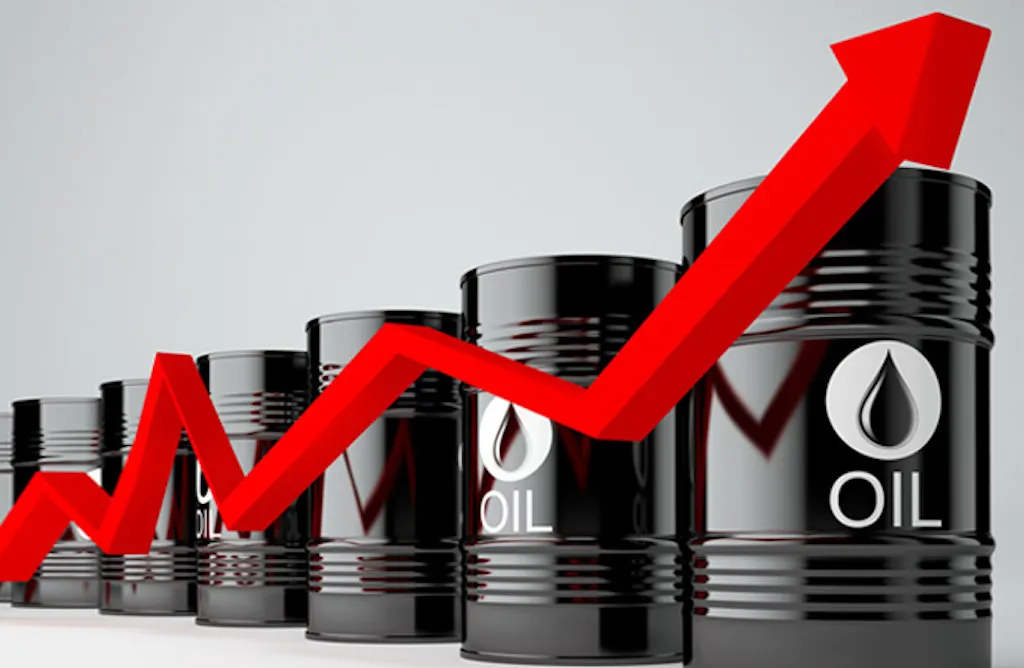
Global oil prices surged by nearly seven percent on Thursday, driven by escalating geopolitical tensions in the Middle East that have heightened fears of supply disruptions.
Brent crude futures climbed to $107.96 per barrel, while West Texas Intermediate (WTI) rose to $106.43, as markets reacted sharply to renewed hostilities involving the United States, Israel, and Iran.
The price rally follows intensified military exchanges that began in late February, including coordinated strikes on Iranian targets and subsequent retaliatory actions by Tehran. Analysts say the situation has significantly disrupted shipping activity through the Strait of Hormuz, a critical chokepoint that accounts for roughly 20% of global oil supply.
Investor sentiment shifted rapidly during Thursday’s session, reversing earlier losses as traders priced in the risk of prolonged instability. The lack of clarity around diplomatic resolutions and continued military escalation has further amplified volatility in energy markets.
“Any sustained disruption in the Strait of Hormuz has immediate implications for global oil supply, and markets are reacting accordingly,” said an energy analyst at a London-based commodities firm.
What’s Being Said
“We are approaching a critical threshold where geopolitical risk is directly influencing oil pricing fundamentals,” the analyst noted.
“Until there is clarity on de-escalation, price swings are likely to remain elevated,” he added.
What’s Next
- Markets will track developments in the Strait of Hormuz and regional military activity
- Diplomatic negotiations between the US and Iran remain a key variable
- OPEC+ response could shape medium-term supply dynamics
Bottom Line
The Bottom Line: Oil markets are now firmly driven by geopolitical risk, and unless tensions ease quickly, sustained price volatility could trigger broader global economic consequences, including inflationary pressures.