





KEY POINTS
- Nvidia’s board has unanimously rejected calls for former CEO Jensen Huang to return.
- Huang says he would be honoured to resume leadership but has pledged to cooperate with an independent investigation.
- The US Securities and Exchange Commission is reportedly investigating whether Nvidia misled investors through its disclosures.
- Nvidia shares rose 4 per cent in after-hours trading following strong quarterly results and an upbeat revenue forecast.
MAIN STORY
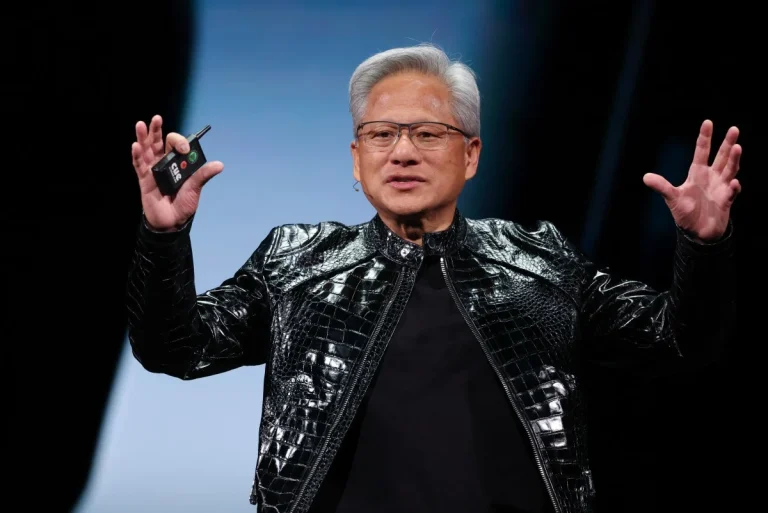
Nvidia’s board has ruled out reinstating Jensen Huang as chief executive, rejecting a growing campaign by employees, investors and technology executives calling for his return following his resignation last week.
Board Chairman Harvey Jones said Huang had left voluntarily after disclosing personal conduct that the company considered inconsistent with its code of conduct and workplace standards.
He said the board unanimously accepted the resignation and had no intention of reinstating the former chief executive.
Huang said on Tuesday that he would be honoured to return if the board considered it the best option. He also acknowledged that his departure had created difficulties for the company and pledged to cooperate with an independent investigation.
The former chief executive’s departure has triggered a campaign by supporters, including employees, investors and prominent technology executives, to have him reinstated. US President Donald Trump has also expressed support for Huang.
The leadership dispute comes as Nvidia faces further scrutiny over its corporate disclosures. The Wall Street Journal reported that the US Securities and Exchange Commission (SEC) was investigating the company over whether its disclosures had misled investors.
The full scope of the reported investigation was unclear. Nvidia did not immediately respond to a request for comment, while the SEC declined to comment.
The controversy has also drawn attention to Huang’s personal relationships, including his reported relationship with Chinese businesswoman Alice Huang. Reuters reported that US intelligence agencies were examining her alleged links to China’s Ministry of State Security and whether information had been passed to Beijing. Those allegations have not been independently established.
The developments have intensified debate in Washington over US technology exports to China, particularly advanced artificial intelligence chips. Huang had supported greater exports, while some lawmakers and administration officials have called for tighter restrictions.
Despite the leadership uncertainty, Nvidia reported quarterly sales that exceeded Wall Street expectations for the 17th consecutive quarter and projected fourth-quarter revenue of about $130bn.
Its shares rose 4 per cent in after-hours trading following the earnings announcement and the board’s comments.
Nvidia also announced a board committee to oversee national security and export control issues. The committee will be chaired by director Suzanne Nora Johnson, a former Goldman Sachs vice-chair.
Huang retains significant influence through his ownership of approximately 3.5 per cent of Nvidia. Company filings indicate that his shareholding allows him to nominate two directors to the board.
THE ISSUES
The leadership dispute matters because Nvidia is central to the global artificial intelligence industry. Its chips power AI systems and data centres, while its investments and partnerships connect it to other companies involved in building AI infrastructure.
Uncertainty over the company’s leadership can therefore affect investor confidence beyond Nvidia itself. However, the company’s latest earnings and revenue forecast suggest that its business performance remains strong despite the controversy.
The reported SEC investigation presents a separate corporate governance concern. The key question is whether Nvidia provided investors with accurate and complete information. The existence of an investigation does not establish that the company misled investors or committed a violation.
The dispute also has implications for US technology policy. Nvidia’s business depends partly on access to international markets, including China, while Washington is weighing national security concerns against the commercial interests of American technology companies.
The board’s decision to establish an export control and national security committee signals that these issues will receive greater oversight as the company manages the fallout from Huang’s departure.
WHAT’S BEING SAID
“The Nvidia board unanimously accepted his resignation and does not intend to reinstate Jensen as CEO.” – Harvey Jones, Nvidia board chairman.
“Since my departure, I’ve seen an outpouring of calls from Nvidia’s employees, investors, business partners, and customers for me to return as CEO.” – Jensen Huang, former Nvidia chief executive.
WHAT’S NEXT
Nvidia will have to proceed with its leadership transition while addressing questions surrounding its corporate governance and reported regulatory scrutiny.
The board’s independent investigation and the reported SEC probe could determine how the controversy develops. The company will also need to maintain investor confidence as it pursues its ambitious revenue targets.
BOTTOM LINE
Nvidia’s board has made clear that Huang will not return as chief executive, despite pressure from supporters. The company’s strong financial performance has provided some reassurance to investors, but questions about corporate governance, regulatory scrutiny and US-China technology policy remain.
Reuters